
We-Nature
by S.C.Cullen
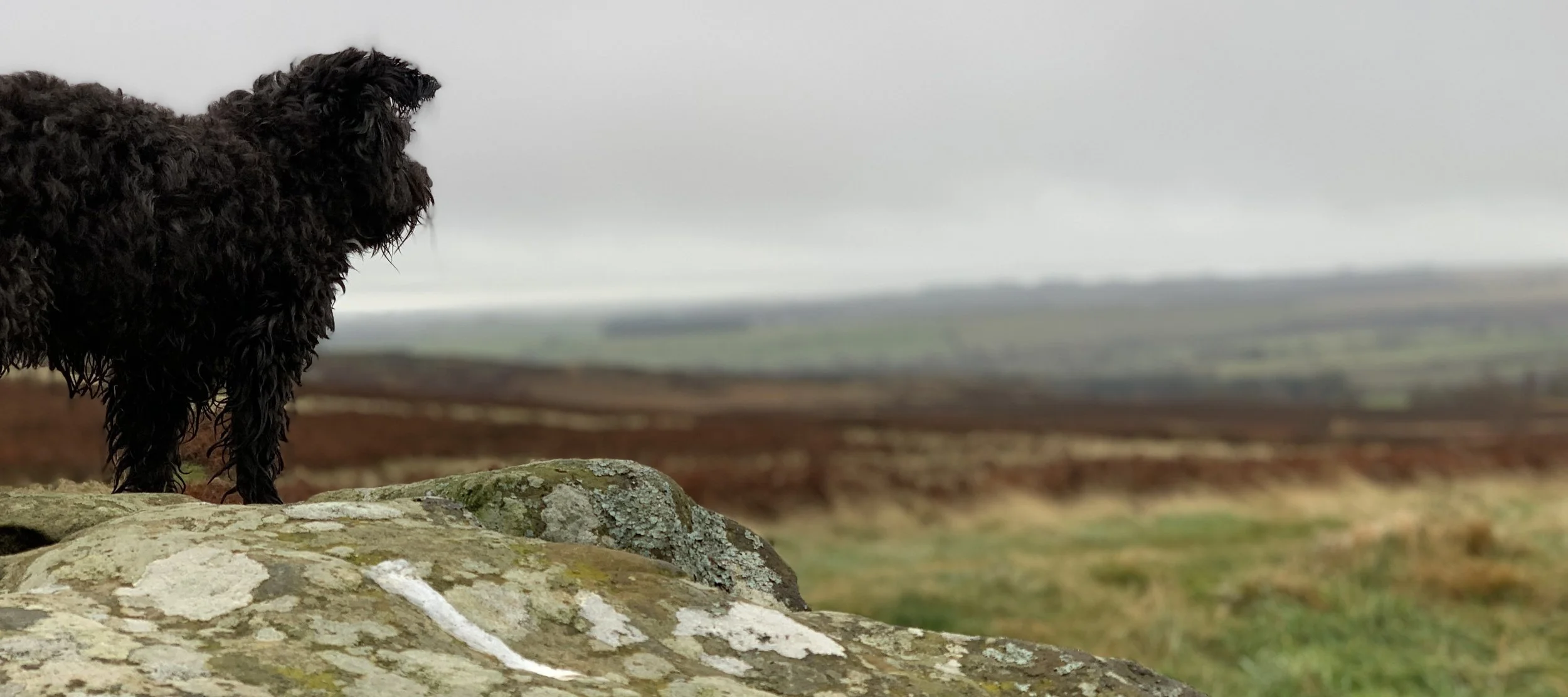
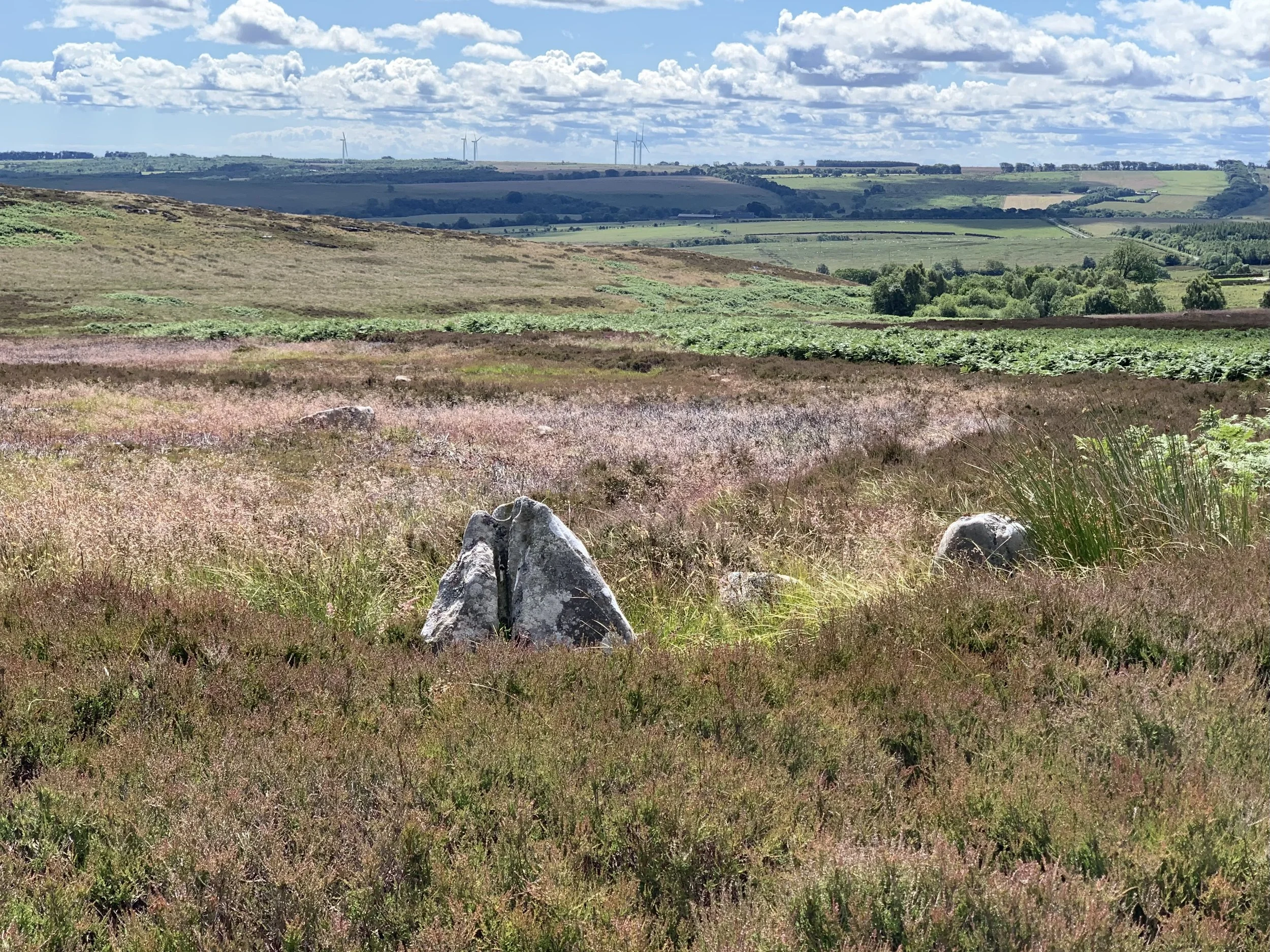
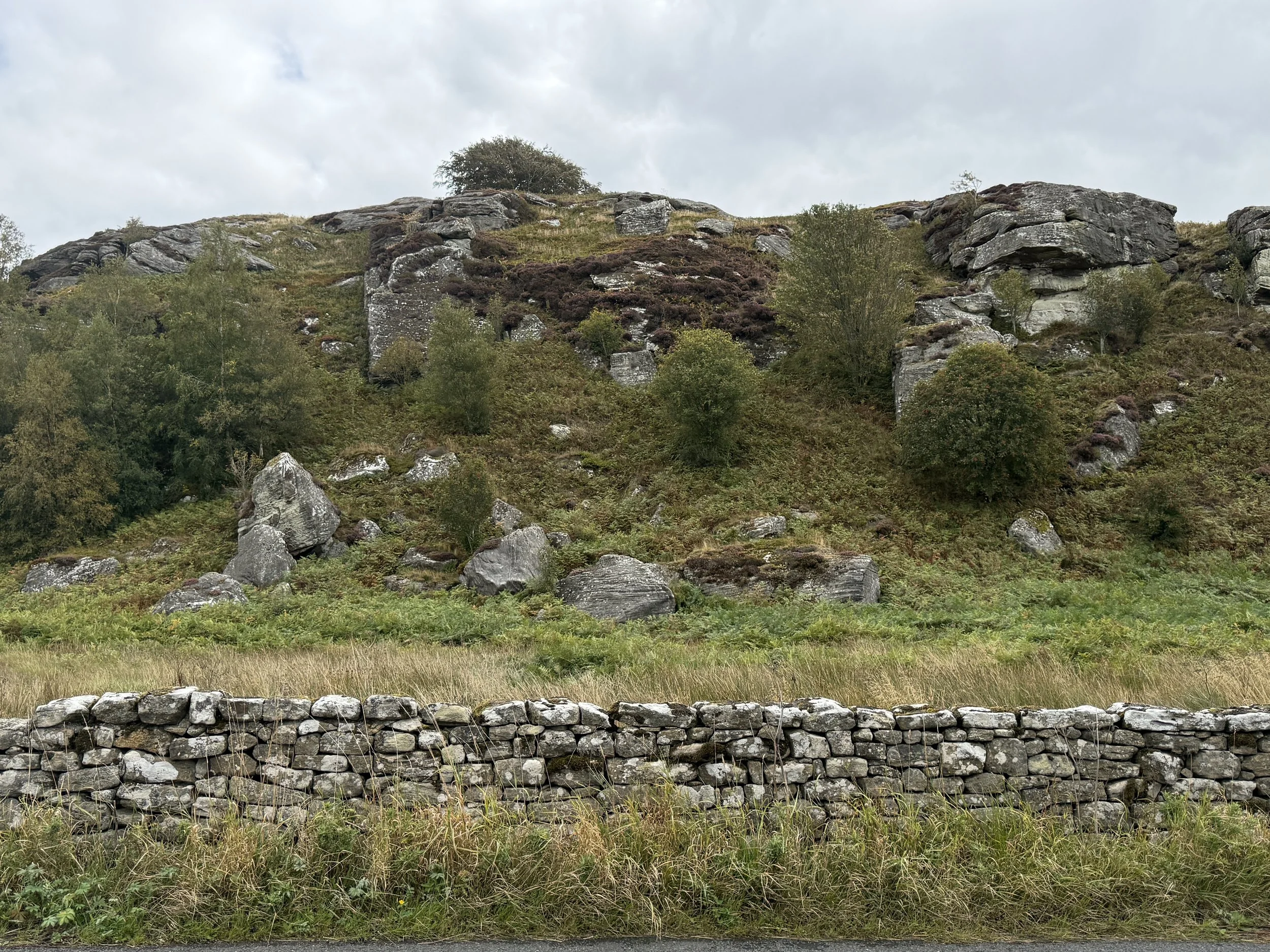
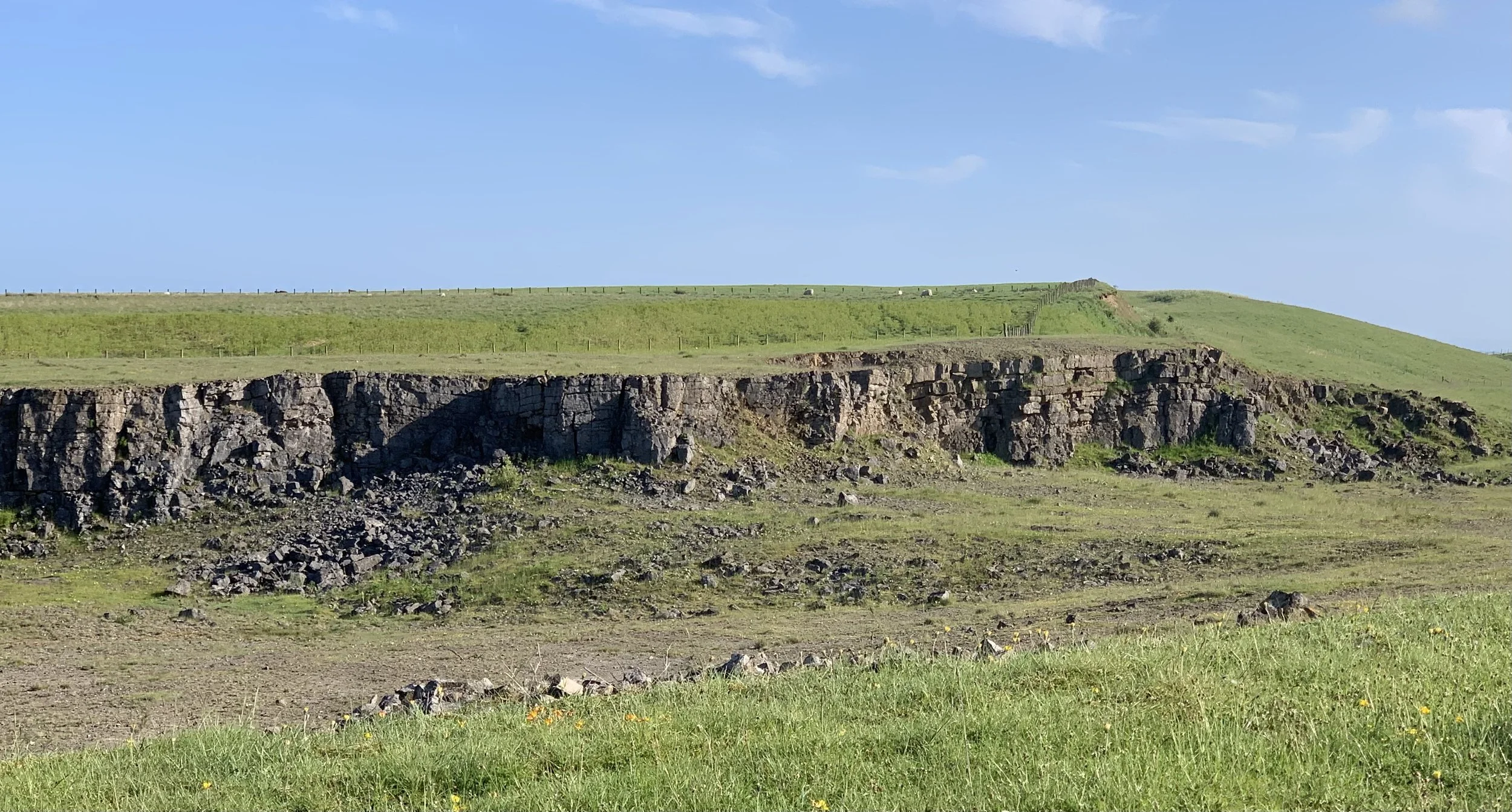
This poem, in six stanzas, addresses the impact of the development of Wallington from Nature’s point of view - ‘We - Nature’ - as the historic characters impacted the environment to grow their little empire, and created what we now know as the Wallington Estate.
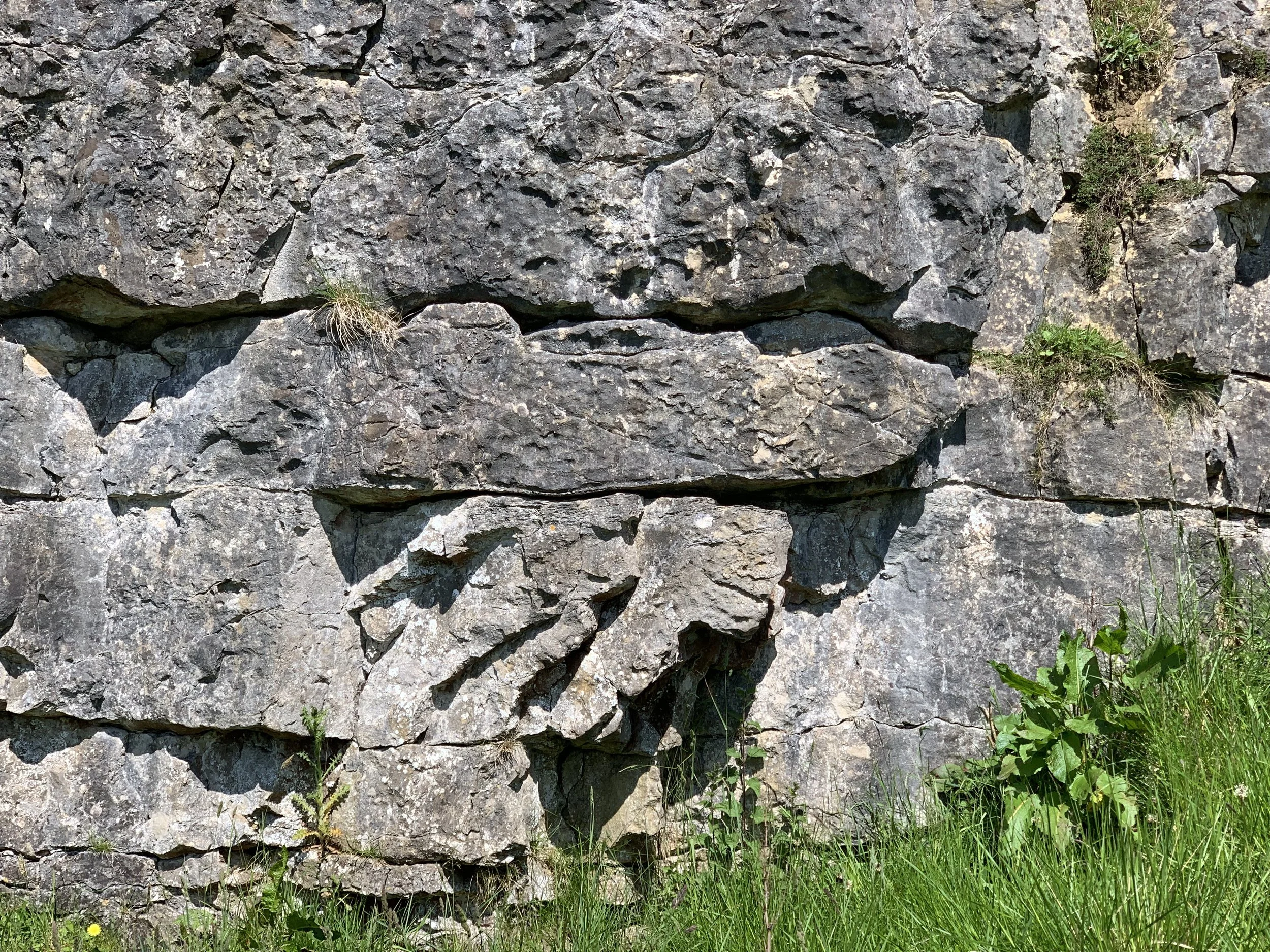
i We - the Stones
Were you mindful
- you grand men of Wallington
that when you split Us - rock
from crag to wall
you severed something deep
to serve your want?
Used to replacement by Neolithic kin
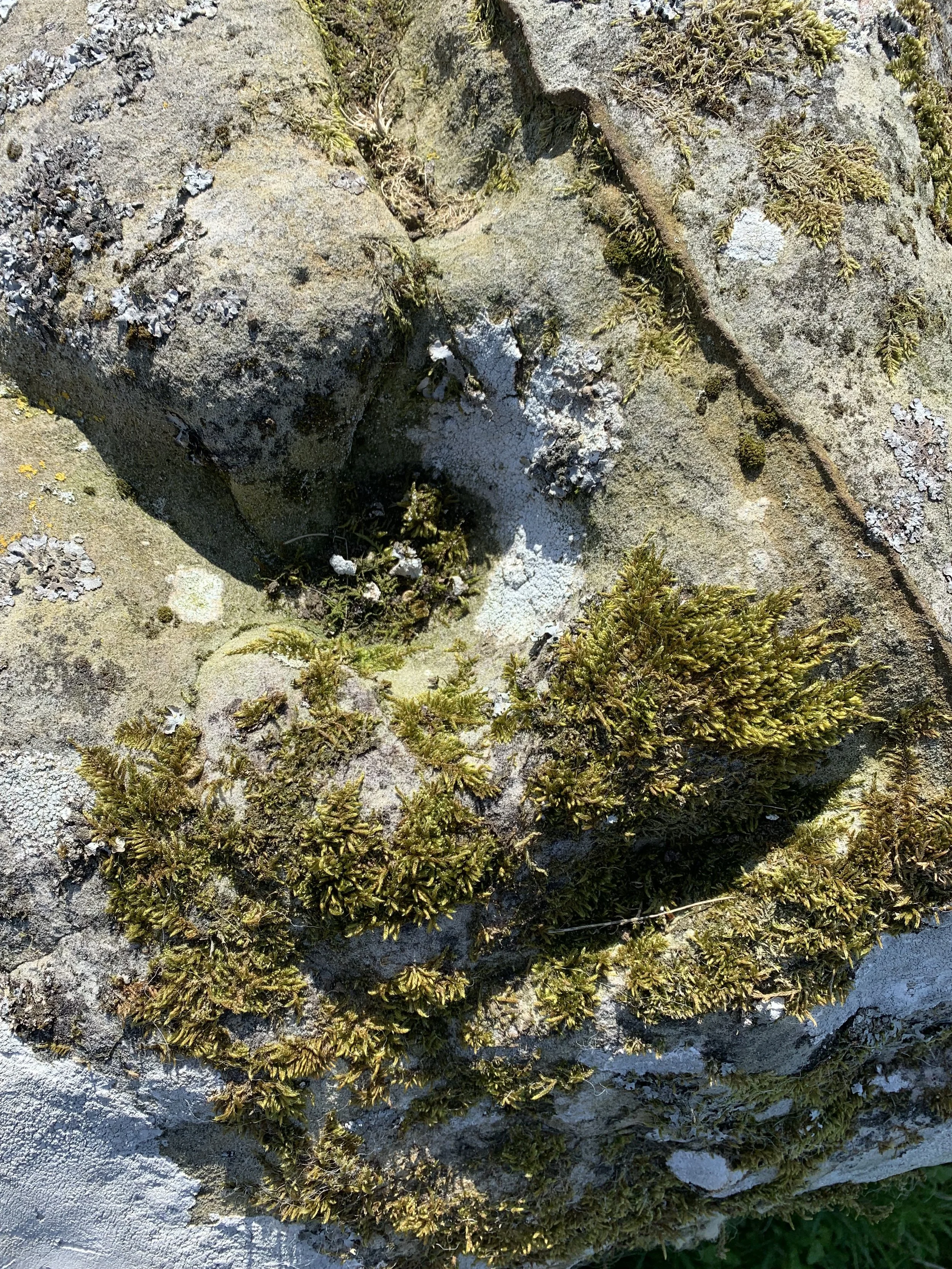
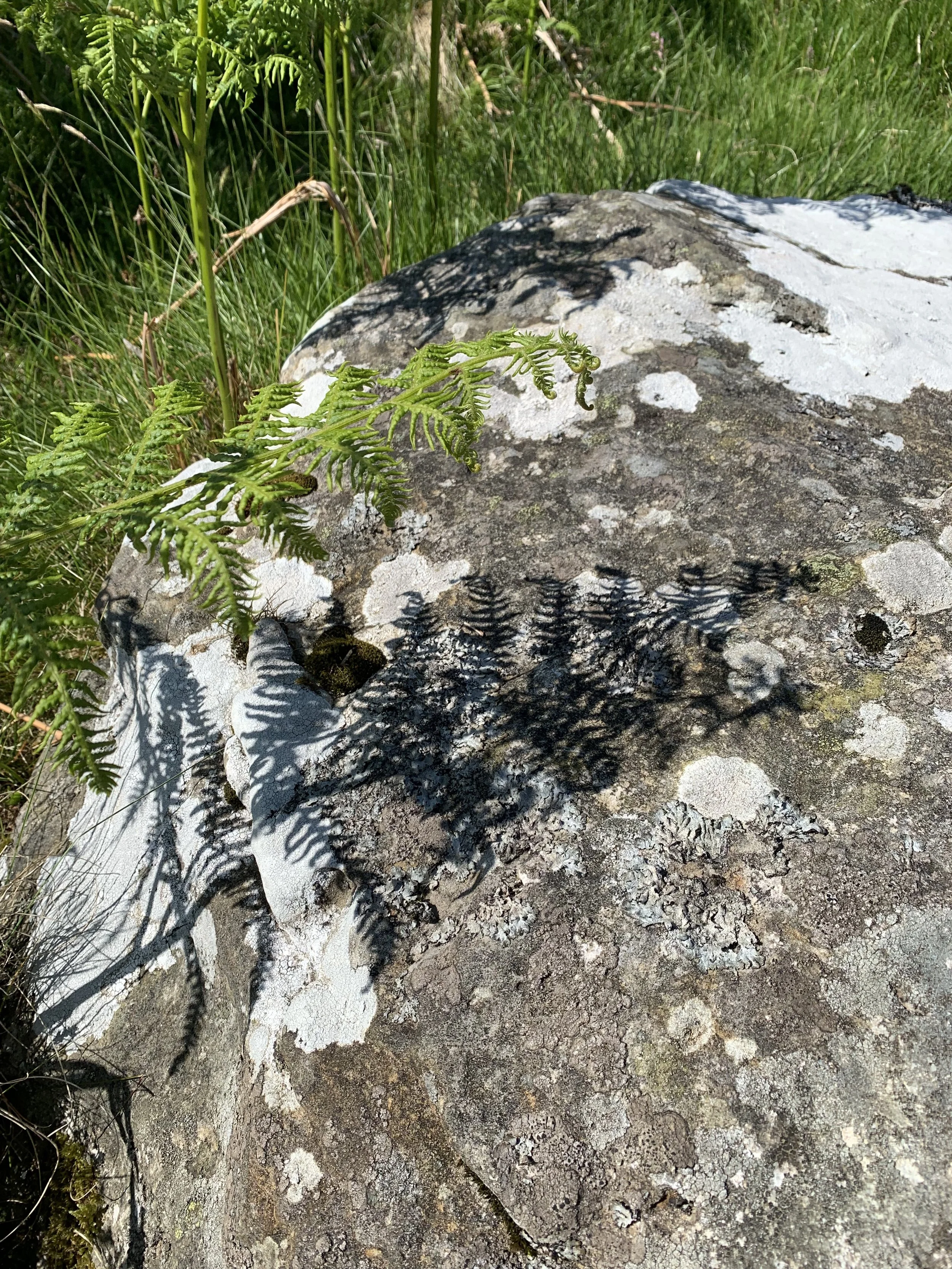
now We - the Stones -
were dragged and flogged
from ground
to shore defences
- to make a place
you call your own.
We - Nature - bore the cost
of homes
held high
by hacking
baking
crushing lime
to mortar folds
of local stone
quarried, chunked and heaved
sweat-drenched
from Our inclement moor
bogged down
in heathered pits
of bliss we sense you never knew!
We - Nature - that you ignore
have held the impact of your force
through time-piled stones
as sheltered order
aching with compressive force.
We - the Stones - arch Ourselves
hunching against your physics
corbeling [1] your protection
to fortify your ever larger folds
against others of your human kind
… and greed
We watch and wait
You wet-footed men of Wallington
Footnote:
1.A corbel is a projection sticking out from a wall to support a structure above it.
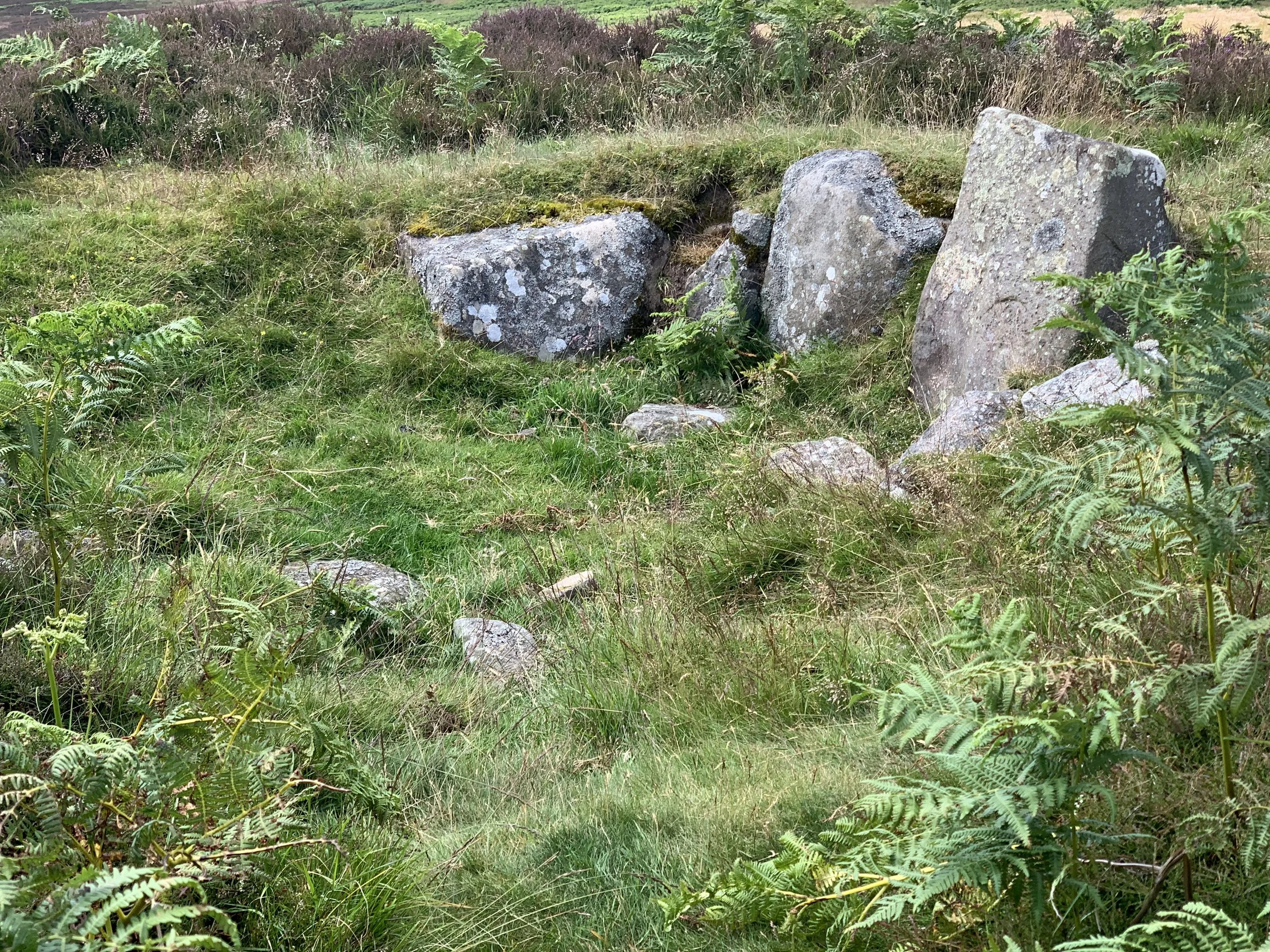
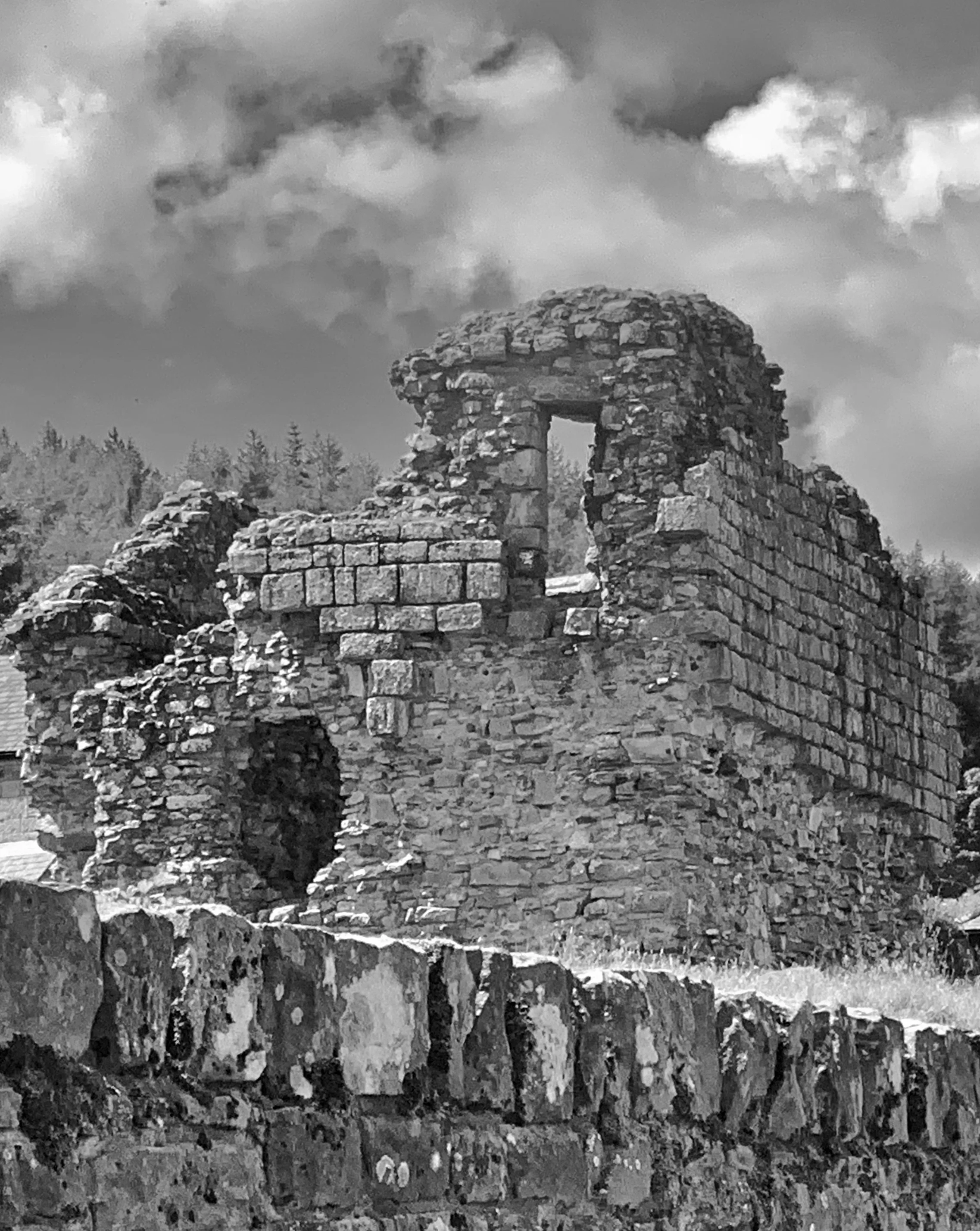
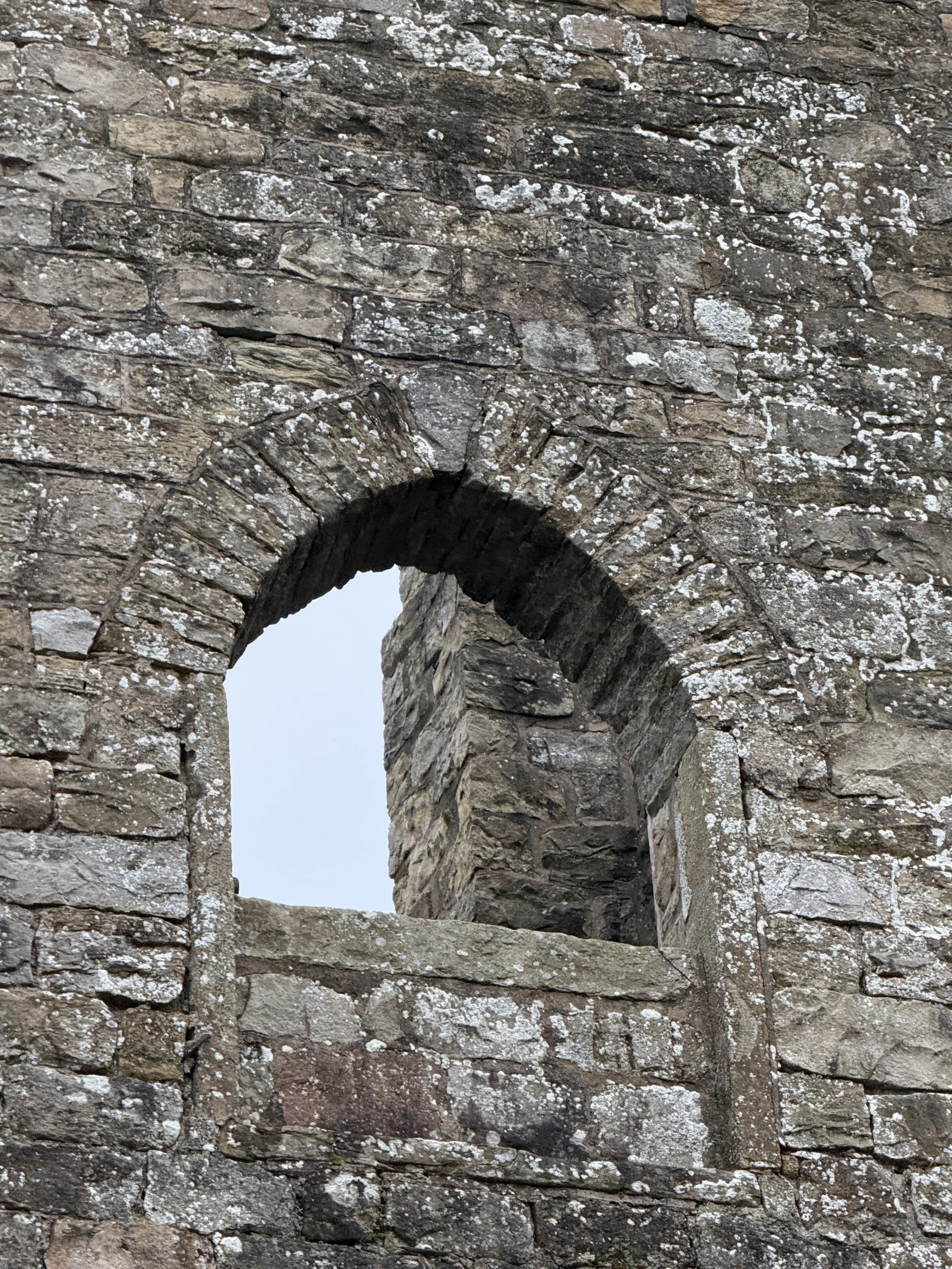
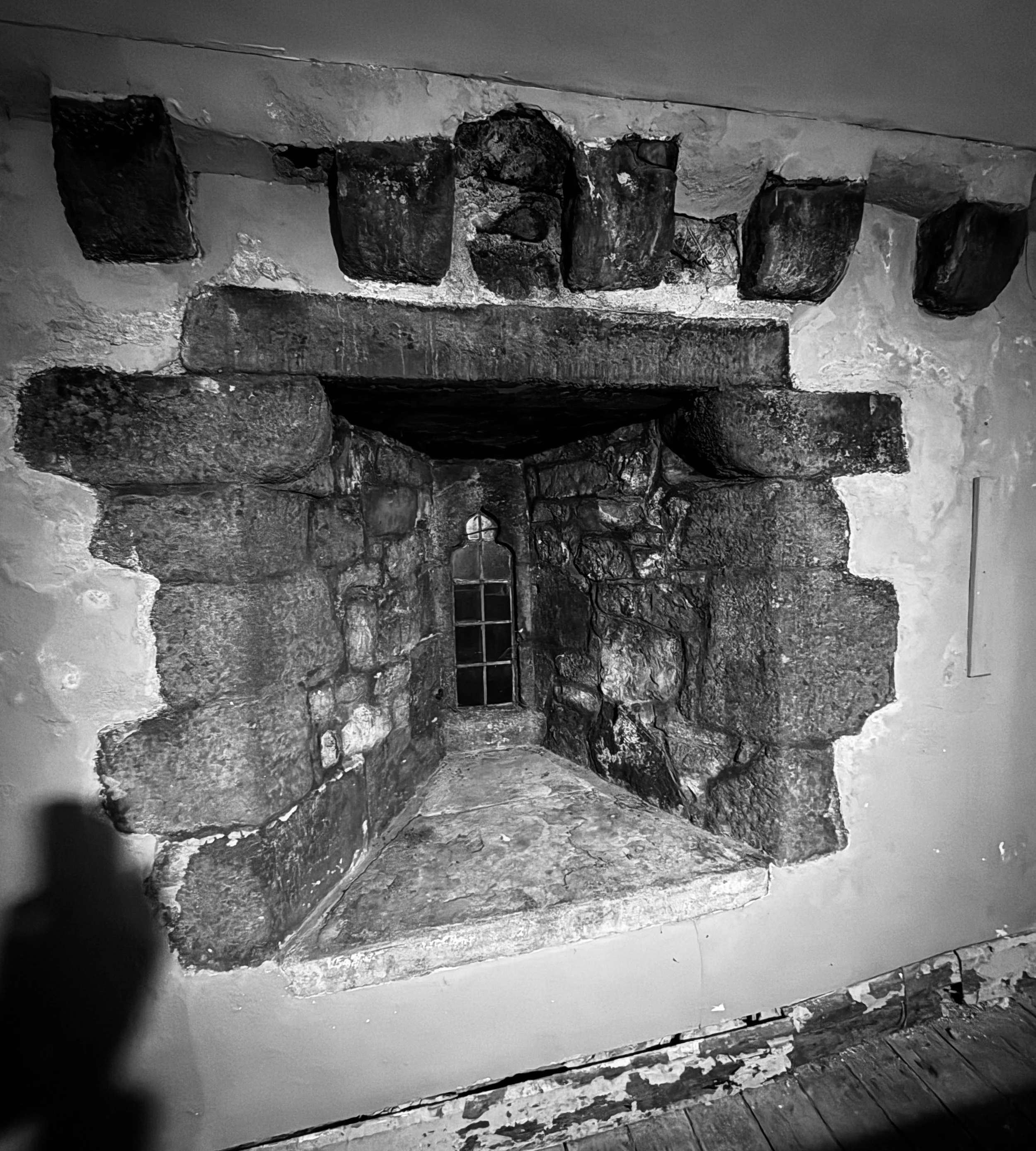
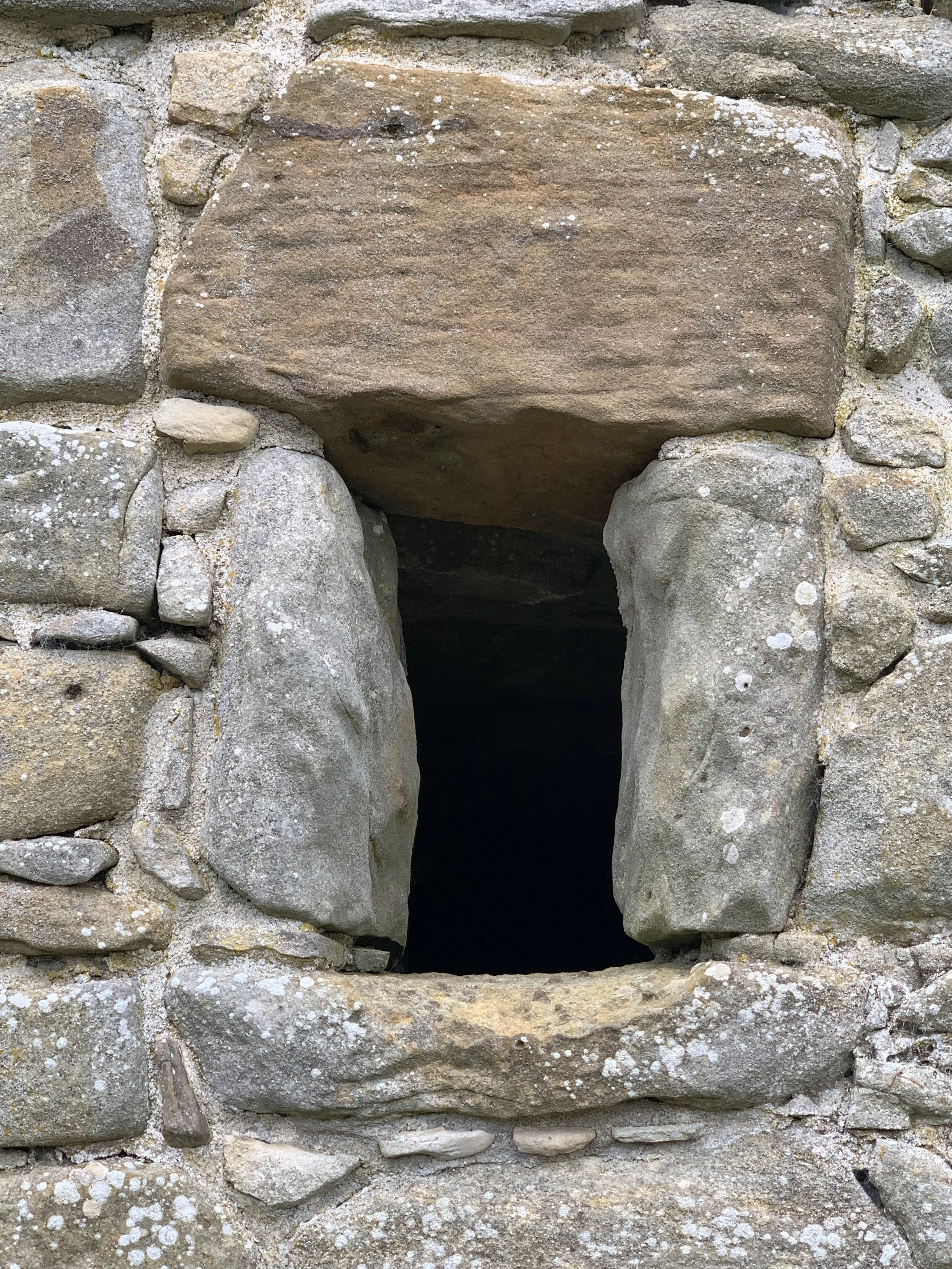
Note: Bastle Houses (after the French word bastille or defences ) and Peel (or Pele) Towers were defensive dwellings in the border region. The remains of the Wallington stronghold form the basement of the existing Hall. Photos of a derelict Tosson Peel Tower, and the basement pot Wallington Hall.
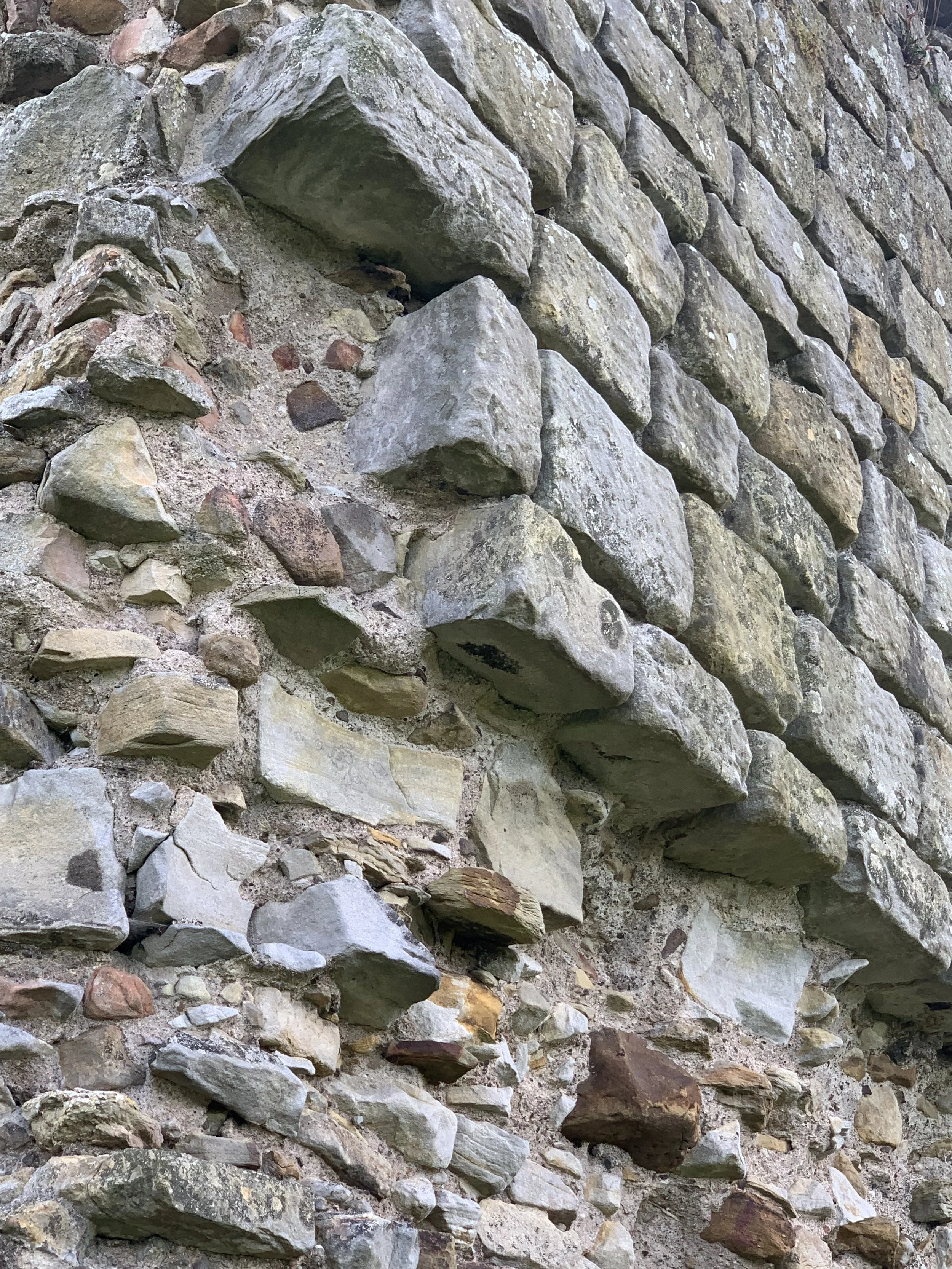
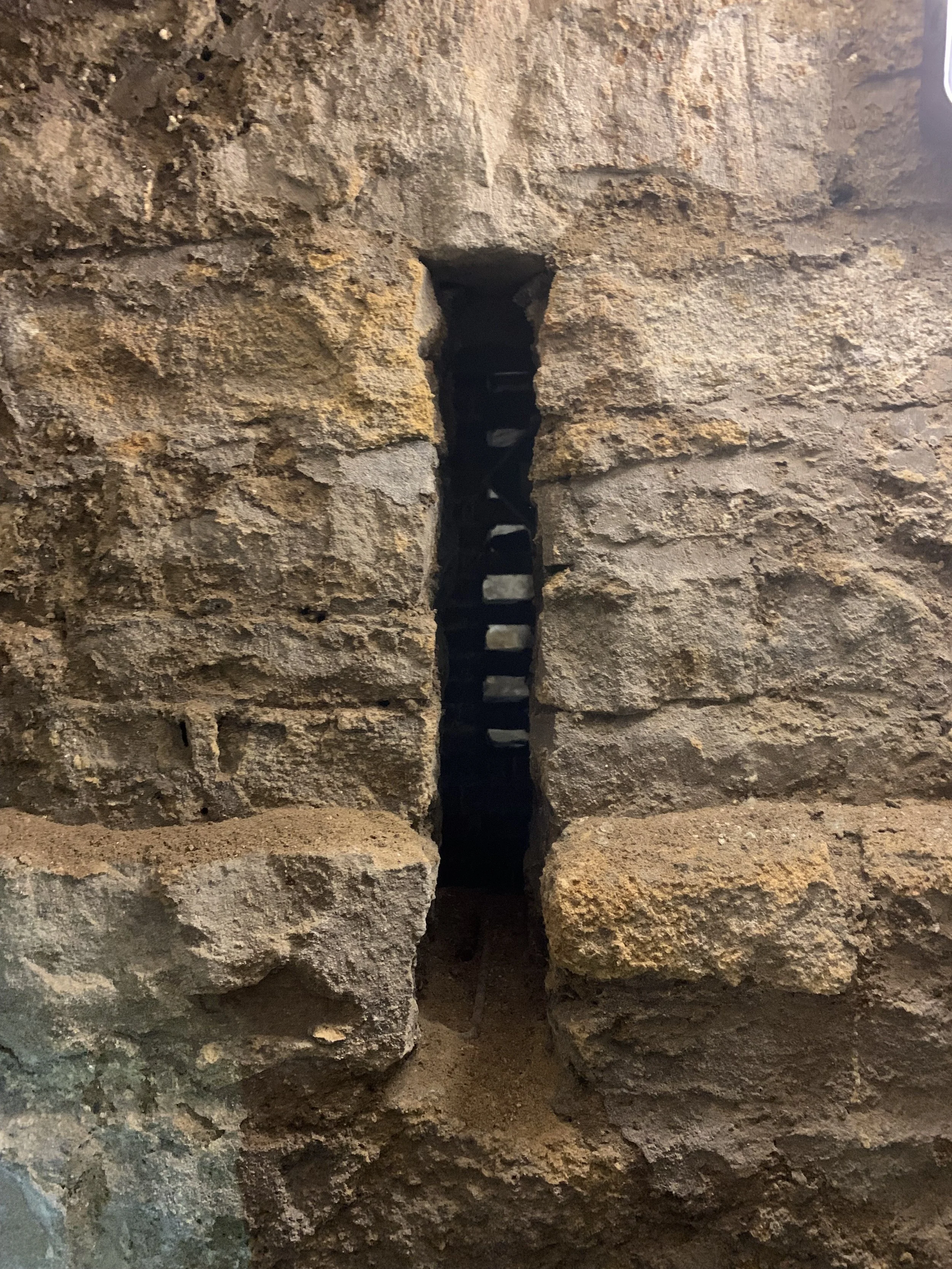
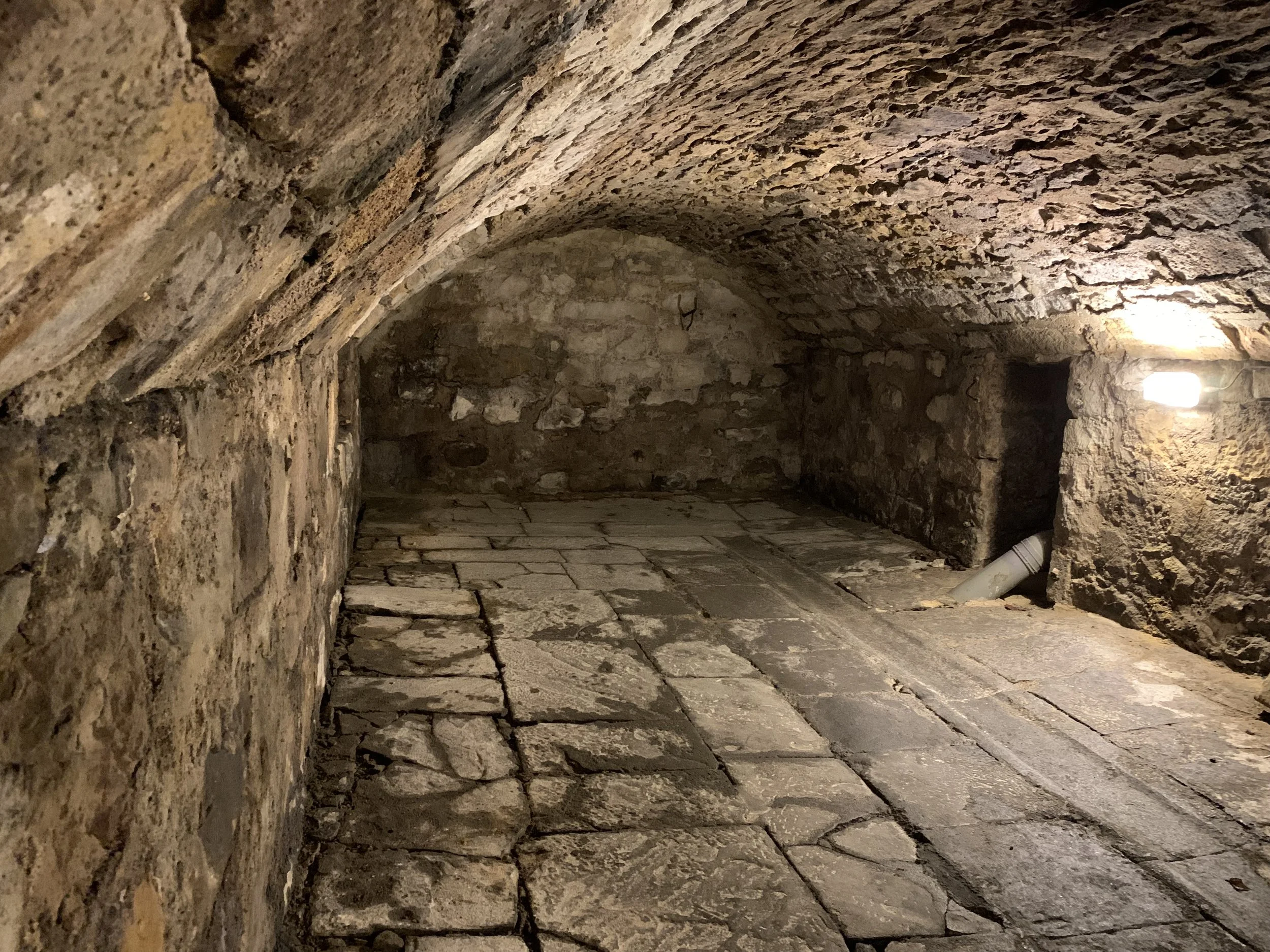
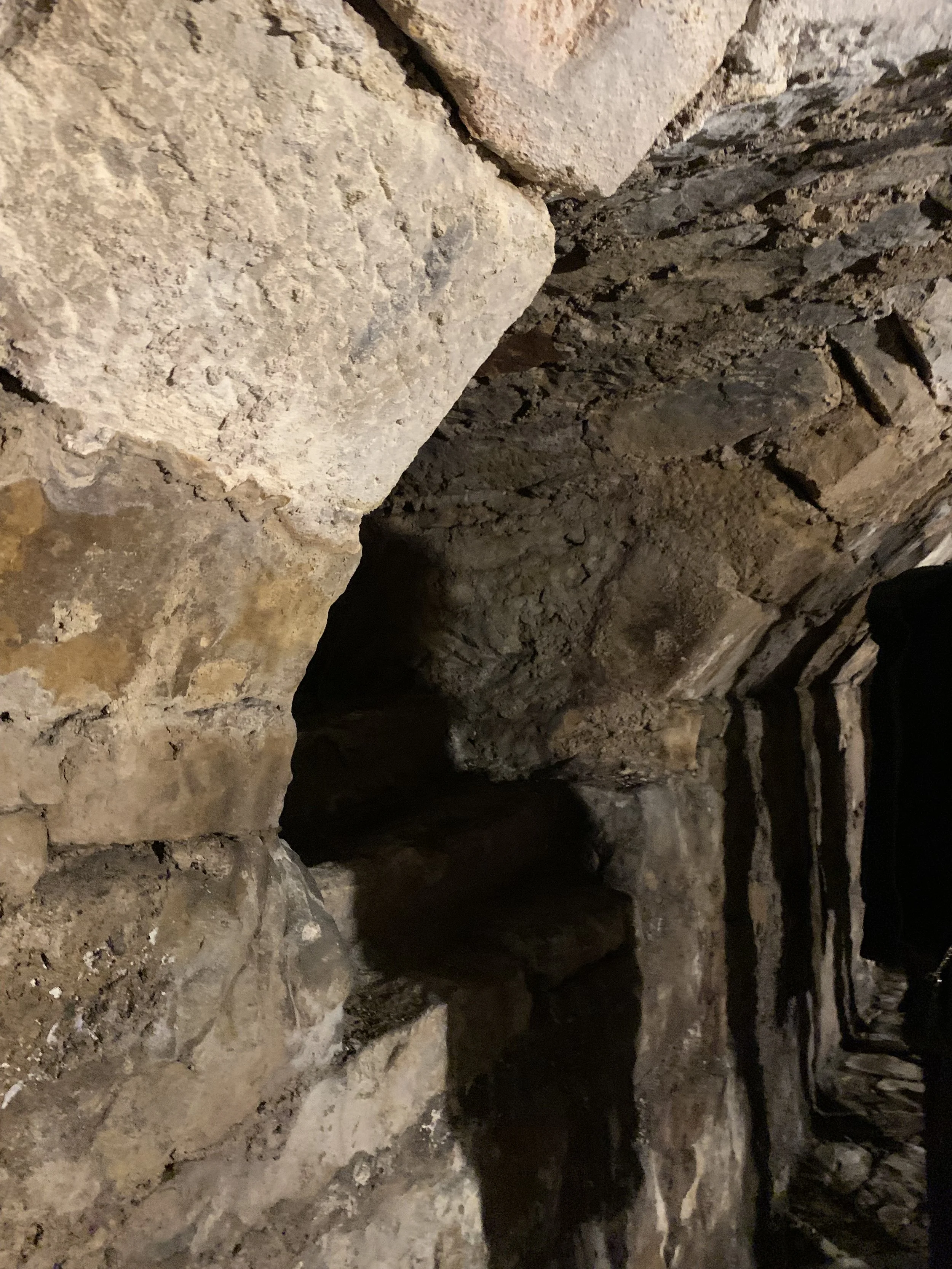
ii The Normans
You barons Bolbec had dreams far beyond
your Norman Blanchland Brothers fold.
Plans to brave the bitter winds
to hack and pile Us - the Stones - high up
to thicken your nibs’ defence.
And thus a fortress house still further north
rose in the wild borderland
– so Bastle strong –
your indentured servants built the early Wallington.
This foursquare sécurité
made to stand against Picts and Scots
those rascal beasts hellbent on spoils of any sort
that you called yours
and they call fair game
– your riches from your Papist pomp. [1]
You othered them.
– and whomever else –
to boost your self esteem.
Your vista of realité
so scribed to justify
the might of you, strongmen,
over-lords.
So then
grounded o’er the Wansbeck
We – Stones enfolded you
when under threat
gathering low
with cow and sheep
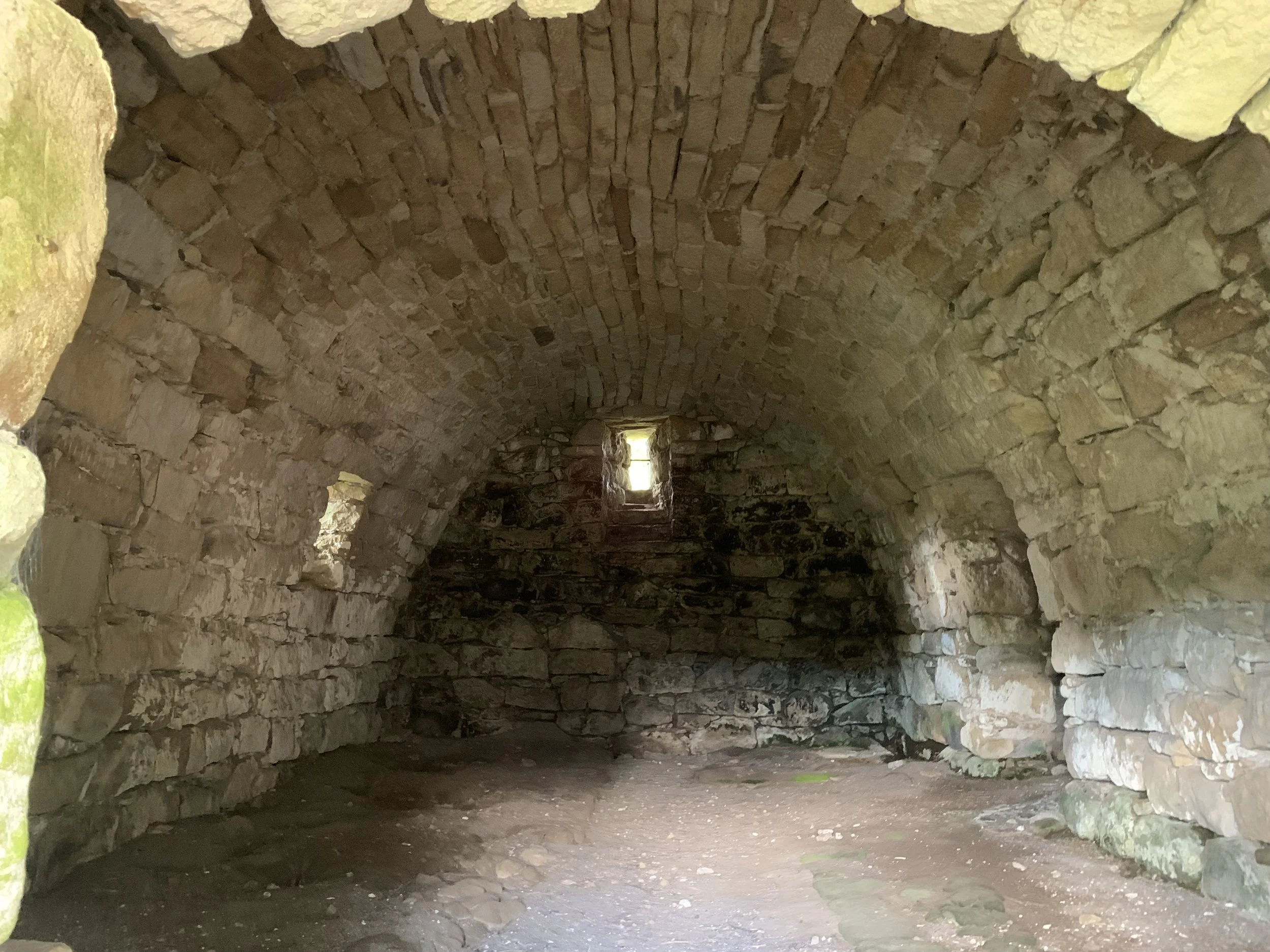
hunkering in a low vaulted crouch.
Hugging to your Norman selves
the and – and – and –
of supplies galore
the locals could not enjoy.
We – the Stones – opened in narrow cracks
through which you peeped
out-waiting
any fearsome folk
beyond our six feet walls
If We – the Rain – downed heavily
earth’s water table rose
to flood your lime-flagged floor
dampening soles
- and spirits
in your dungeoned hold.
But you were safe and sound
as We – the Stones – stood strong
against your ‘Othered’ foe.
When We – the Clouds – did deign to part
We – the Sun – lit your low ceilinged fold
through arrow slits
that shed light upon your bounty
of high stacked stone shelves
bursting with provisions We – Nature – gave
to outlast the ‘Others’ boredom, greed…
Or was their’s simple unmet need?
You could survive
but could you live?
What delight adorned your hours?
As We – Nature – beyond your fortress hold
bred beauteous bounty most oft-unseen.
We – the Sun – rose and fell without end
unconcerned by your Norman will
getting on
with life on earth
We – the Grass – flowed freely
on unhampered heather moors
aside the endless times of peaty bogs
sucking in the carbon waste
of our rotting parts.
We rampant ragwort
beneath We - gnarled pine trees -
looked out at beacon-white dwarf birch
clinging to thin soils of upland expanse.
All still so very free.
Yet in the creep of your unending want
you claimed possession of Our land
And began to yank us hard
Yet, still, always ready to leap back
within your defensive folds
en-castled in your fearfulness
you fought each and every other foe
in lieu, always,
of Our embrace.
We – Nature – family of the natural world
gave shelter, berries
shrooms and cotton grass
to tend your wounds
fill pillows
and wick your wax
to light your dungeoned times.
Yet on and on
you took and took
what We – Nature – sense you did not need.
Footnote:
1. The incoming Catholic Normans had wealth that border Reiver’s may have felt was fair game.
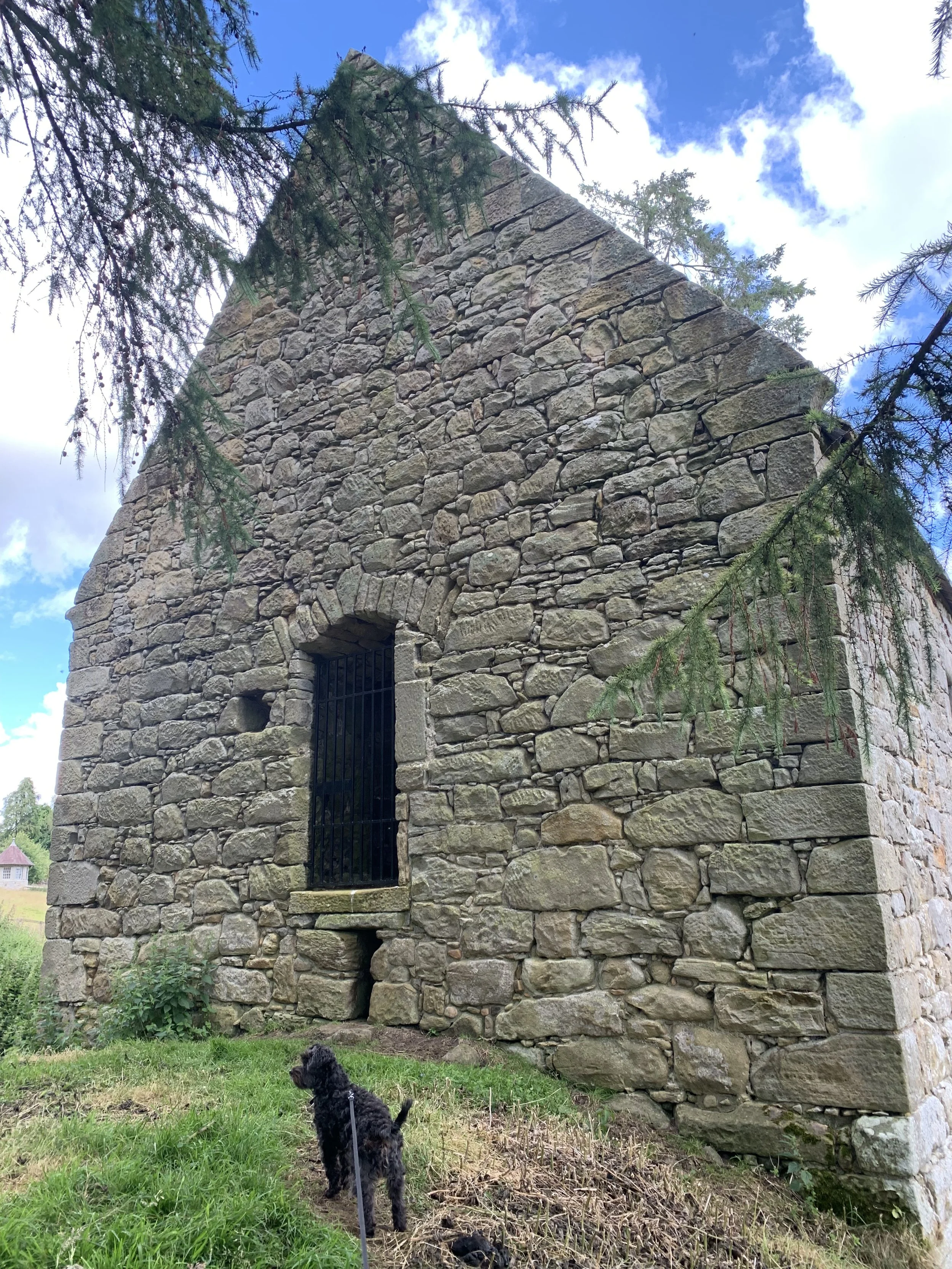
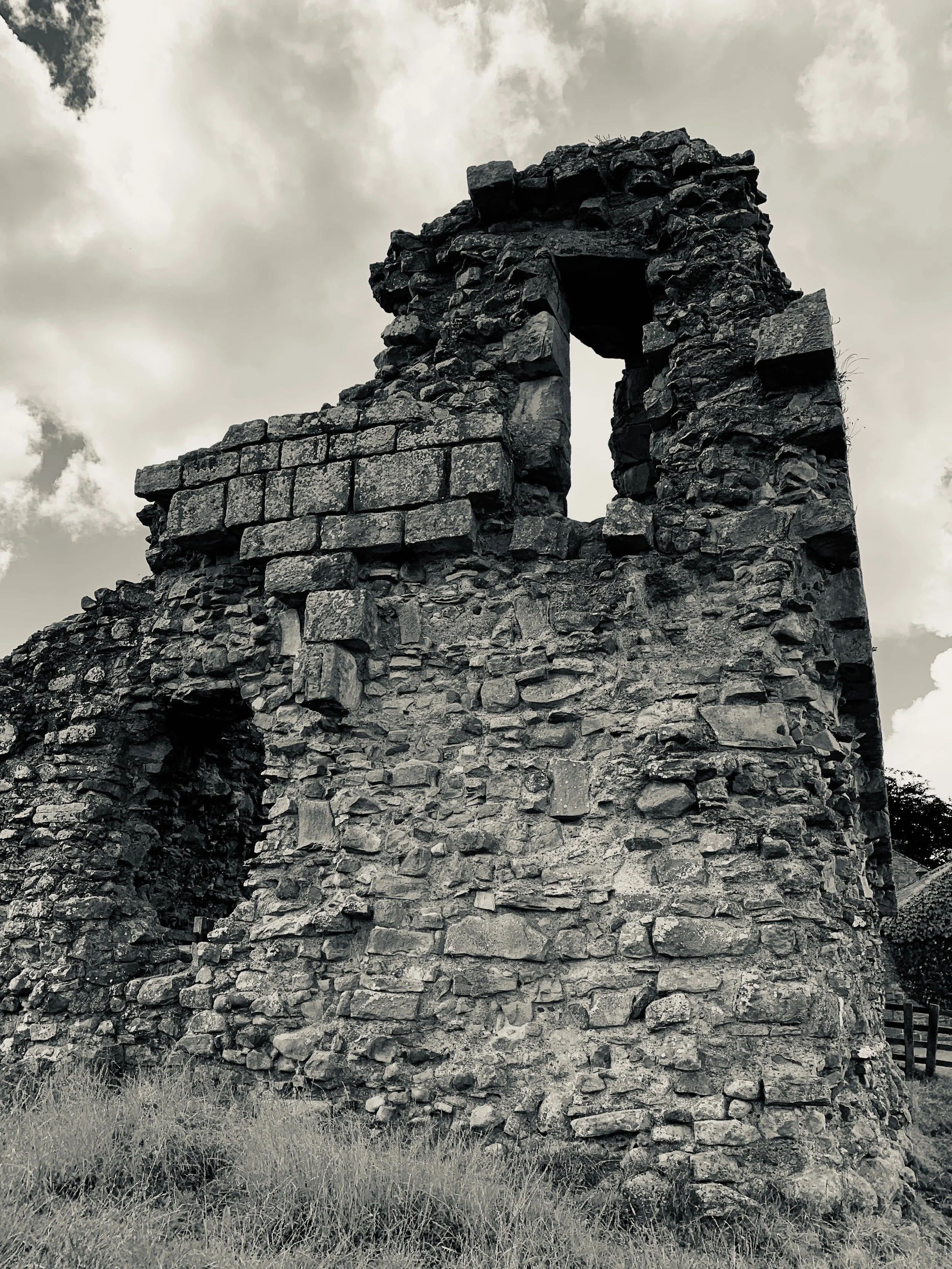
Photos: Defensive Bastle Houses and Peel (or Pele) Towers in Northumberland
iii The Fenwicks
And then came you
pugnacious clan.
The greatest thieves in northern lands.
You phoenix ‘John’ [1]
married wealth
and birthed your fortune
by aggression’s hand.
Sabring scruples so lucratively.
Awakening Our dozing wilds
with battle cries
you fearsome flocks of Fenwicks
fielded your endless want across the border-line.
With spears and bows bent
towards your foe.
You took no prisoners
but bagged the loot
expanding ever bulging chests
… and egos
gloat
throughout Our land.
Such lucrative onslaught of Scots folk
in forays from your Fenwick fold.
And then – John no.2
first Baronet of Wallington –
you rode your quiet bloat
to Hampton Court
to breed
both envy and your mighty mares
that pleased King Charles no end.
Chuffed with pride
you Jacobite
then turned back north
to carve and clear Our natural slopes
below your Fenwick stronghold
for galloping your thoroughbreds,
until hard times caused a heavy fall [2]
from grace.
Footnotes:
1.The Fenwick (or Fenwicke) family were Border Reiver , and played on the fact that the name Fenwick sounding like phoenix.
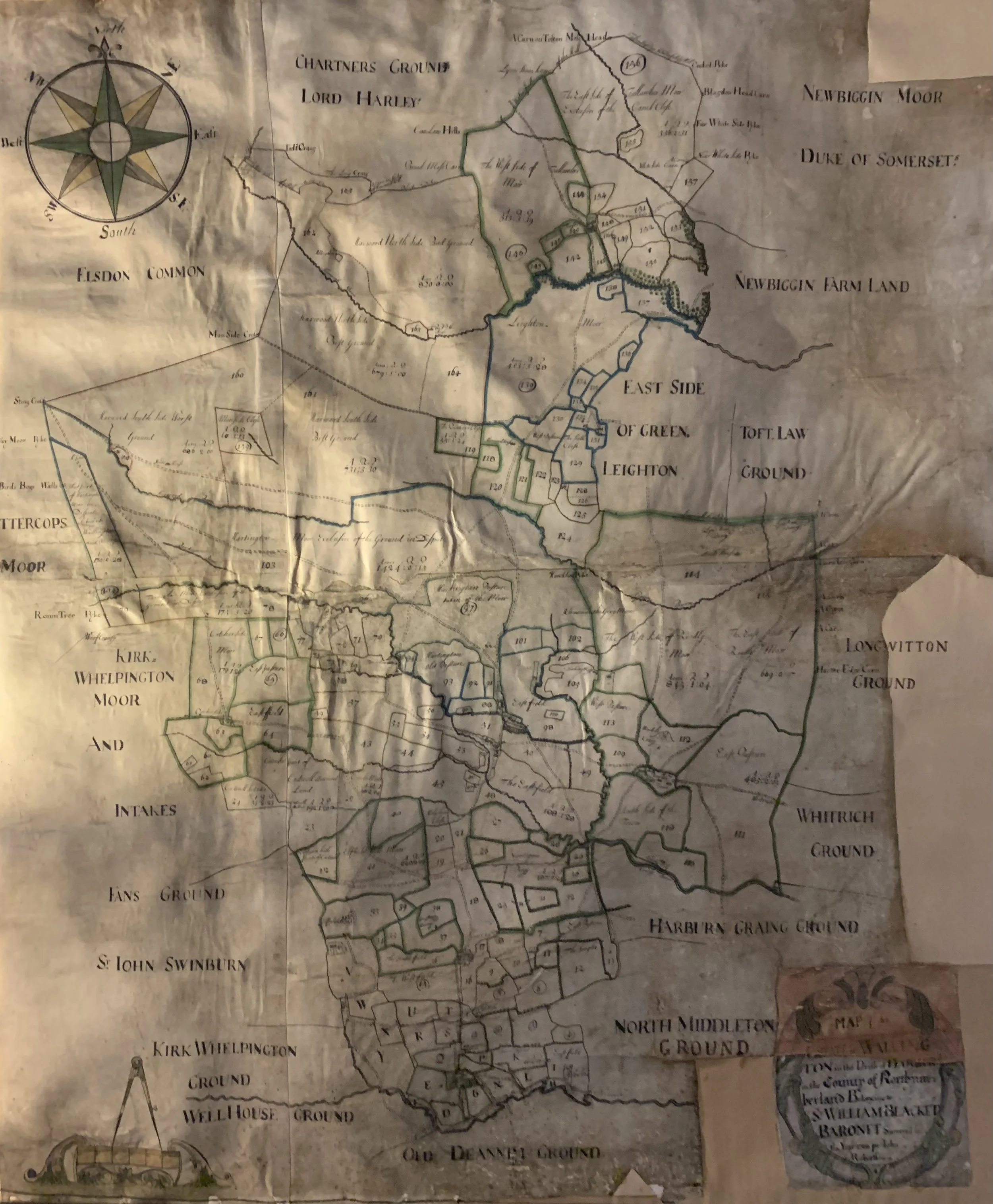
2.King Charles took a fall from one of Sir John Fenwick’s thoroughbreds. Having sold Wallington to the Blackett family, Sir John fell out of favour, and was eventually beheaded as a Jacobite traitor.
iv: The William Blacketts [1]
We – Nature – sighed
as wealth-heaved souls
made bids
to grasp Our place – Our home.
The man who won
– Sir William B –
moved up to grasp
the Norman lair
and spilled his purse throughout the land.
And with a sigh
Our Bastle stones were hauled away
as eyes rolled
at Wallington’s new growth
into a four square hunting box
to which you brought the hoards of folk
not tiptoeing
but arriving in a stomp,
trampling throughout Our wilderness
with guns aloft.
Untethered hounds
tore limb from limb
while We – unfettered growth –
negotiated amongst Our nature-selves
of how to be
and who to bow our branches
and our boughs towards.
We tussle – sure – within Our whole
a balance,
We sense you do not know
with your earnest rationale
– a disconnect from Our milieu.
And further still
estrangement came
as we watched on
as Wallington quaked with rollicking times
as the teenage orphaned Will [1]
brought to Our place debauchery
We – the Stones – at Shaftoe Crags
Witnessed as your ‘drunk maddened crowd’ [2]
with whom you drank and raved
and smashed
both glasses and Our rock alike.
Footnotes:
1.Sir William Blackett (1690-1723) inherited Wallington as a teenager.
2.William Robson of Cambo, cited in Wallington, Northumberland, National Trust; London 1994. p.11
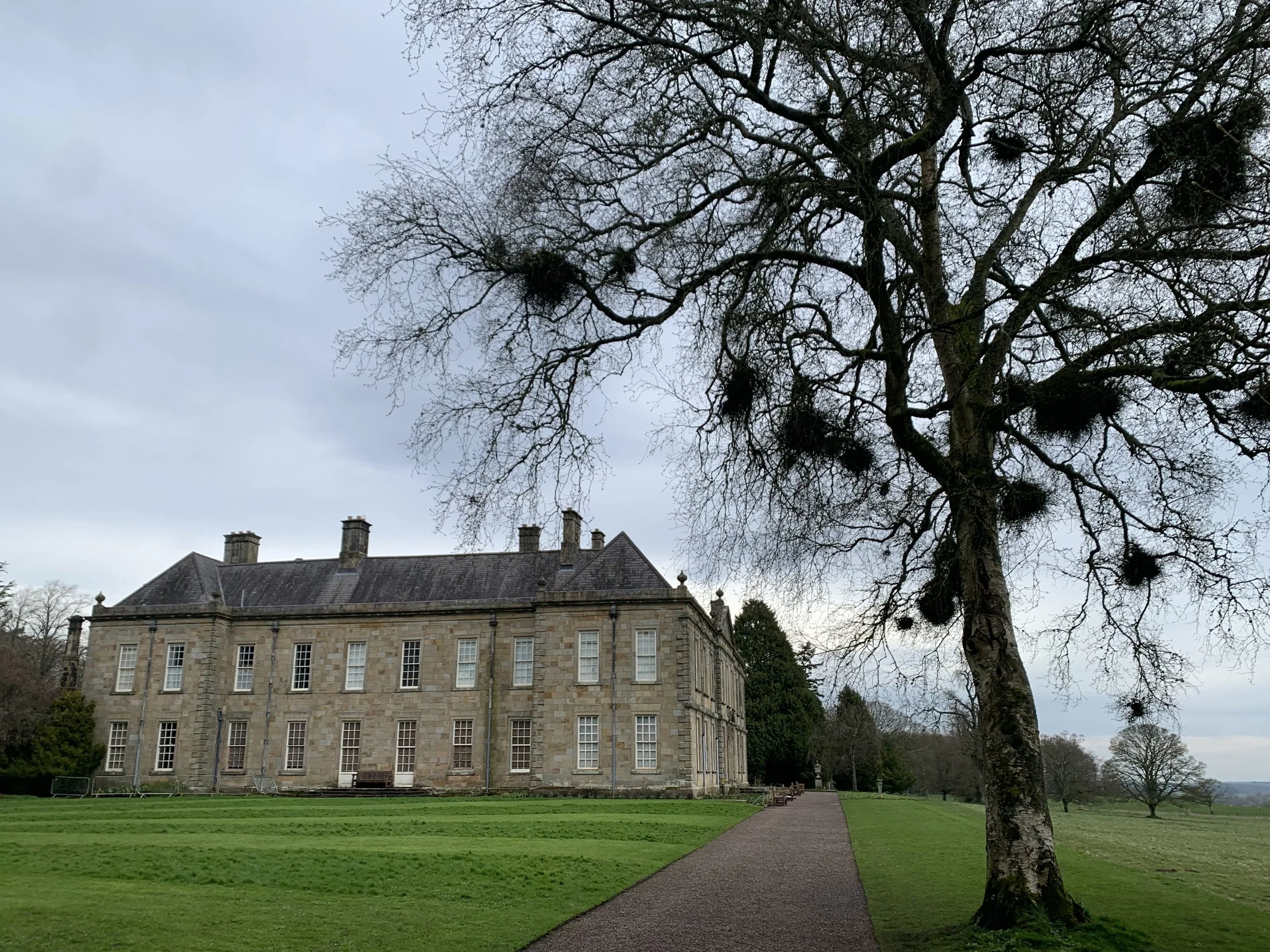
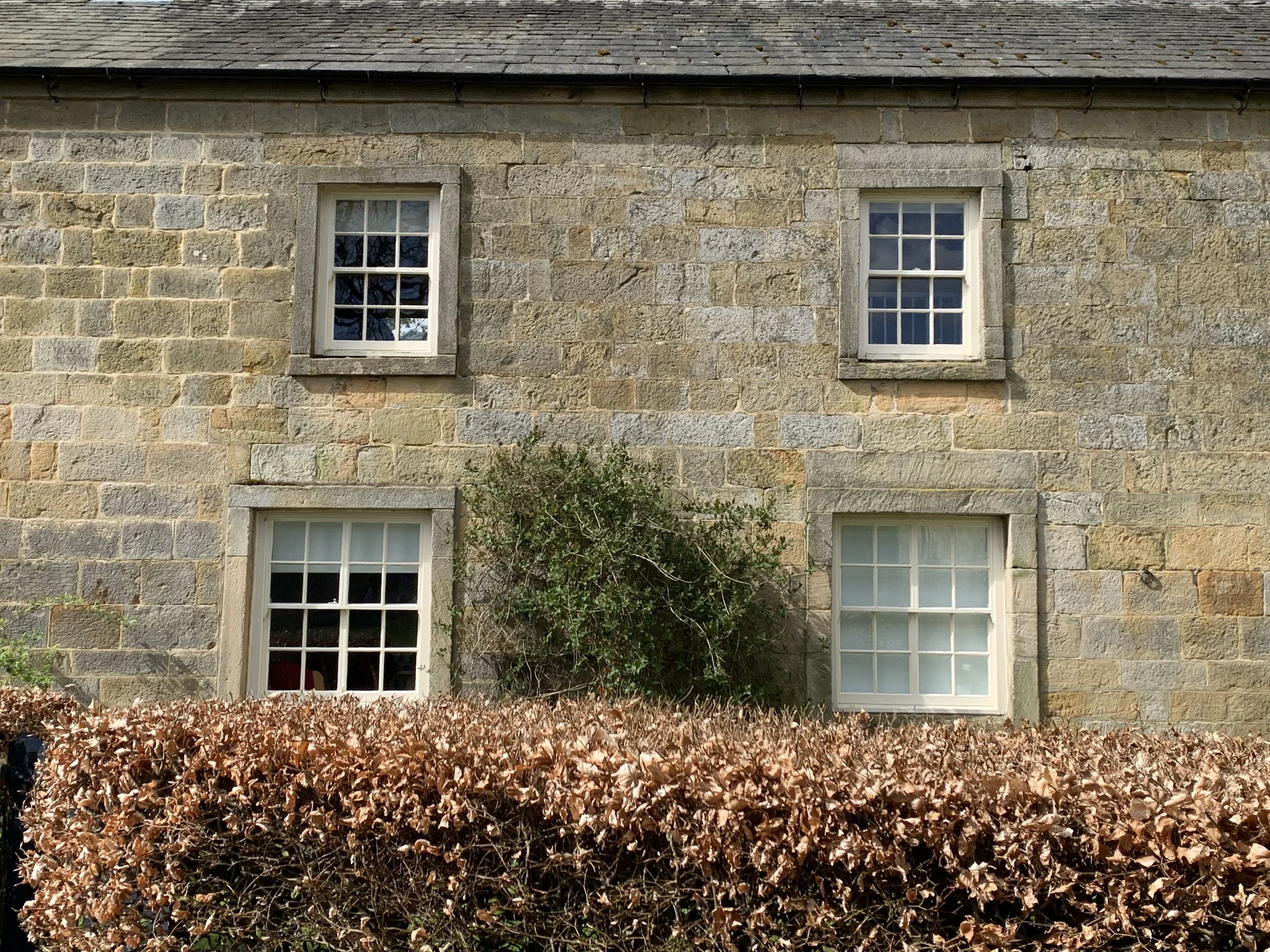
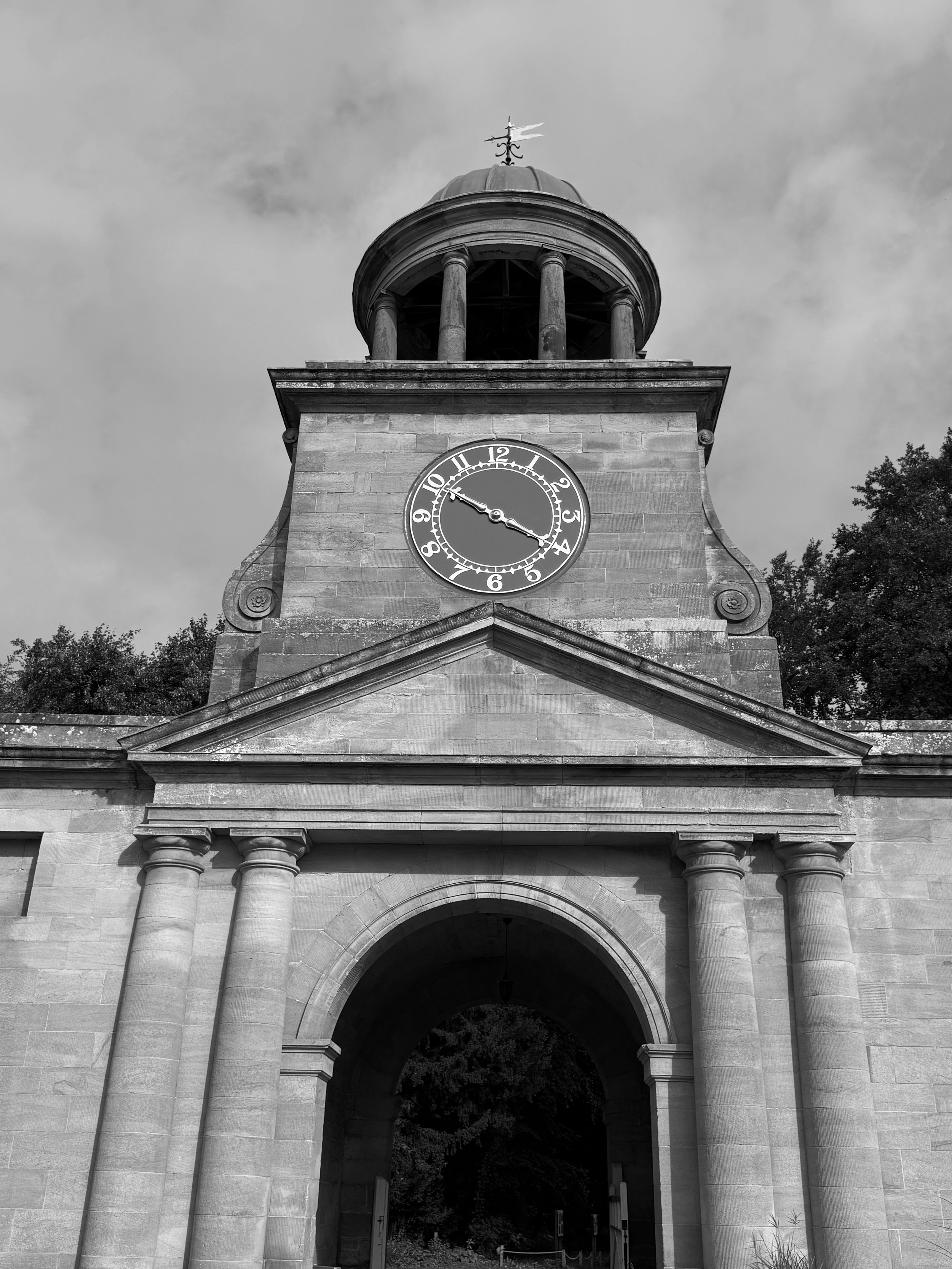
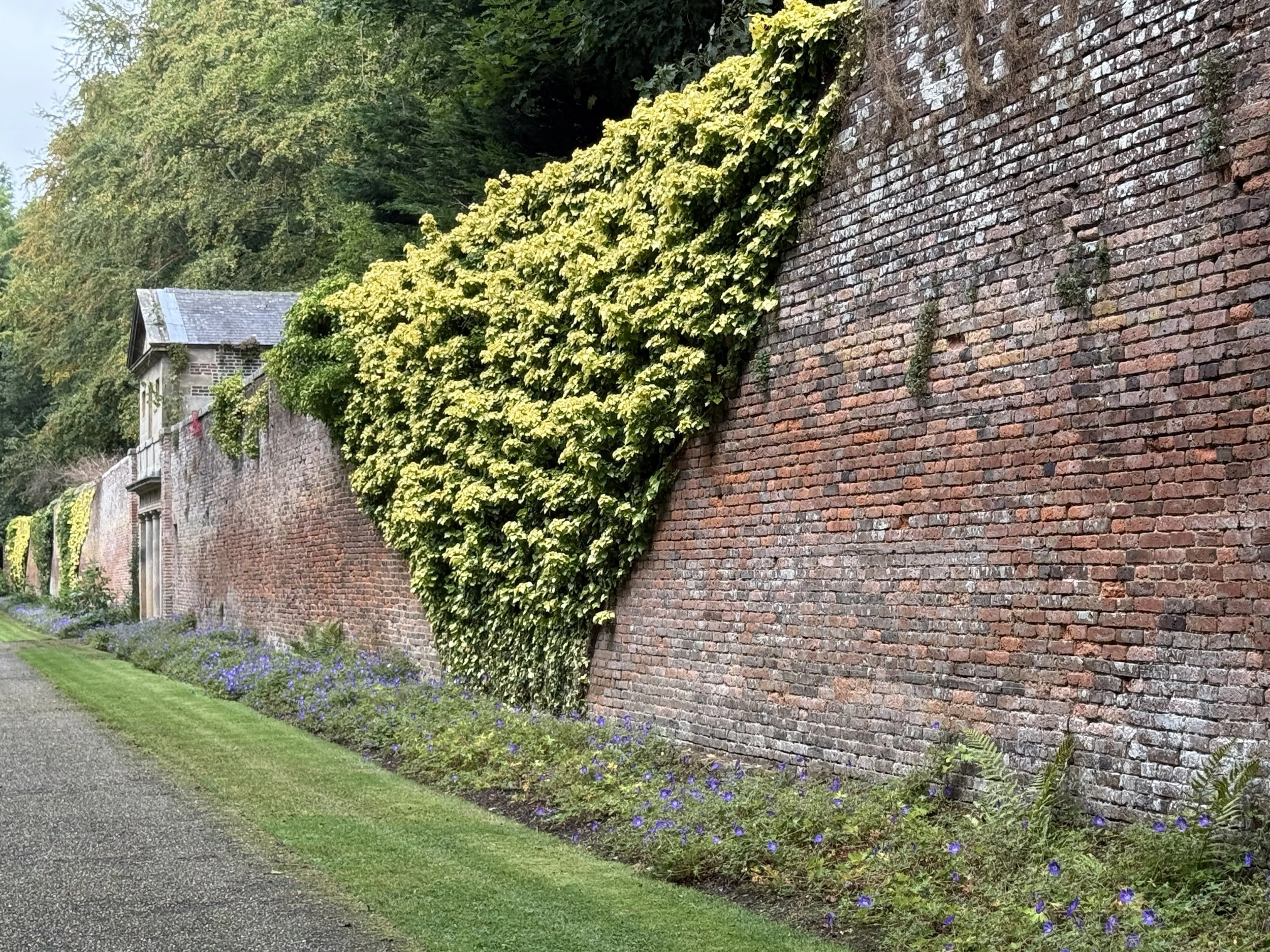
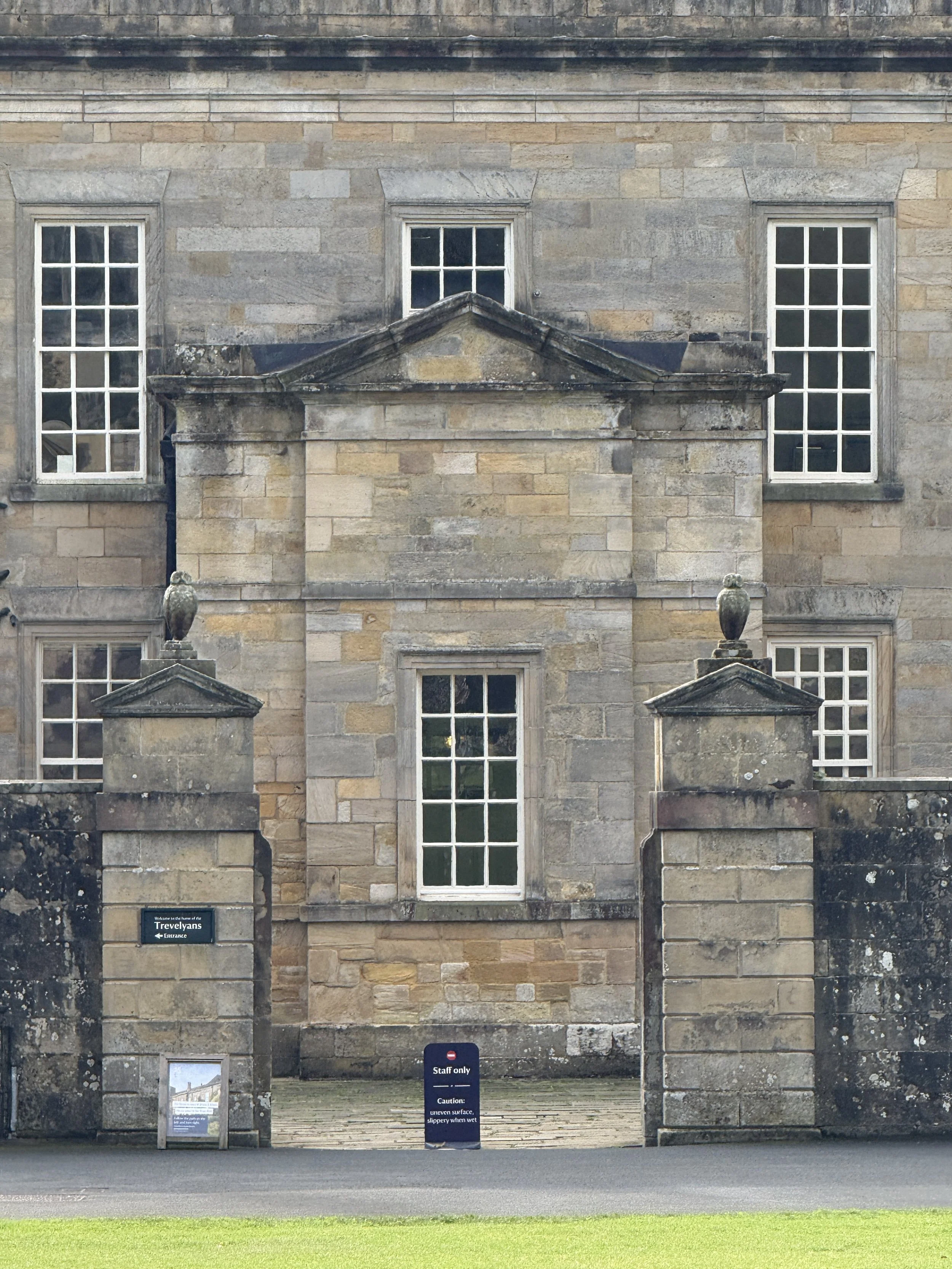
v. Sir Walter’s World-building [1]
As We – Nature – held our breath
the brute force of unfettered will
came as whiplash to Wallington
with Sir Walter’s far-reaching hand.
Grabbing the britches of Blackett booty
( … and many wenches too, We saw! … )
You stomped your grand vision
upon Us all.
Exercising pleasuring power
led you to broadly reach your grope
for wealth and power
as you galloped on from role to role -
mine owner to merchant mayor.
High Sheriff to MP.
We – Nature – at Wallington waited
to be yanked towards the Georgian vogue
for Capability’s grand parks
and Palladio’s palatial poise
that splayed its form
across Our fields
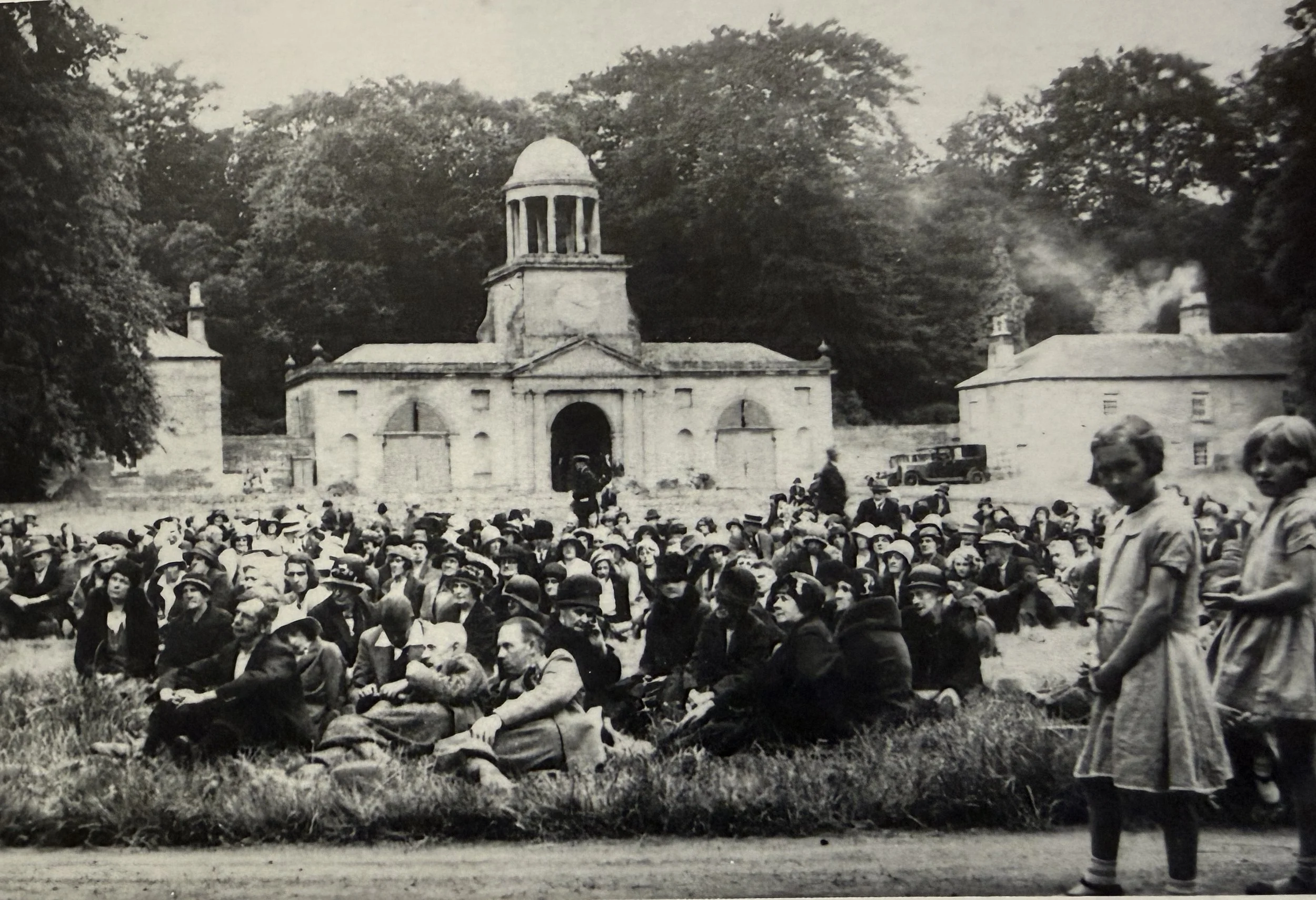
from clocktower to stable-ranges
and the heaving hump-back bridge
below the splendour of your reorientated hall
turned to face the dragon guard
– an era of omnipotence
Re-conceived as weedy wildness
We – Nature – must be withdrawn,
We heard, from the view of wealthy men.
So Sir Walter you lashed out at Our reality
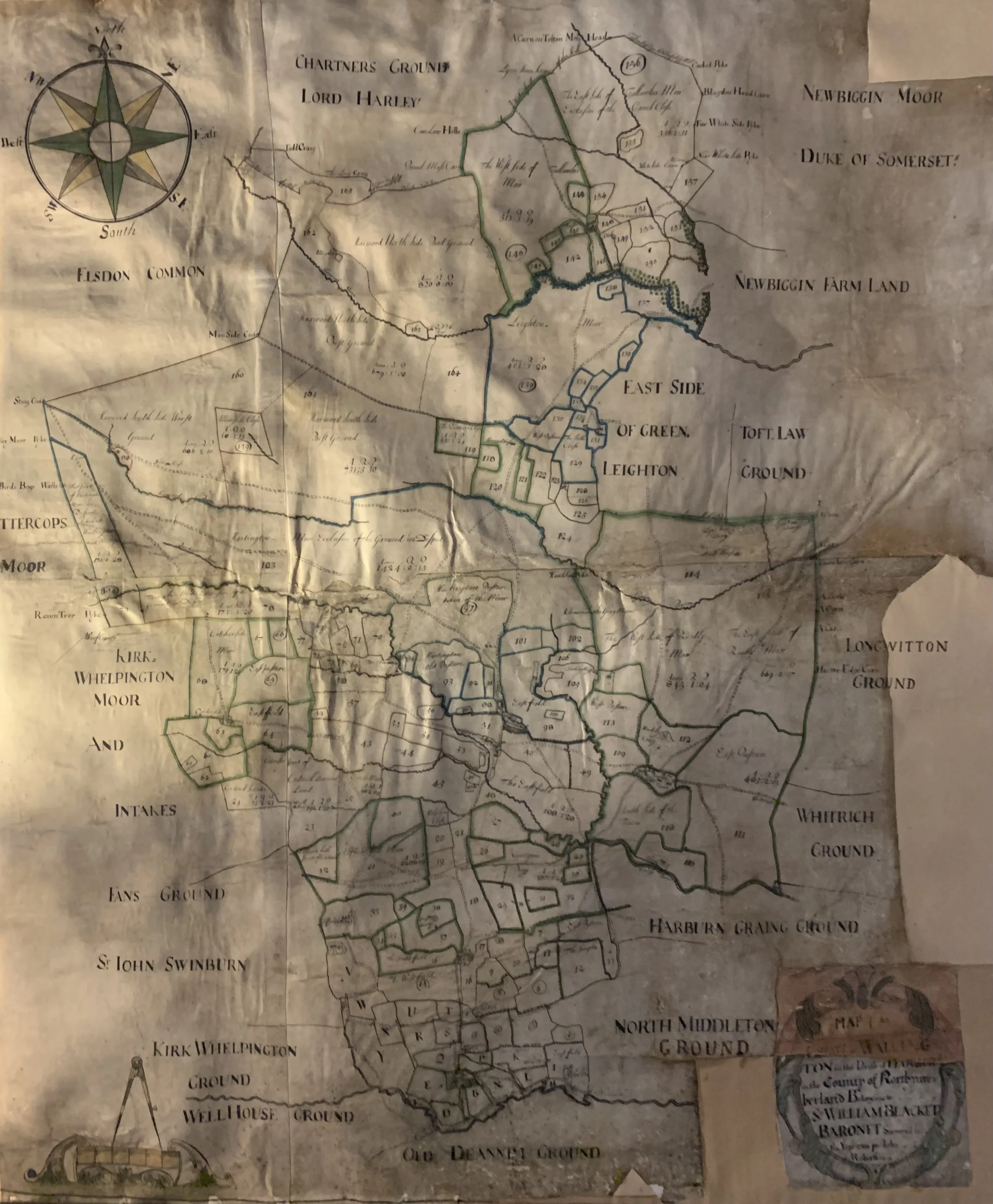
re-mapping it with your clenched fist.
Our openness enclosed as fields
Our woodland resown as parkland pearls
of majestic Oak and Beech
around Our altered water courses
dammed into pleasure ponds.
In every way We – Nature – were transformed
to civilise Our wild side.
Footnote:
1.In 1688 Sir Walter Blackett (1657-1705) (son of the wealthy merchant Sir William Blackett -1620-1680) bought Wallington and pulled down the defensive Bastle house - leaving only the basement level.
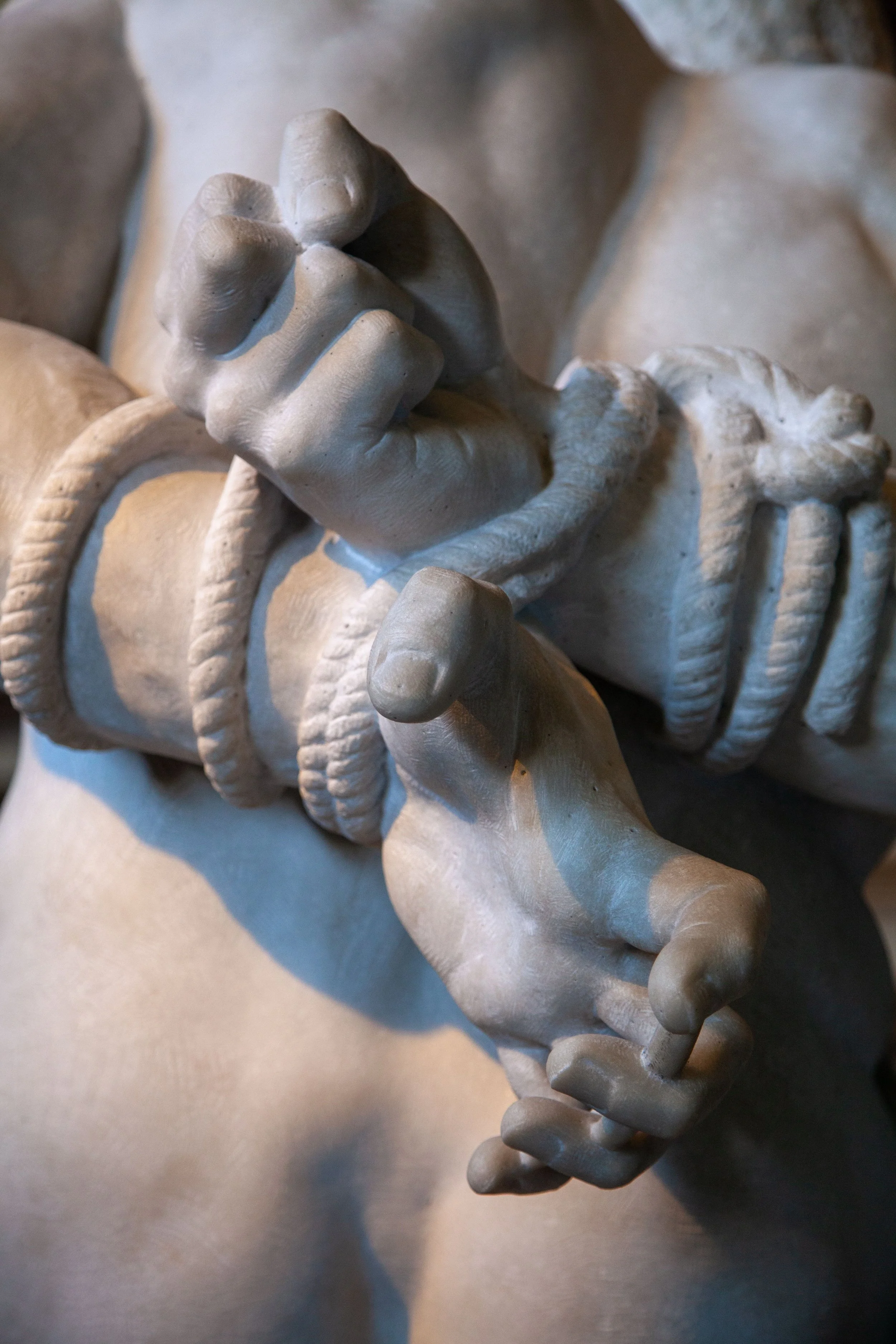
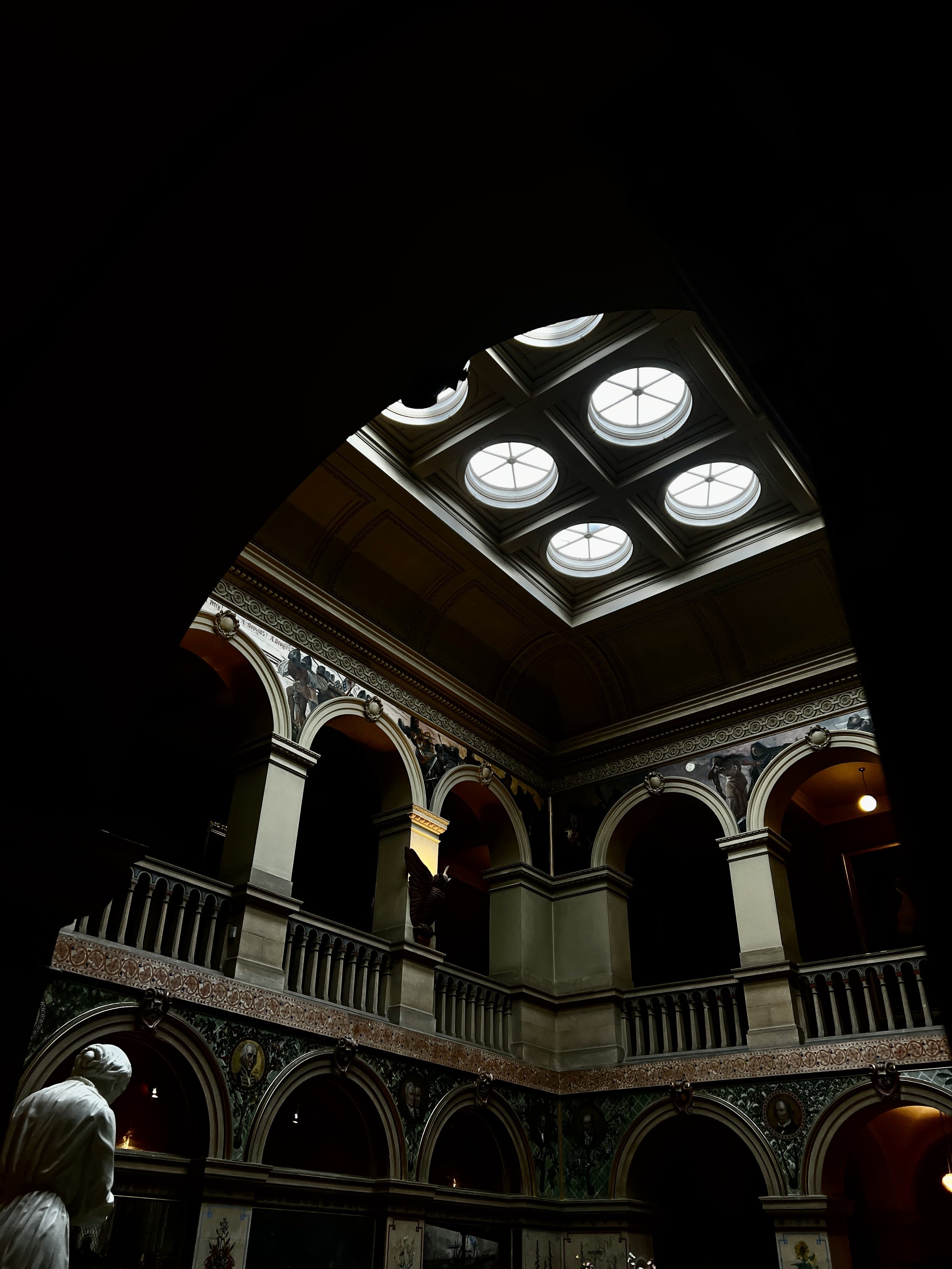
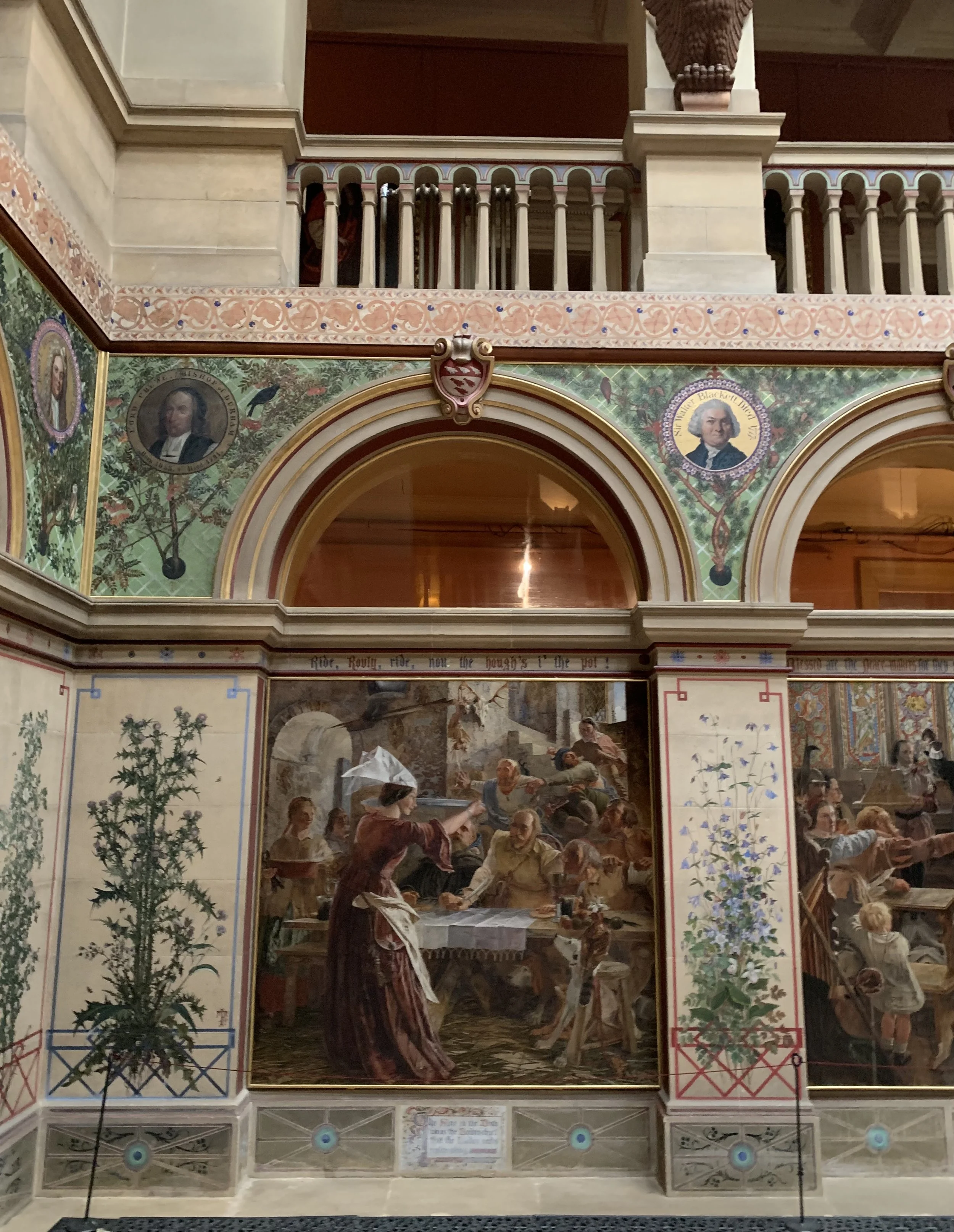
vi: The Trevelyans
With the echo of your grip
Still on your remote-held whips
lashing lives across the wide Sargasso Sea
We – Nature – felt your new nibs’ fist relax a little
here in Wallington.
Amidst your occupation with your administrative service
your women folk sometimes found their voice
and space to take the lead
glazing over inclement exposure
at the core of Wallington
Roofing your courtliness
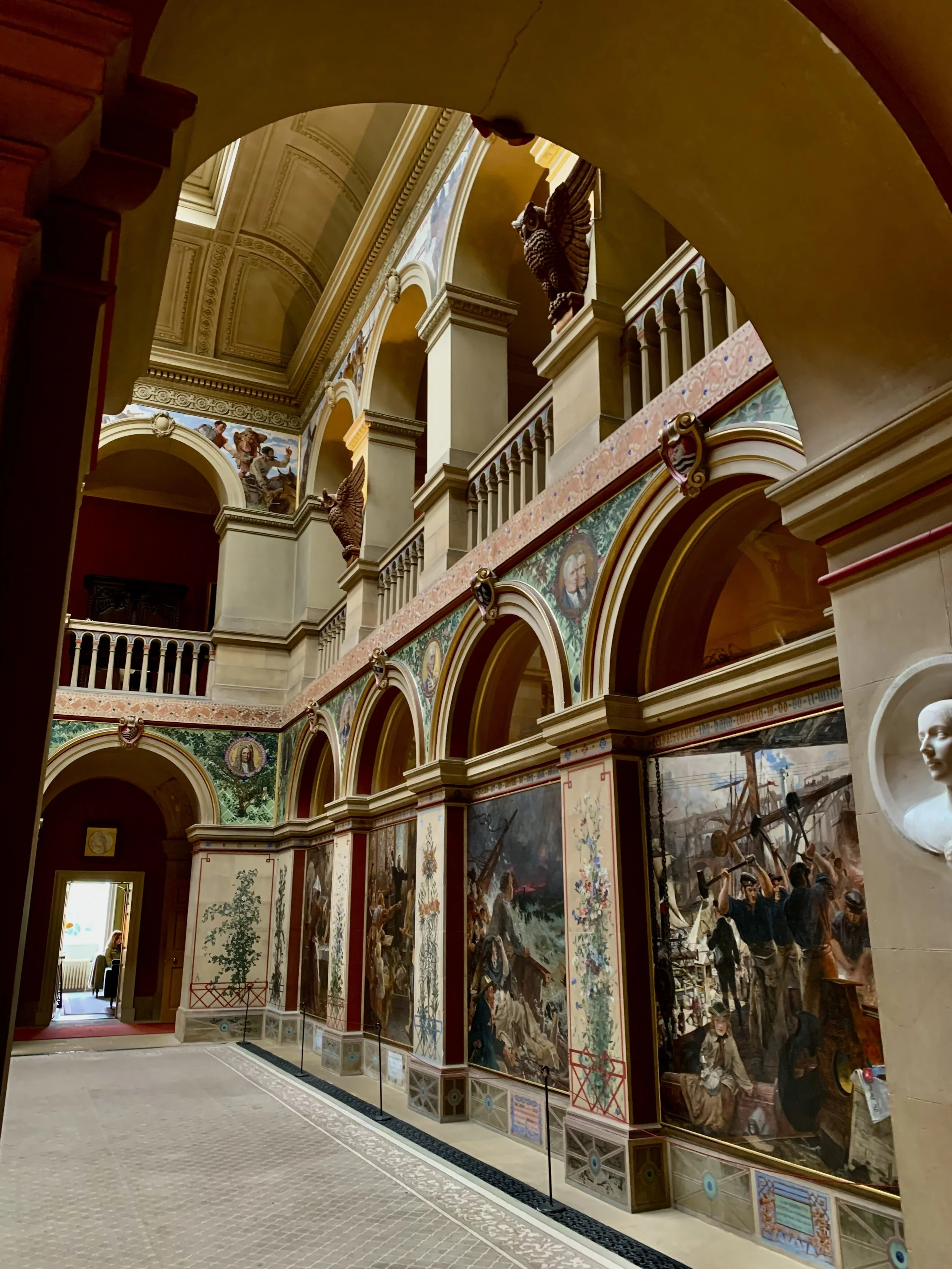
We – Flora – came to dance painterly upon your walls
as Ruskin’s moral perspective
smudged your views
with the Pre-Raphaelite brush
elevating common men onto your walls
with - at last - We - the Women Folk
When you, Sir Charles, took vast hikes
across Our heaths
beneath Our brooding skies,
step by step We - Nature - buoyed your mood
from plummeting deep into the blue. [1]
But over time you grew to know
We – Nature – offered ways to be
other than obsessed by wealth
that beat Us – at least – inadvertently.
What was trapped was freed
so you could delve
into the shadows of your wealth,
wherein We - Nature of Human Kind -
had lived, bruised, for millennia.
We wonder did your Nature walks
shift your demons – and your view?
Because We felt compassion grew
as you wandered through Our crowds of common folk.
We - Nature - sensed you hear Our needs
emerge from shadows of un-gentlemen
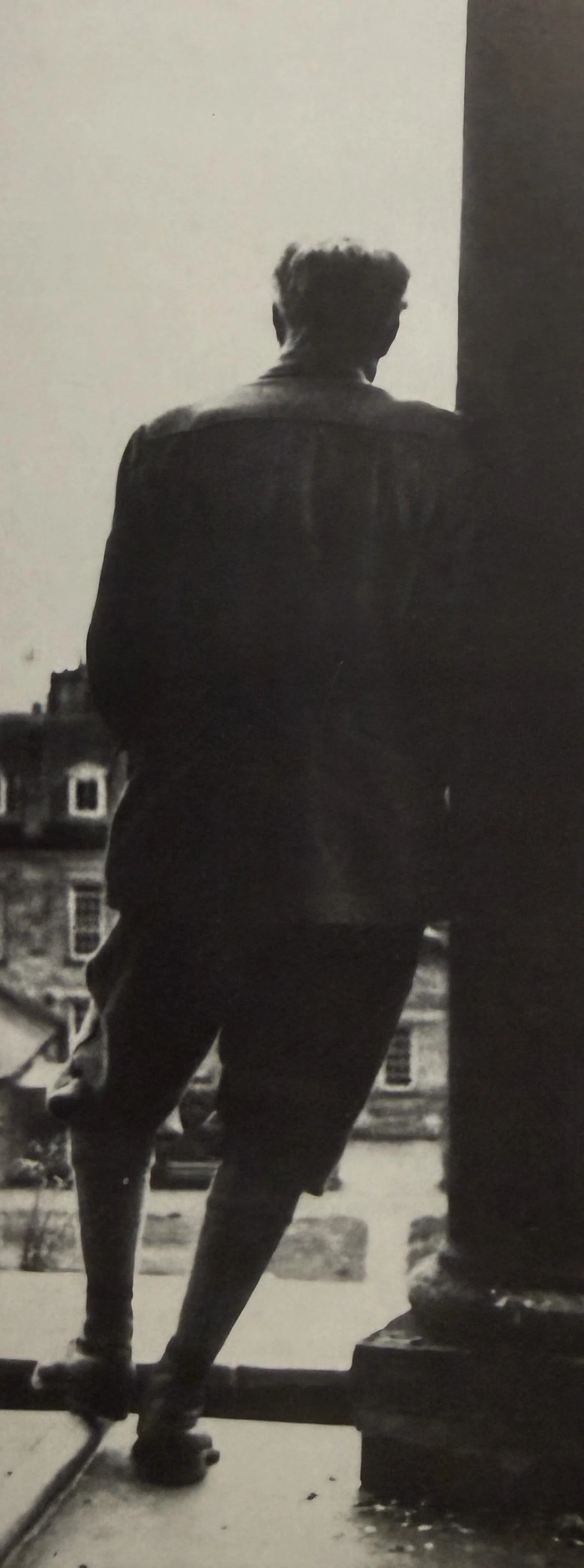
until We – Nature – watched you climb aloft
the clock tower that could not count the cost
of your vast pile weighing on Us all
as We waited to hear you call
for freedom, equality and brotherhood.
And then you declared you’d share it all
… as if, indeed, Wallington were yoursThe !
Footnote:
1.Sir Charles Trevelyan suffered from depression. this is explored in poem, The Blue Devils