Storm in a Teacup
by Jean Laurie
My great grandmother gave the story to my mother.
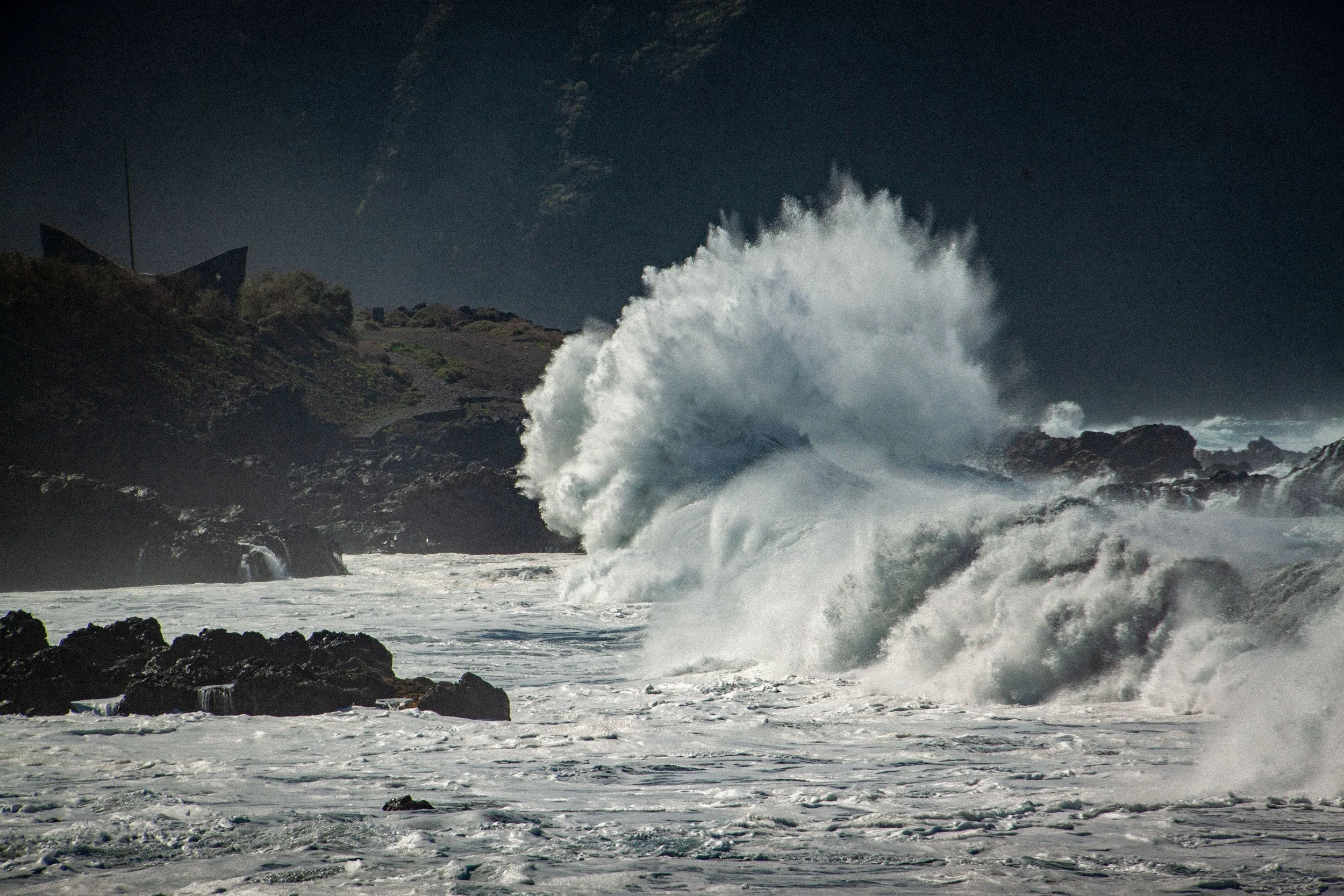
Of the night there was a high wind, not quite a storm,
and the ship roiled to the north, not quite enough
to catch on Black Midden rocks and North Shields shore.
But enough to tip overboard a crate,
which did not quite get swept away by the tide.
The crate wedged on the rocks, not so violently
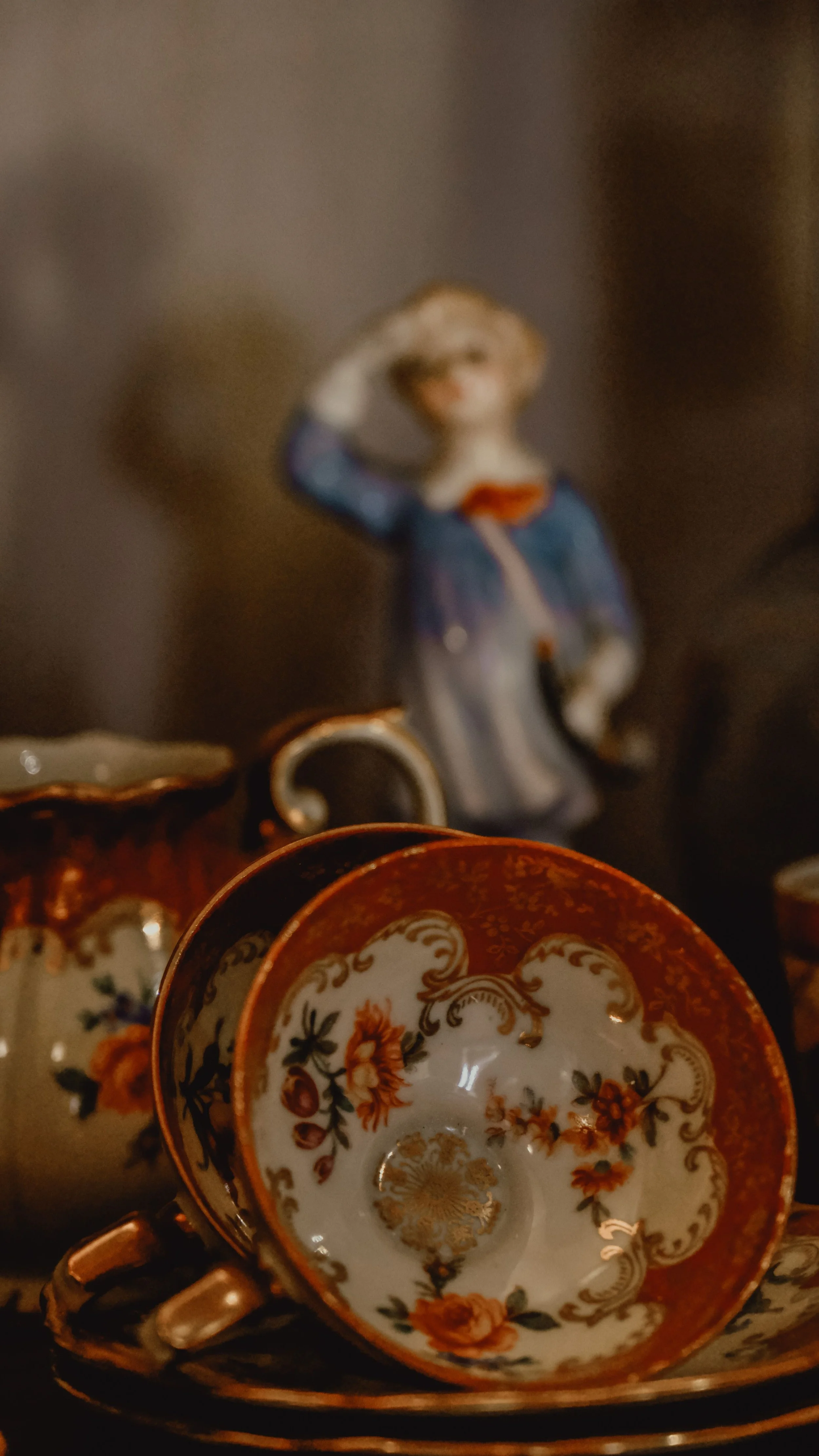
to smash the whole set of Rose Famille china,
but enough to lodge tea cups and saucers in cockly crevices.
Sand silted up the sugar bowl.
A lobster backed into the twelve-cup teapot,
laid claim to a lair fit for a queen.
The sight in dawnlight of such fragile roses,
strewn on the rocks, upset the routine
of fishwives collecting mussels and limpets
to bait the lines for night fishing.
But not as much as it upset Lady Trevelyan,
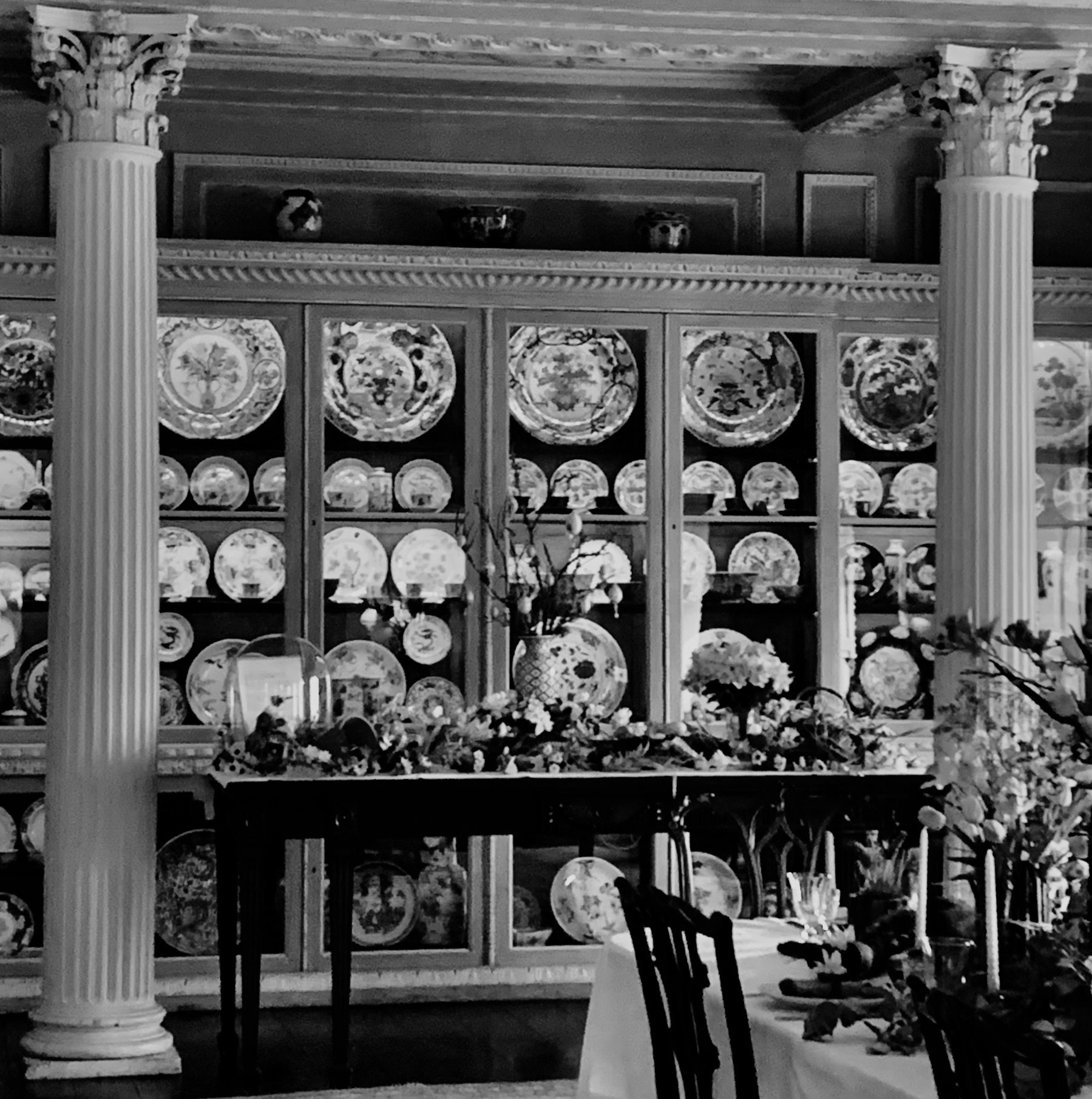
whose drawing room was bare of their design.
That evening, many a fishwife sipped tea
from translucent cups, admired the gold trim,
cocked a little finger at her Ladyship
and thanked the gift of a strong westerly.
My great grandmother got the story from her gran.
I’m passing on the roses to you.
In the 1860s, a ship lost cargo in a storm onto Black Midden Rocks at the mouth of the river Tyne. The poem is my surmise that Lady Trevelyan ordered the set of crockery and that some teacups survived. An example of the writer filling in the gaps of history.