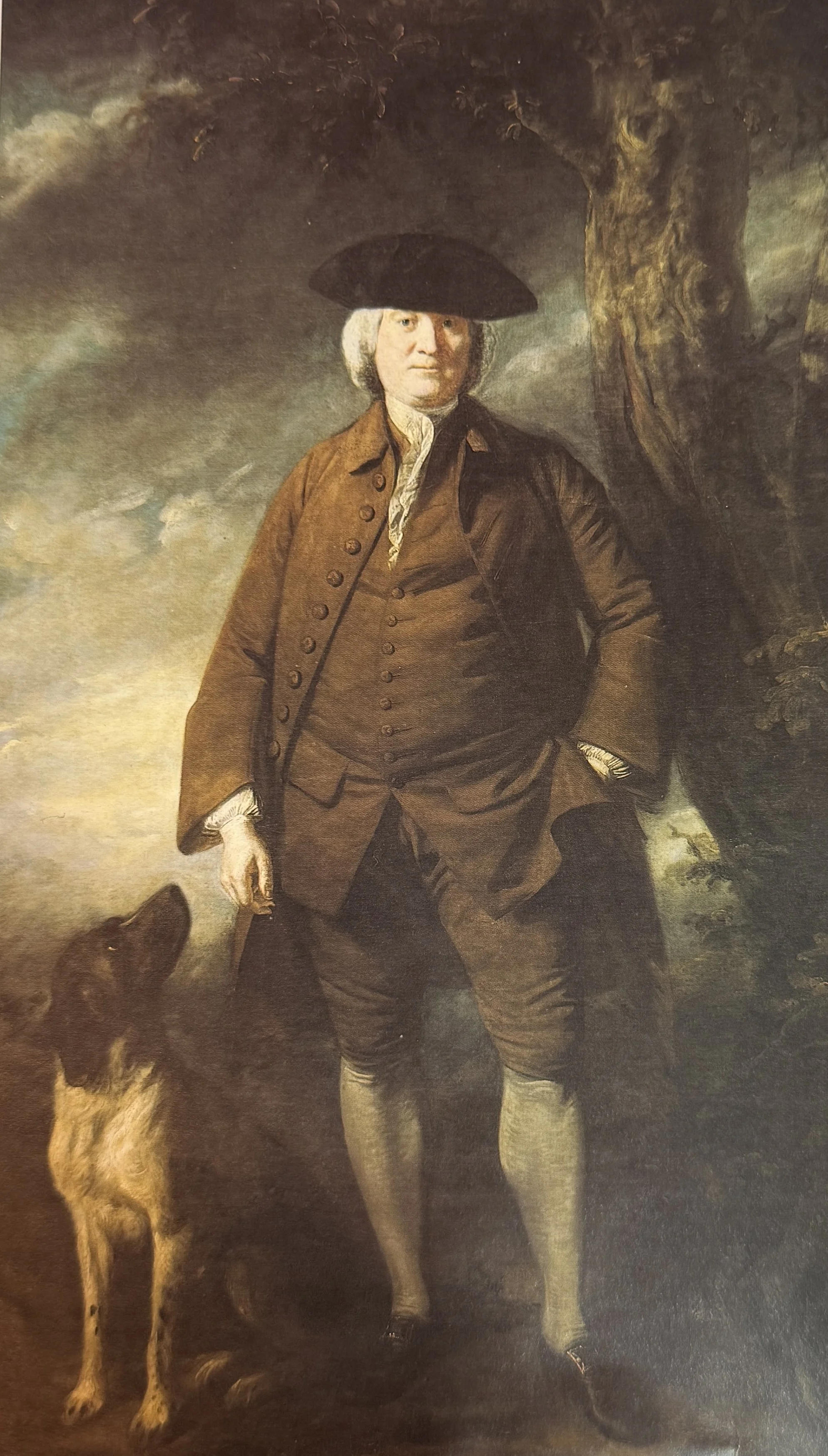
Sir Walter’s Pounding Desire
by S.C.Cullen
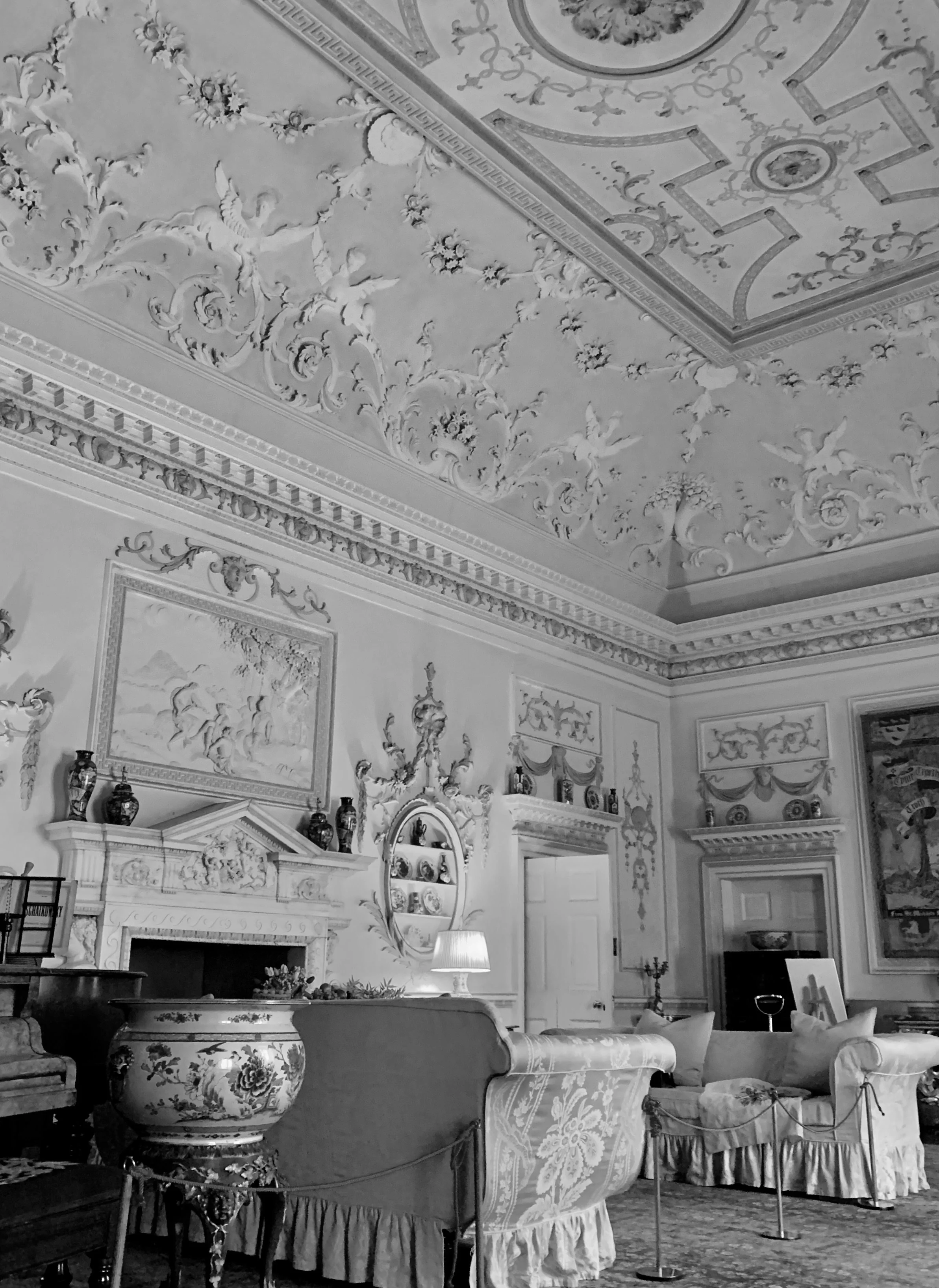
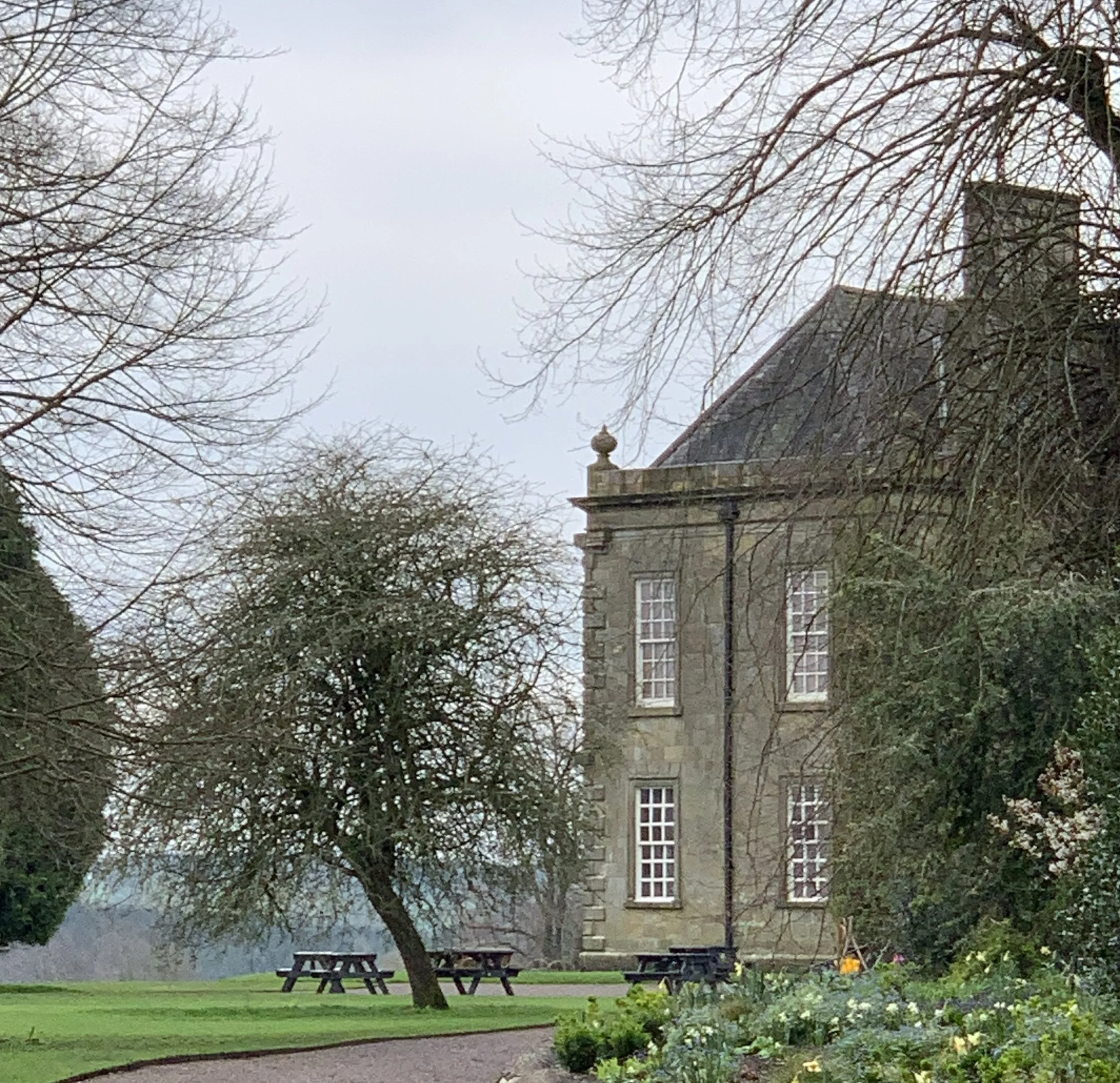
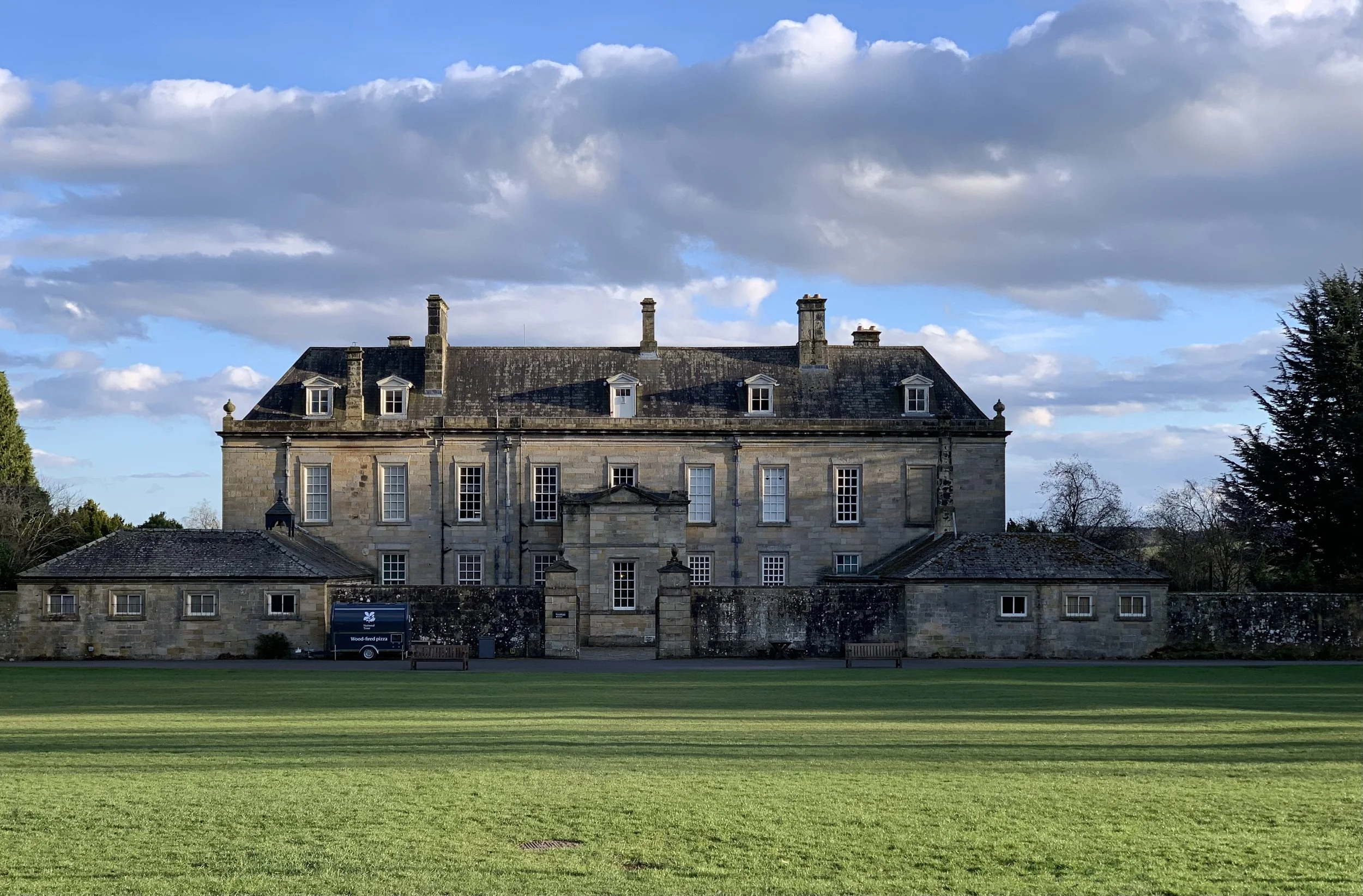
Oh the arrogance of such aspiration!
Reforming rod straight Roman roads
and meddling with medieval hamlets.
Bridging wealth
across seven streams.
Perhaps Sir Walter pounded Wallington
into this noble and well-ordered estate
to match his stature
- ‘erect and stately’.[3]
Determining that it should rise
and grow gentility
into Palladian grandeur
- like it or not (… and many of us did not!)
Inheriting while still a green wet-footed man
we all kowtowed
- shifting our lives
around his wishes
Out of ear-shot
we called him Wally,
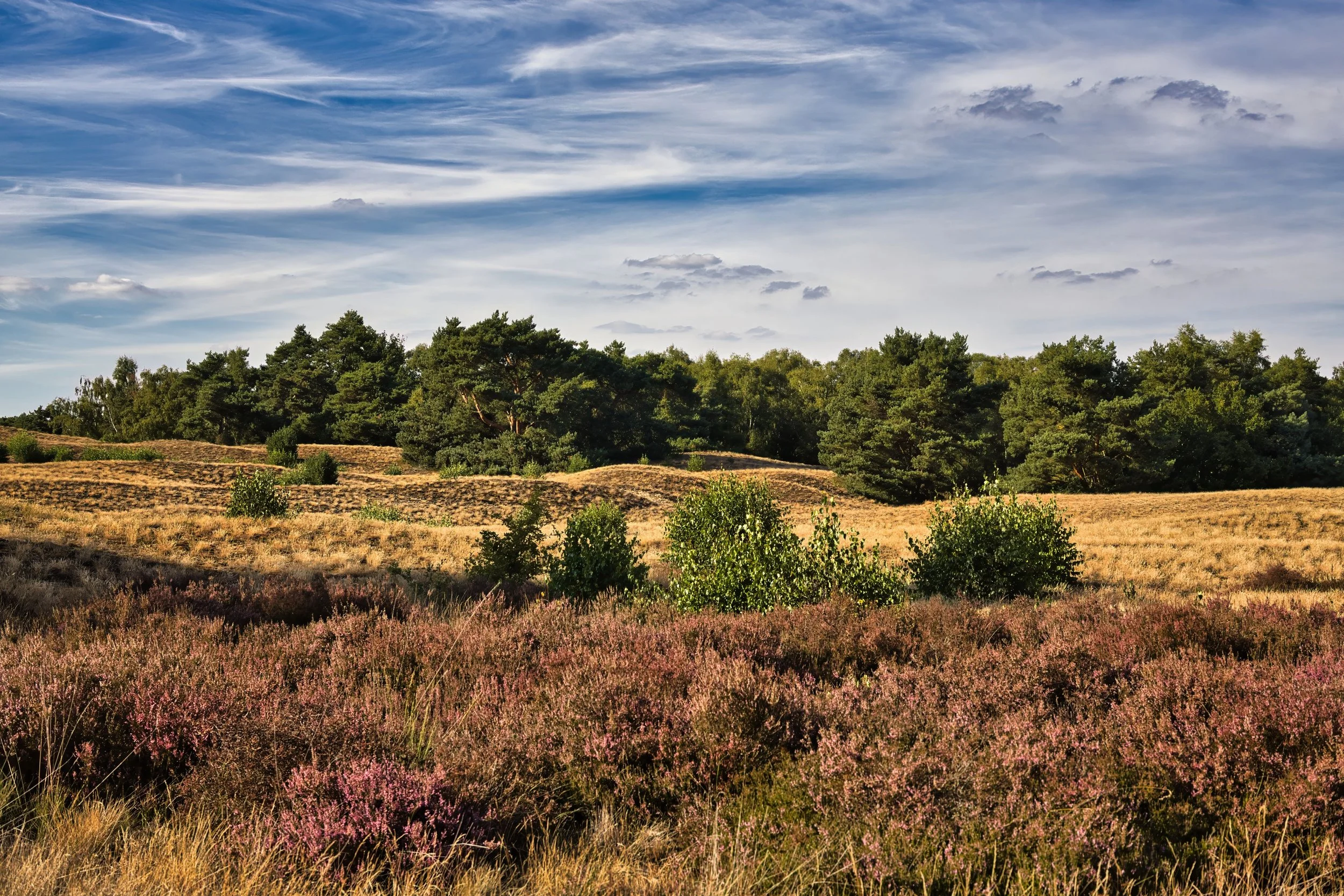
as he stood in bitter moorland winds
striking his staff
on damp sods.
But the bog sucked the stick down,
defying his desire
to control all he surveyed.
Sinking his teeth
- gritted with determination -
into the locale,
he filled ditches
and drained bogs
to ‘improve’ his vast estate
- whatever the cost.
Barely able to haul a log
his opinions of himself were strong enough
and full of bloat.
Just like his most tasteful plans for Wallington.
‘Origin is nothing’[4]
he declared -
from the vantage point of pounding wealth
served on a silver spoon
from birth.
While, a little off, most others bowed
low in pain and servitude
scraping through their scavenge days
for vittles
-and for joy.
But we still doffed our caps
and wiped dusty hands.
To give him his due
- which needy workers needs must do -
that from his bounty
he helped the poor
is true.
But whether from largesse, profit or guilt
we cannot know.
But that we twisted ourselves around his commands
watching him care for his workers
- specially the women!
So kind of him.
But
did he ask
if she, our sister, cared for
his attention?
Was it a leg up
- or just over
in a flash?
He would have her
but would he honour her
with a banqueted right hand
- even beneath the table?
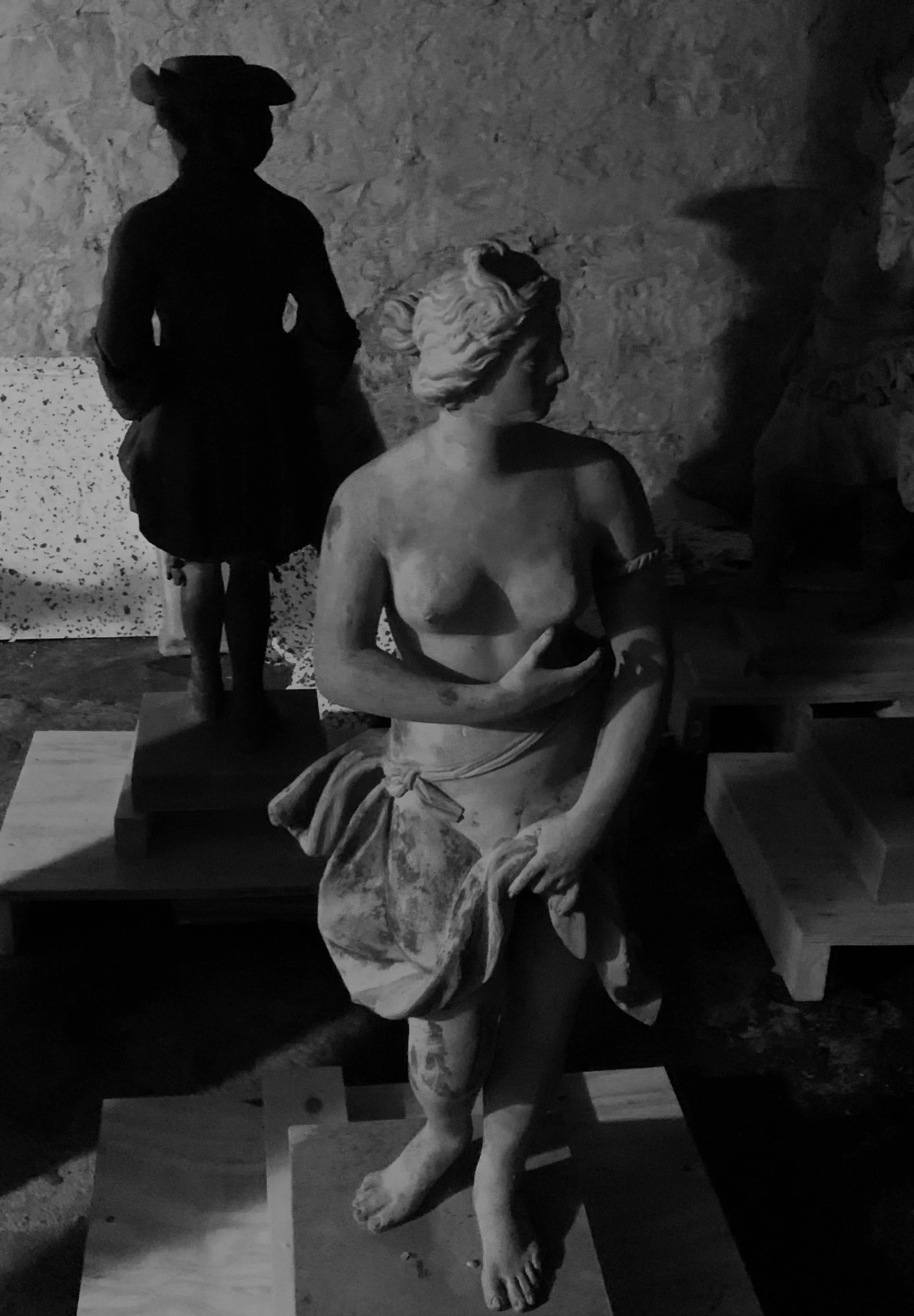
Was she just to slip on social mores
for a moment
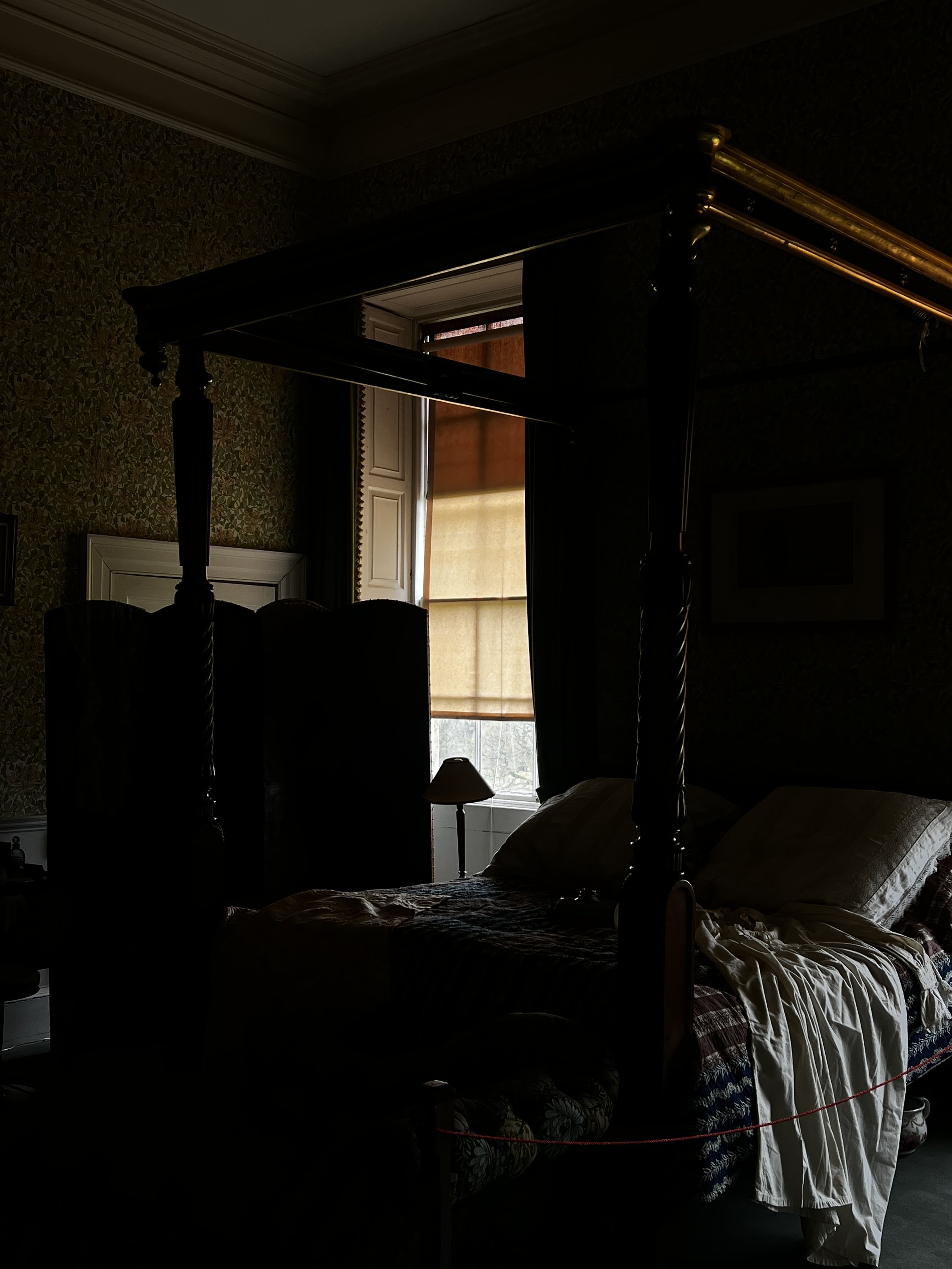
behind the curtain
as wine lubricated
conviviality
-and moral amnesia?
And while his guests moved to the drawing room
he displaced the memory
of his lost bairn
and his dear winsome wife.
We watch his eyes wander
smudging scents and sounds
A squealing
A roasting
A daughter herded away from home.
An(other) illegitimate child is born
without an Alleluia chorus
in something close to a stable.
We watch him sigh
for a moment.
And sip again
perhaps a memory glances off the gilded goblet.
But he soon turned again towards
another maid
he thought he’d save
… for dessert?
Again
to wallow in the powerless bosom
of unequal gals.
And so we ask again
Did Wally try to make amends …
… with monumental generosity
spread as wild as oats at times?
Don’t get me wrong
Noblis oblige!
Better kind than cruel
like some
But such worldly wealth could fund
so much
else
in the stead of his sweet play
with this sumptuous Palladian taste.
Footnotes:
1.Letter thought to be written by P.Poynings in 1776. Alnwick Archives.
2.The Agriculturalist, Arthur Young, visited Wallington and described the place. Young, A. Six Months Tour of the North of England. , iii, 1770. Cited in Wallington, Northumberland, National Trust; London 1994. p.11
3.Wallington, Northumberland, National Trust; London 1994. p.11
4.Cited in Wallington, Northumberland, National Trust; London 1994. p.11
In order to inherit Wallington, Sir Walter Calverly Blackett (1707-77) must marry Elizabeth, the illegitimate daughter of the late ‘rollicking’ Sir William Blackett III. They lost a young daughter, also called Elizabeth, while remodelling the estate. His wife - referred to only as pious and pure, died some twenty years before him, after which he had a reputation for being less puritanical. ‘He was greatly addicted to women, but his Amours have been chiefly among Servant Maids and Women of that Class.’[1] Sir Walter remodelled Wallington into a mansion in the Palladian style, assisted by Daniel Garrett. He transformed the estate, draining fells and moors, and building bridges. It was said that Sir Walter ‘kept many thousand hands in motion’.[2]
A poem offering a worker’s imaginary long view of Sir Walter Calverley Blackett’s improvements at Wallington