Wallington
- The Poetry of History
Introduction
Wallington - the Poetry of History is a collection of poetry inspired by the intriguing cultural, personal and natural histories of Northumbrian estate of Wallington, now owned by the National Trust. The collection will intrigue and delight lovers of both history and nature.
The anthology has grown over some years from a collaboration between local writers S.C.Cullen, Sarah Benjamin and Jean Laurie. It is presented by The Burr Press, independent Northumberland-based creative digital space and press.
Join the writers for an imaginative journey through place and time in this creative anthology.
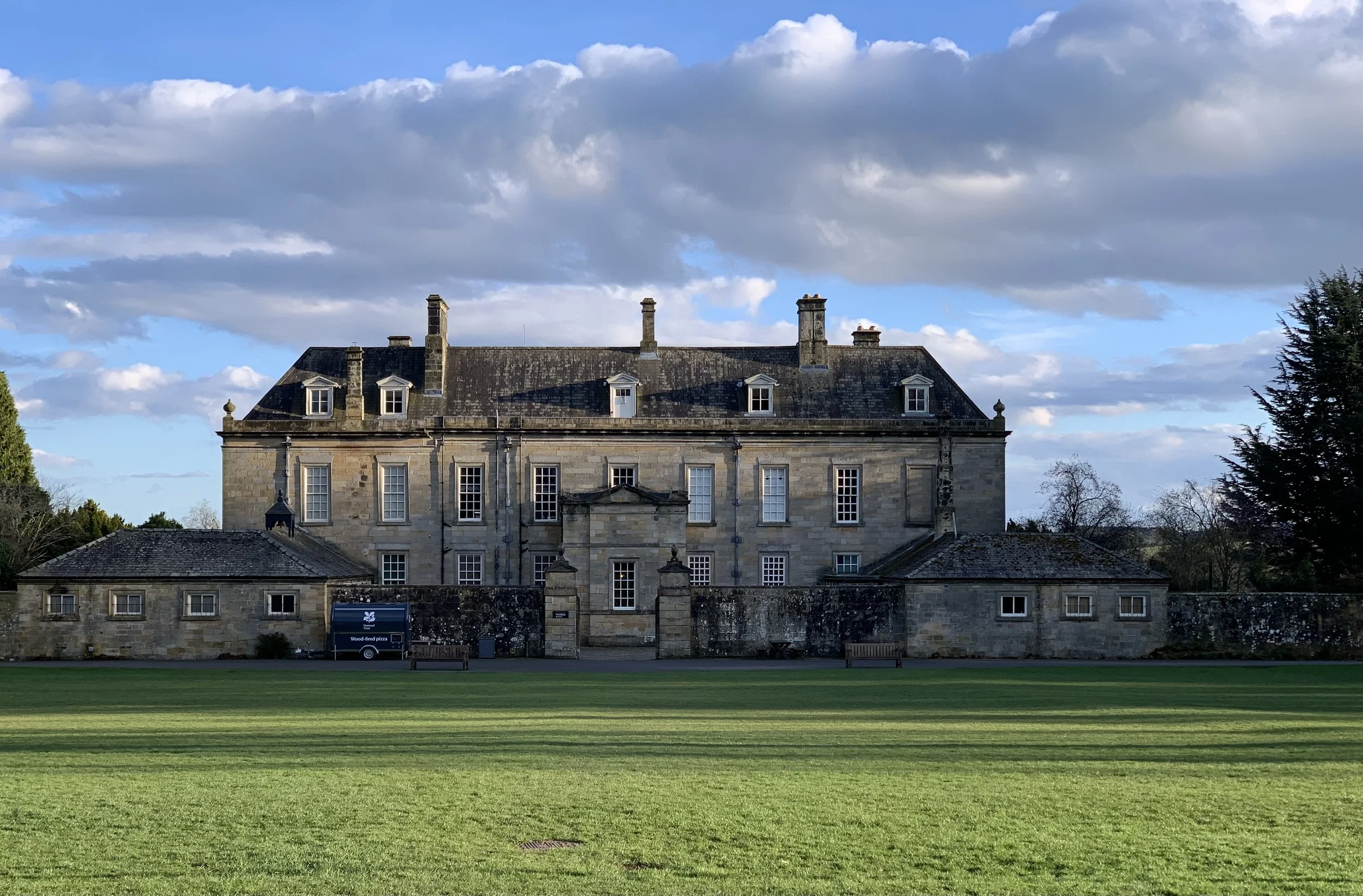
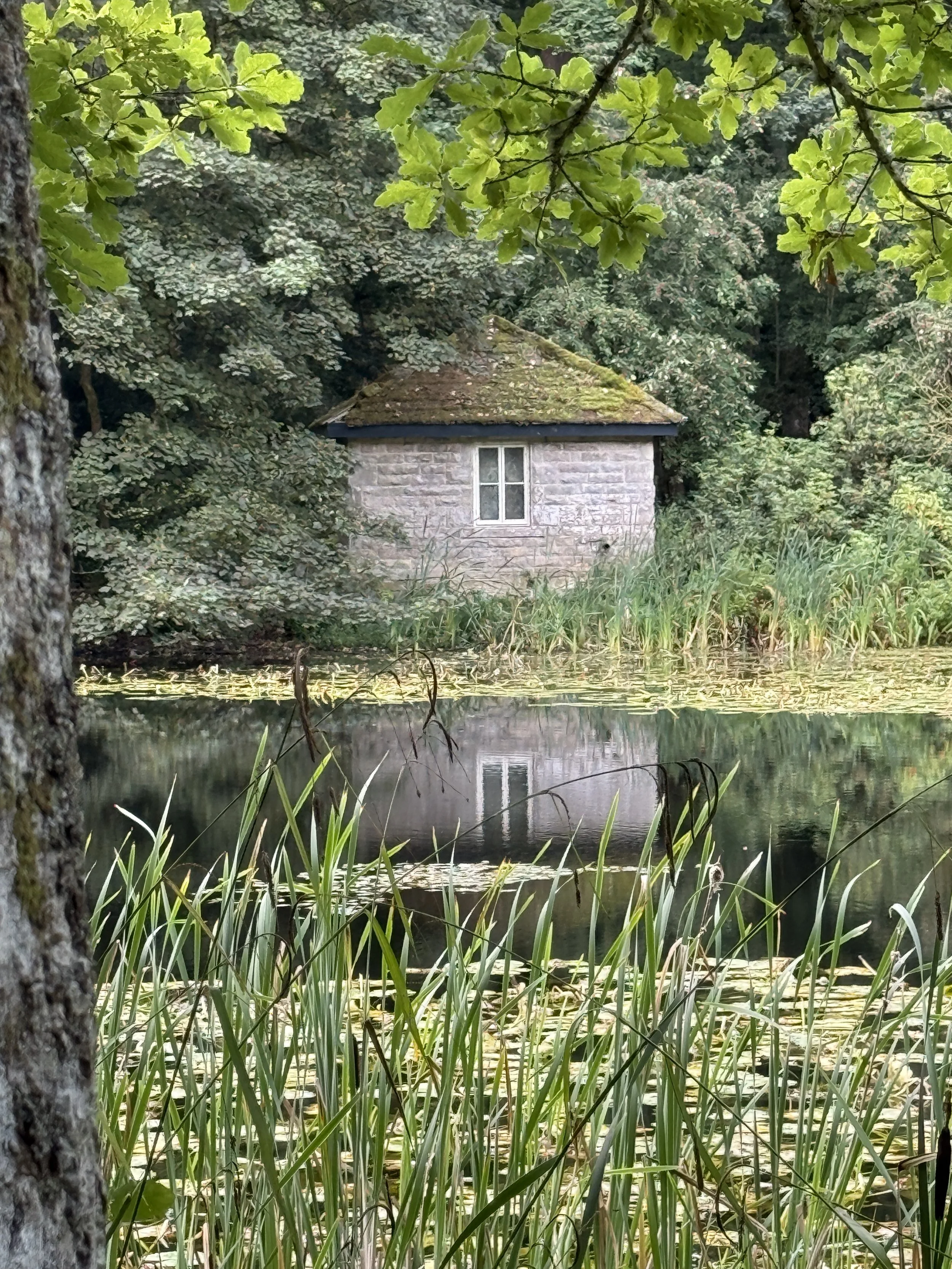
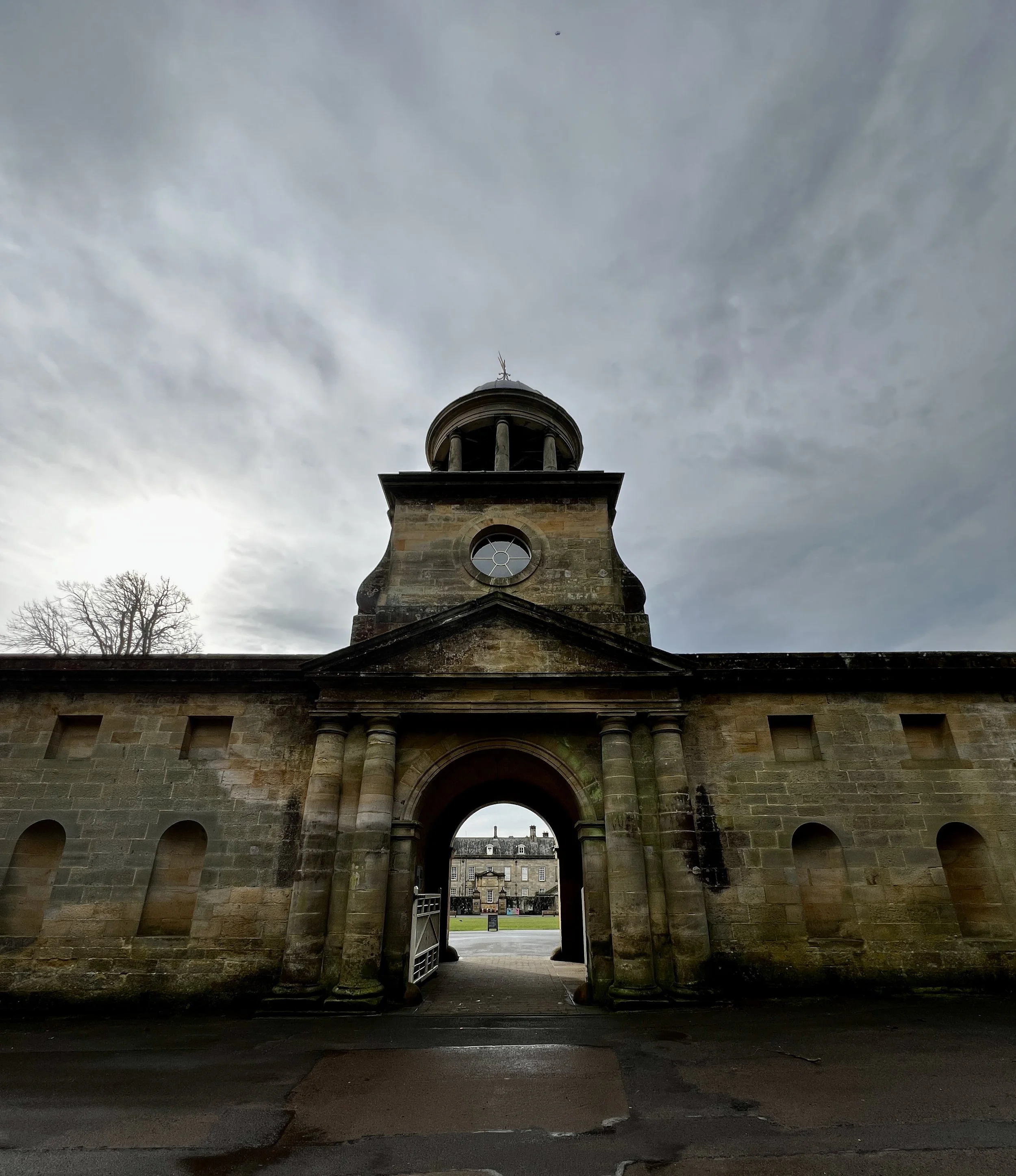
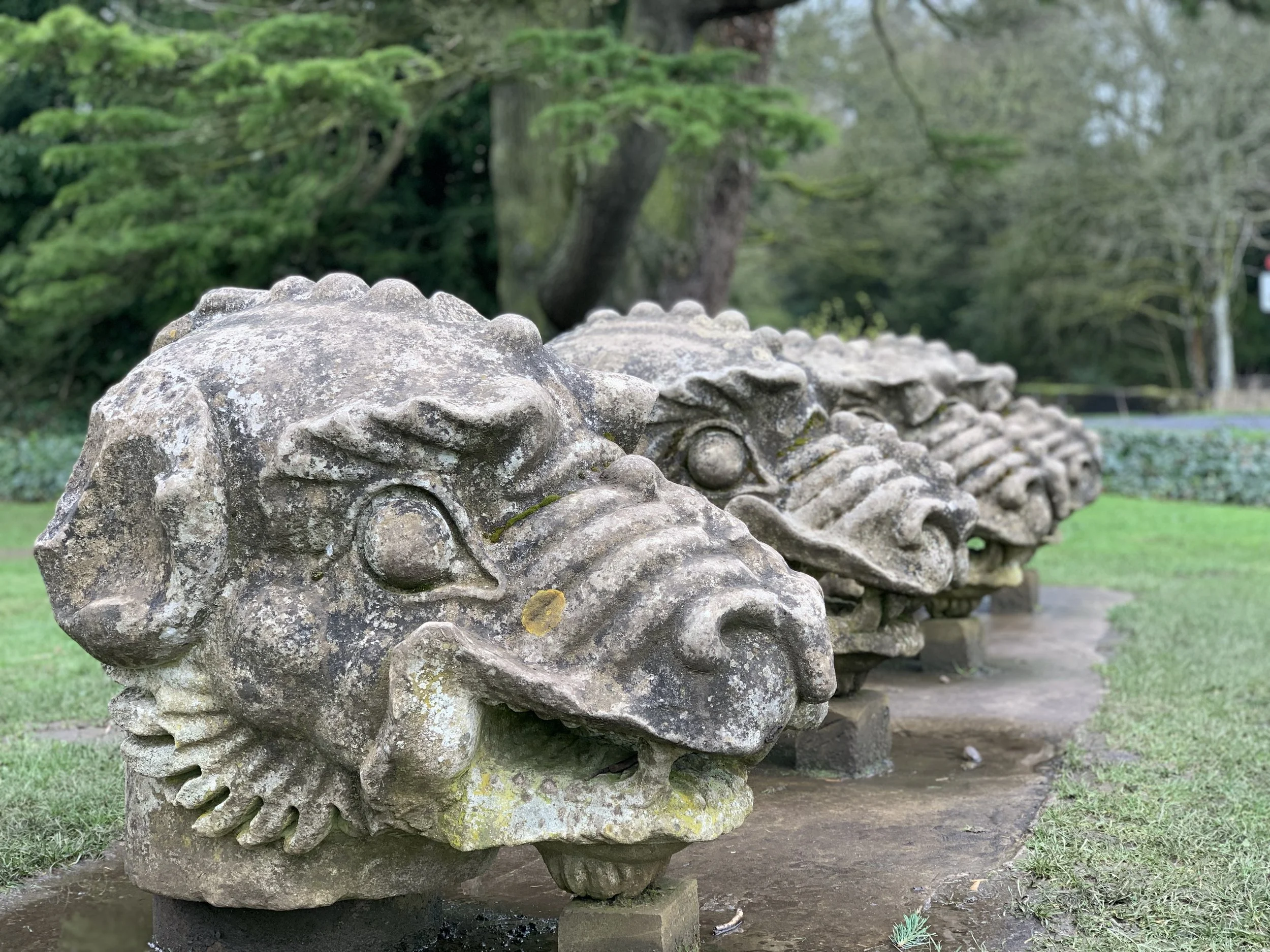
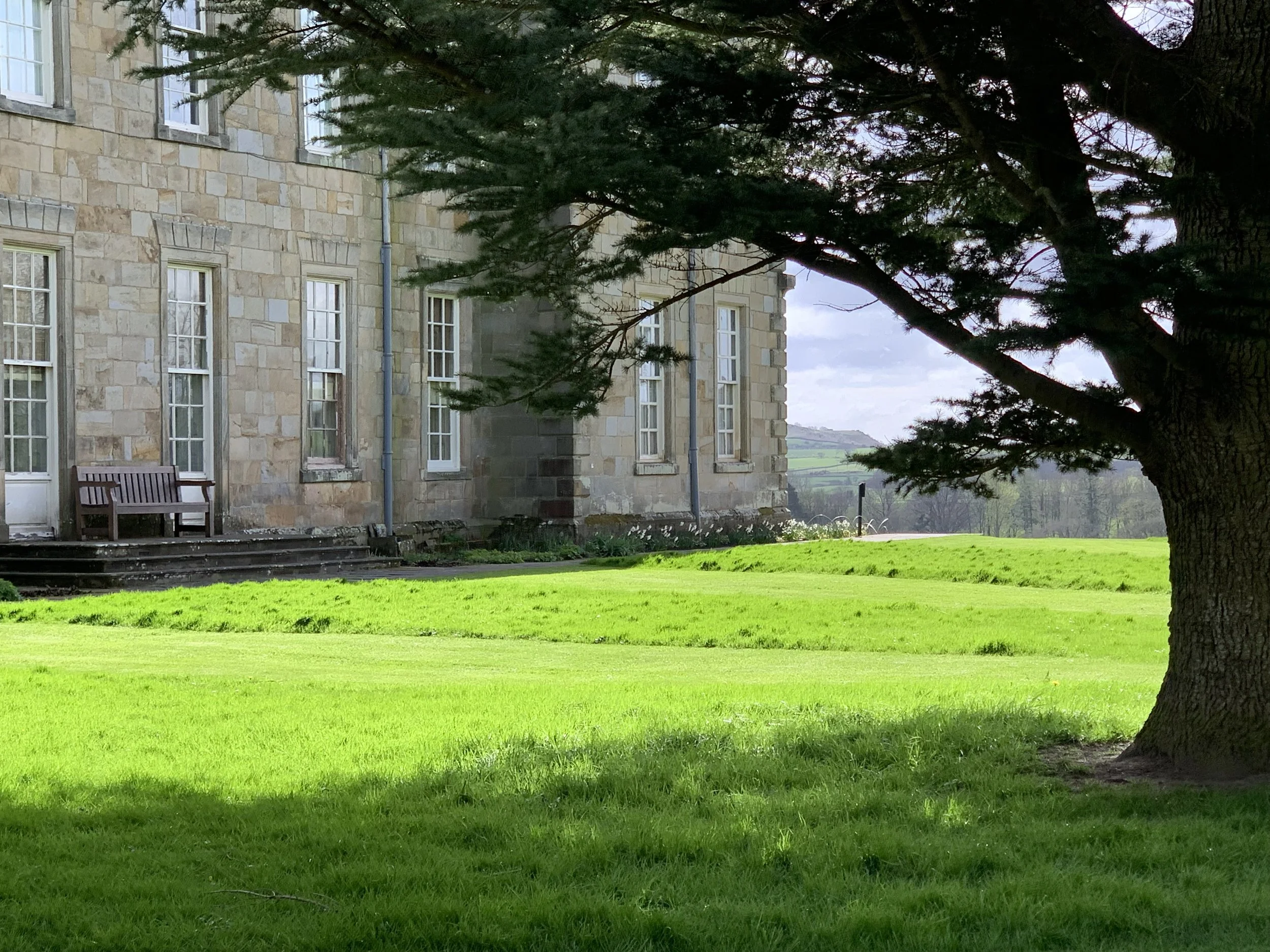
Introduction to Wallington
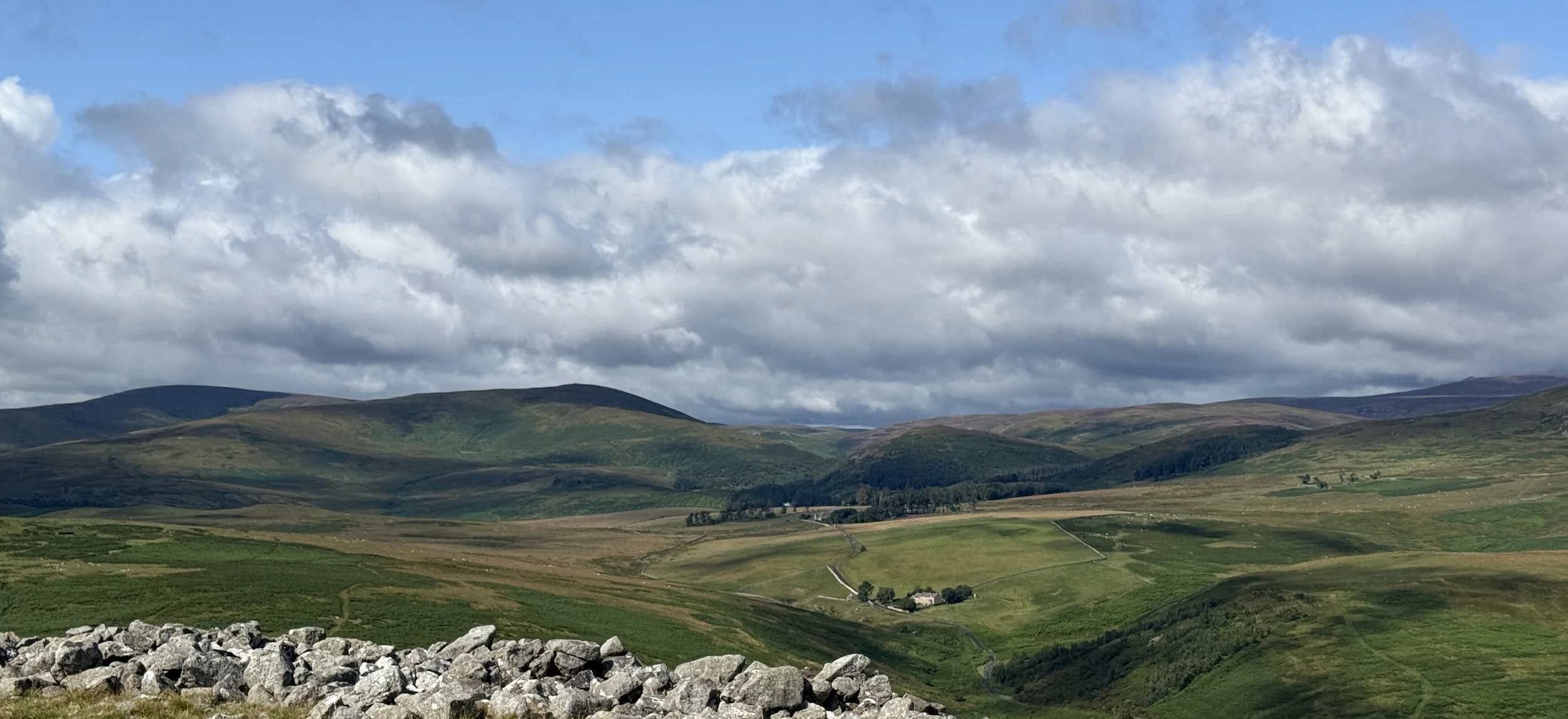
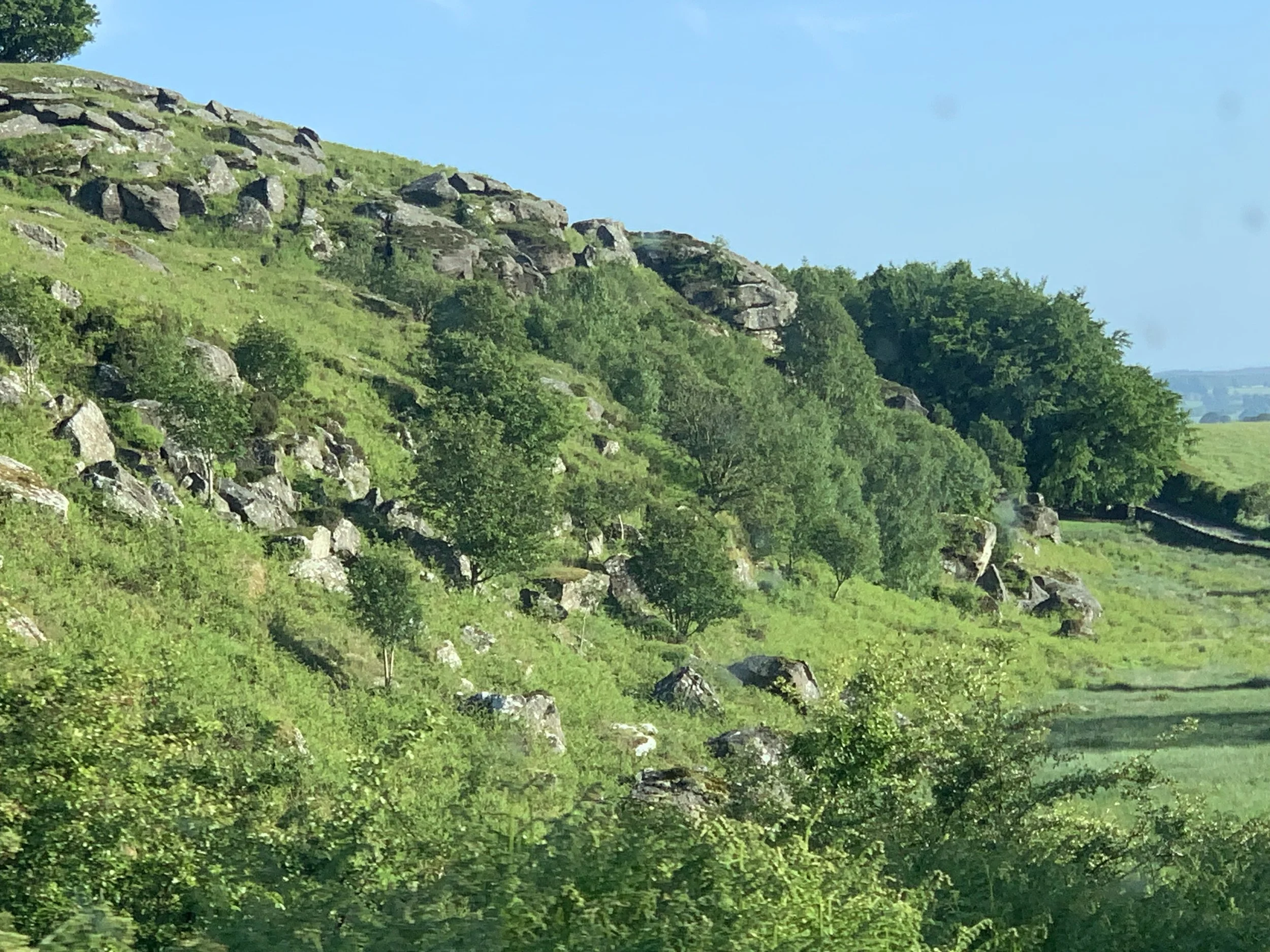
The Wallington Estate in the Middle Marches of Northumberland stretches from Shaftoe Crags northwards almost as far as Simonside – the weathered foothill of the Cheviots range that have been an in-between borderland countryside between England and Scotland. The land that became the Wallington Estate was wild, with open moorland throughout – punctuated by crags, bog, wet and dry heathland – much as it is still now in its northern reaches towards Simonside – where neolithic fortifications can be found, with cup and ring markings demonstrating the early inhabitants.
The rock is largely limestone, from which the houses and their mortar derive. However, the habitats were changed markedly as heather was burned to enable shooting, and the moors were drained to make farmland. These practices persisted until recently when important changes were made by the National Trust.
The first know building at Wallington was a castle likely built by the Barons Bolbec after the Norman conquest. The Bolbecs moved further north after having established the White Monks in what became known as Blanchland, County Durham. The new base is likely to have been a fortified Bastle house or Peel (or Pele) tower known as Wallington Castle - of which little remains.
Such strongholds – with defensive accommodation created vertically rather than horizontally – were built along the borderlands between England and Scotland to defend against Border Reivers - family groups from both England and Scotland who raided the border area between 14th - 17th Centuries. People would retreat into their defensive building with their livestock and possessions, and remain, sometimes for weeks, until the Reivers had moved on.
A survey in 1562 described the Wallington site as a ‘strong tower and stone house in good reparations’.[1] By then it was inhabited by the Fenwick (or Fenwicke) family - a fierce marauding clan - who married into the Strother family in the fourteenth century.
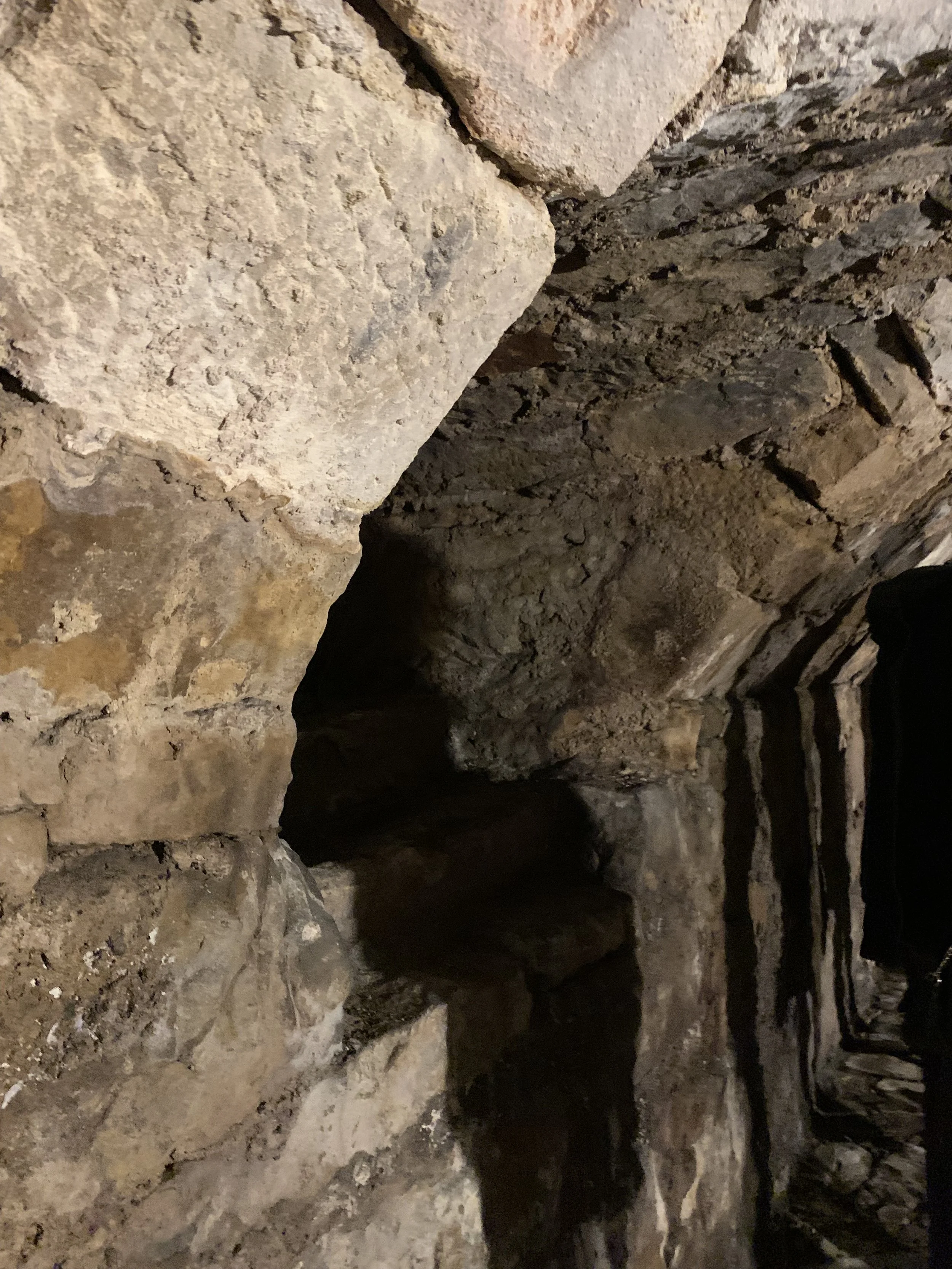
Sir William Blackett II bought the estate from one of the Sir John Fenwicks - who was later hanged as a Jacobite. Blackett rebuilt the house as a hunting lodge with the stone from the castle. The ground floor of the Norman defensive house became the vaulted cellars of the later shooting lodge - still visible today. His son, William Blackett III inherited when we was just sixteen and is known for his wild parties, including up at Shaftoe Crag – with ‘drink maddened crowd’.[2]
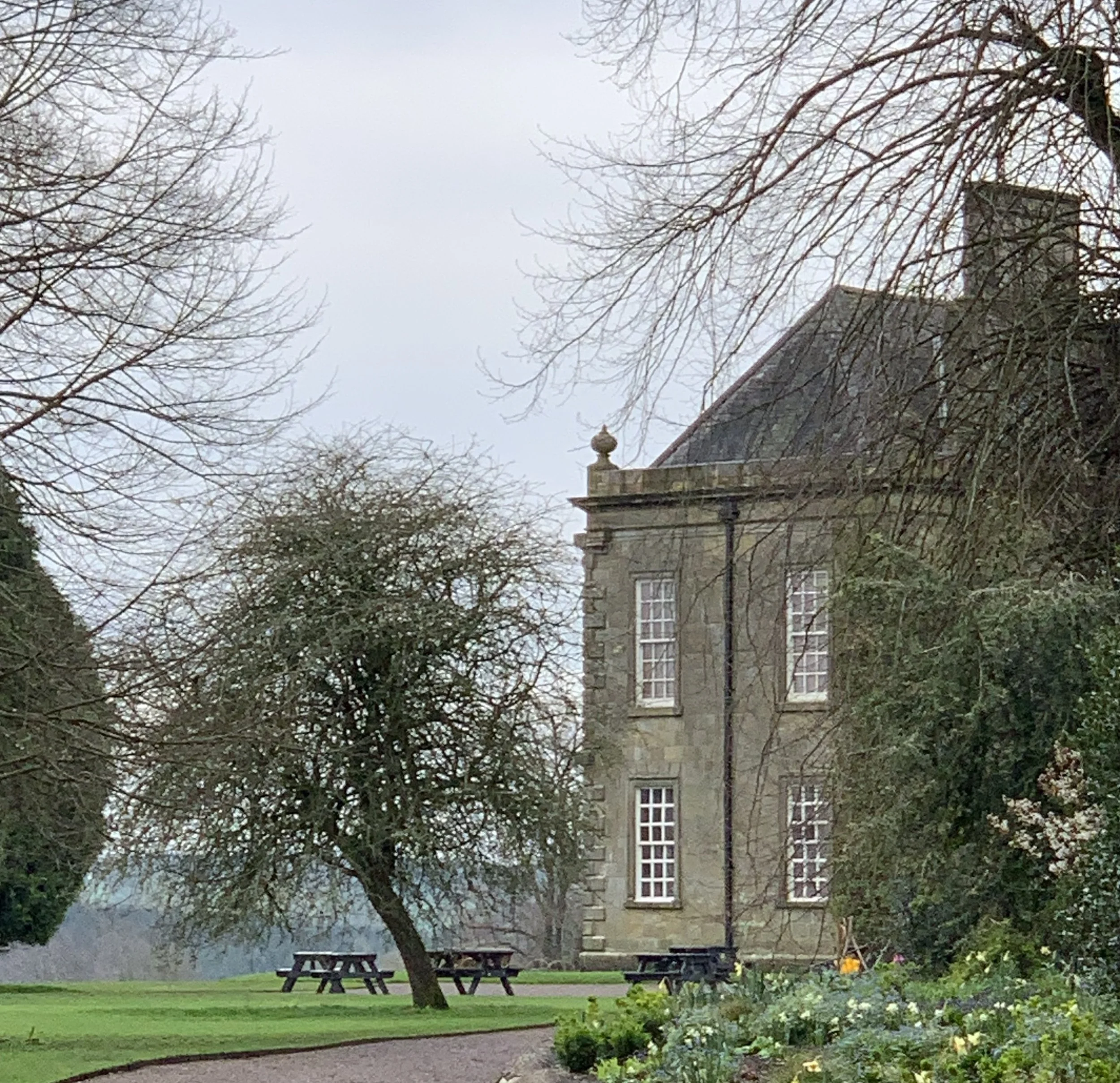
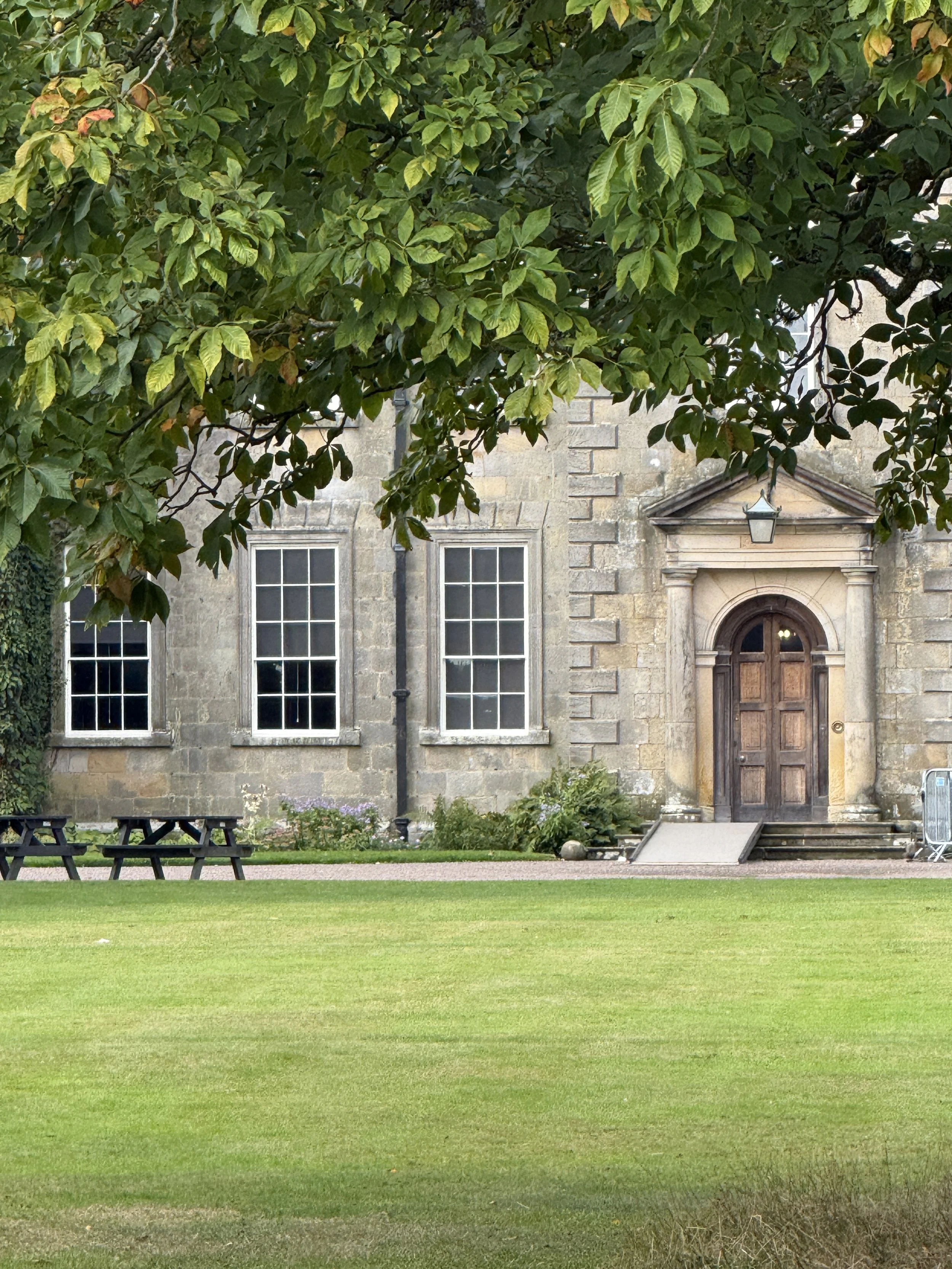
By promising to take the Blackett name and marry his uncle’s illegitimate daughter, Elizabeth, Sir Walter Calverley Blackett inherited Wallington in 1727. He set about a major reordering of Wallington Hall and the land, transforming it into the estate with the grand Palladian Hall we know today, with grounds thought to have been designed by Capability Brown - the renown landscape designer behind many of England’s grand parklands - who was born in nearby Kirkharle.
The Trevelyan family, that had close connections to slavery, then inherited Wallington. Family members served in many governmental administrative positions. In the nineteenth century Pauline and Walter Trevelyan commissioned John Dobson, architect of much of Newcastle’s grand architecture, to redesigned and roof over the central courtyard, following Ruskin’s principles. They commissioned William Bell Scott, a disciple of the Pre-Raphaelite painters ‘to illuminate the histories and worthies of Northumberland’[3], in the form of murals that included many indigenous flora. Sir Charles Trevelyan became a Socialist MP for Newcastle, and then promised the Estate to the National Trust in 1937.
As part of their restoration project, in recent years the National Trust has begun rewinding, including reintroduced beavers to the estate as part of their rewilding project - to reestablish wetlands and prevent flooding downstream. Beavers became extinct in England in the fourteenth century.
Footnote:
1.Cited in ‘Wallington, Northumberland’, National Trust, London 1994. p.7.
2.William Robson of Cambo wrote about in a poem. Opus cit.p.10.
3.The brief given to Scott by the Trevelyans. Opus cit. p.56