
Beausejour
[1]
by Sarah Benjamin
The young lady sips her tea
Sweetened with sugar from Papa’s plantations
Her fingers tender tendrils
around the fine porcelain
Trained in the strains of
needlepoint and piano forte
Eggshell fragile
Pale as a bloodless papercut
A vacant vampire
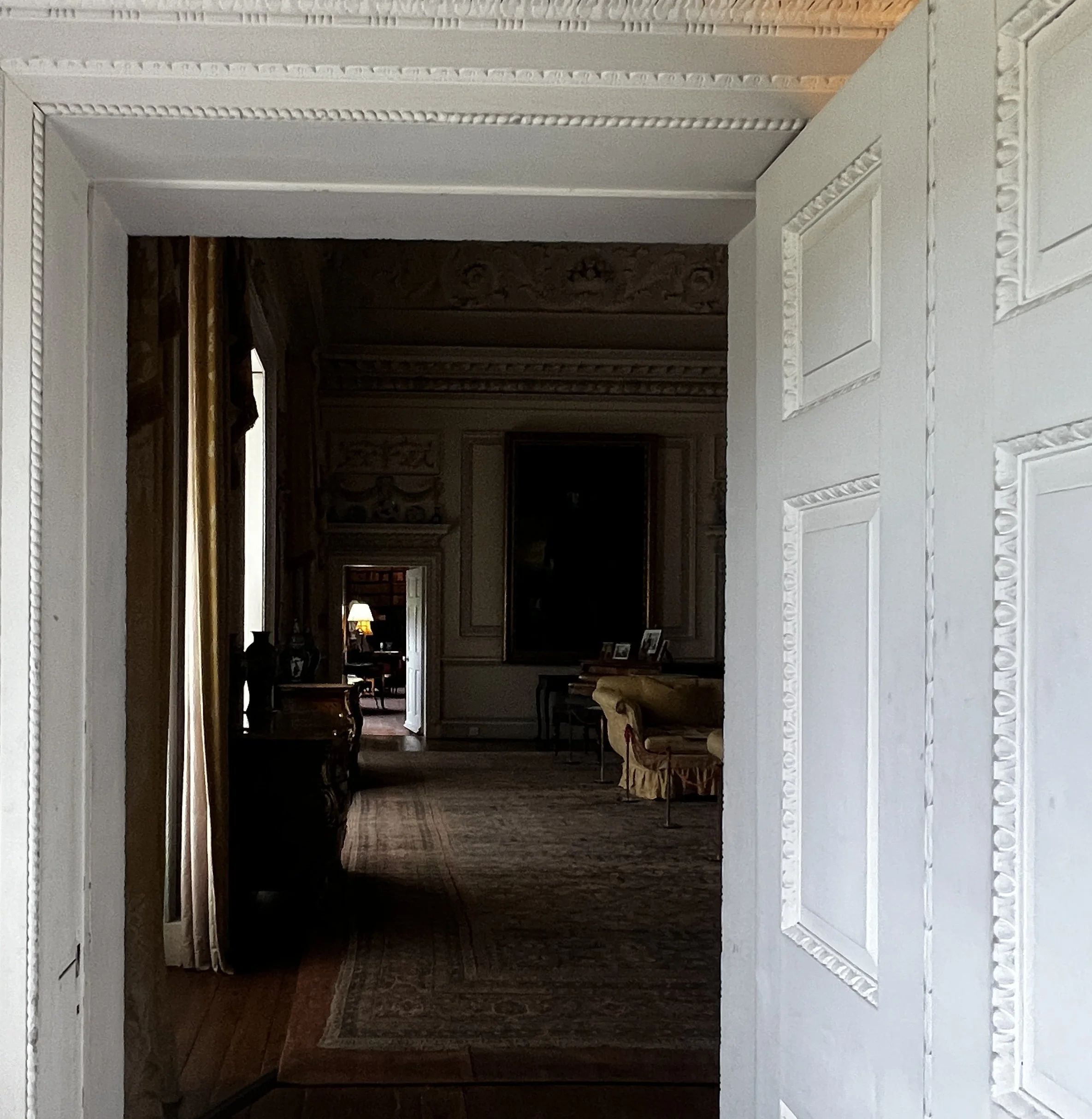
Waiting as Papa talks with the young man in the study
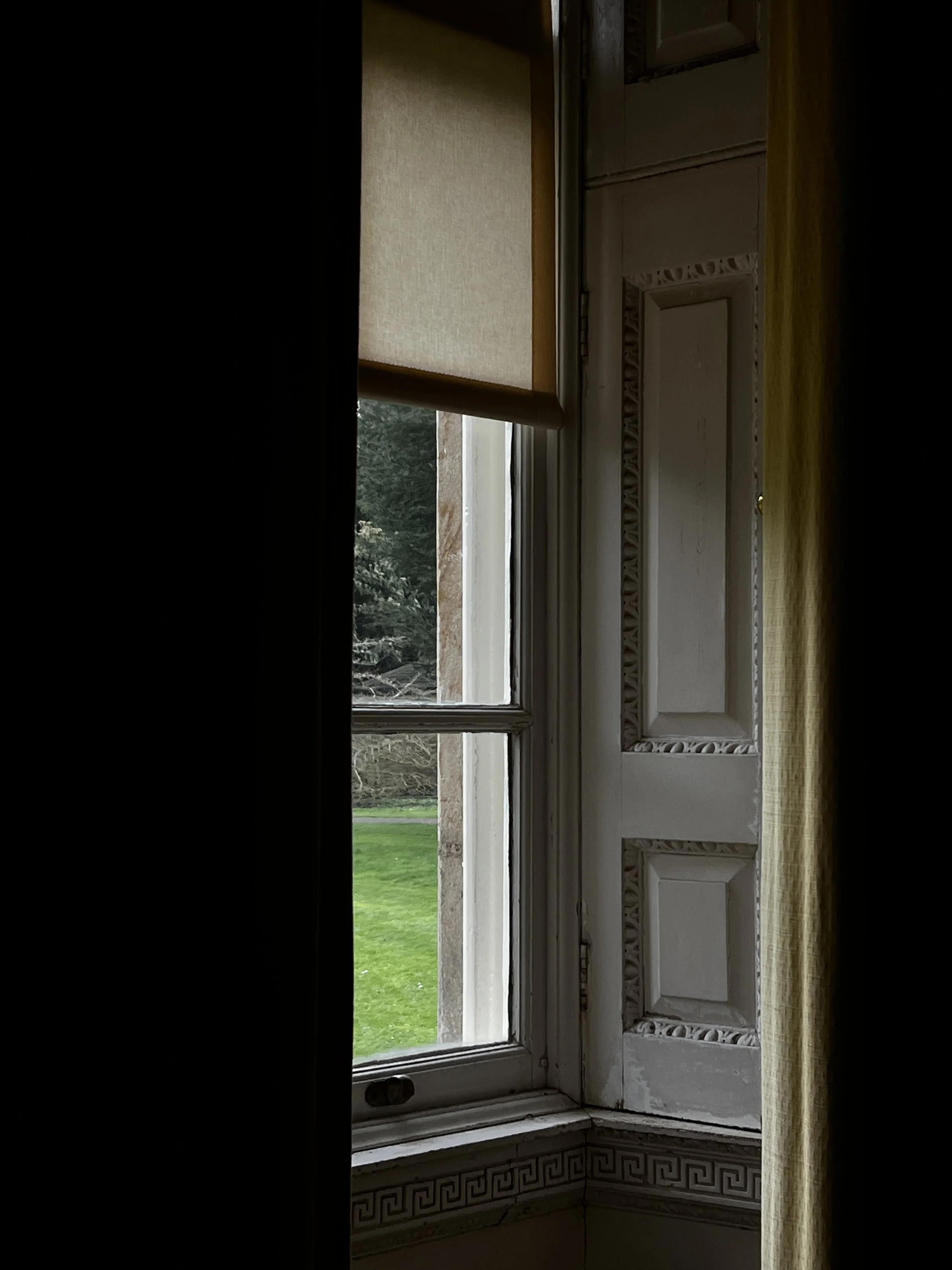
She stares out at the rain-stained lawns
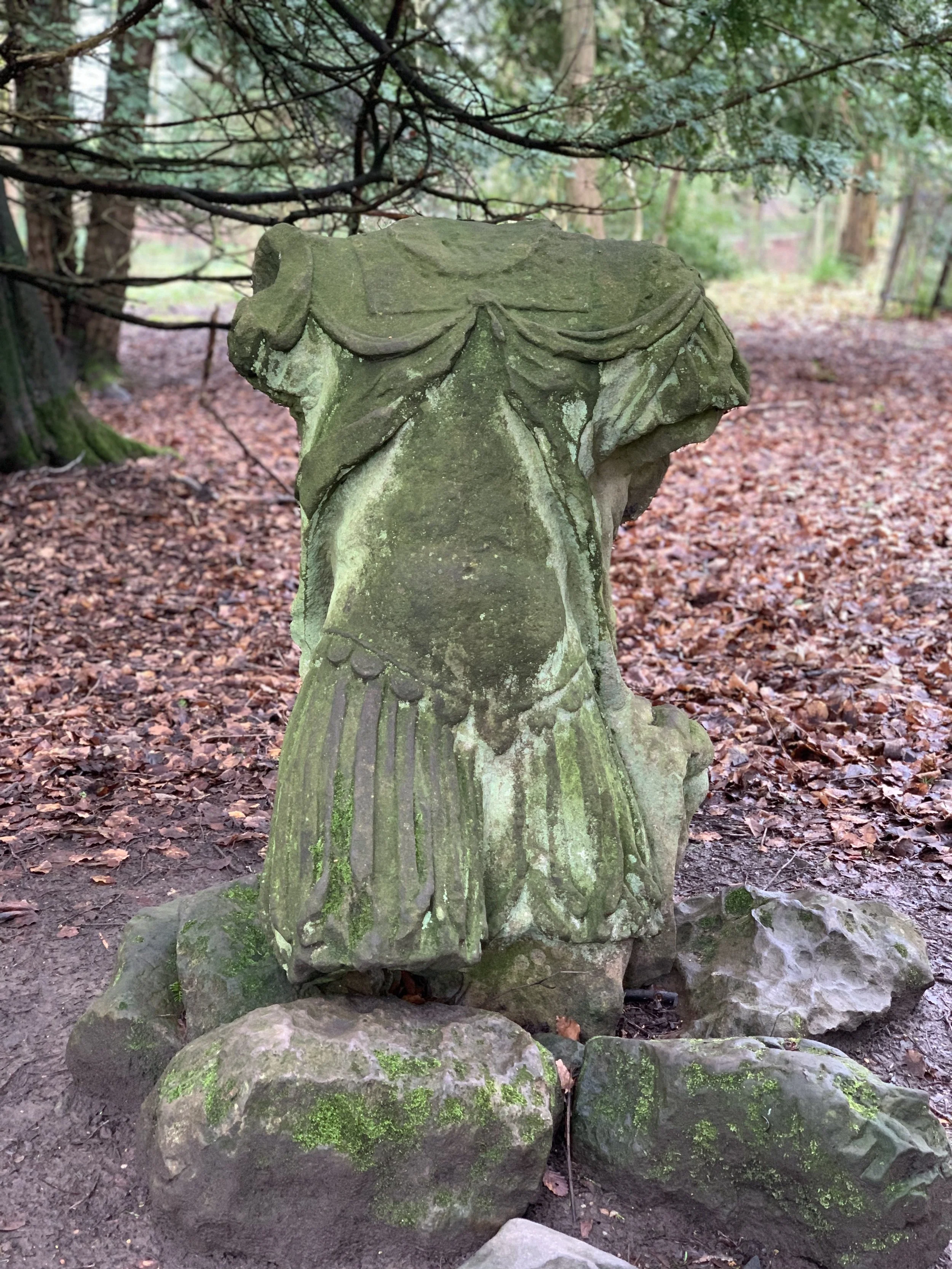
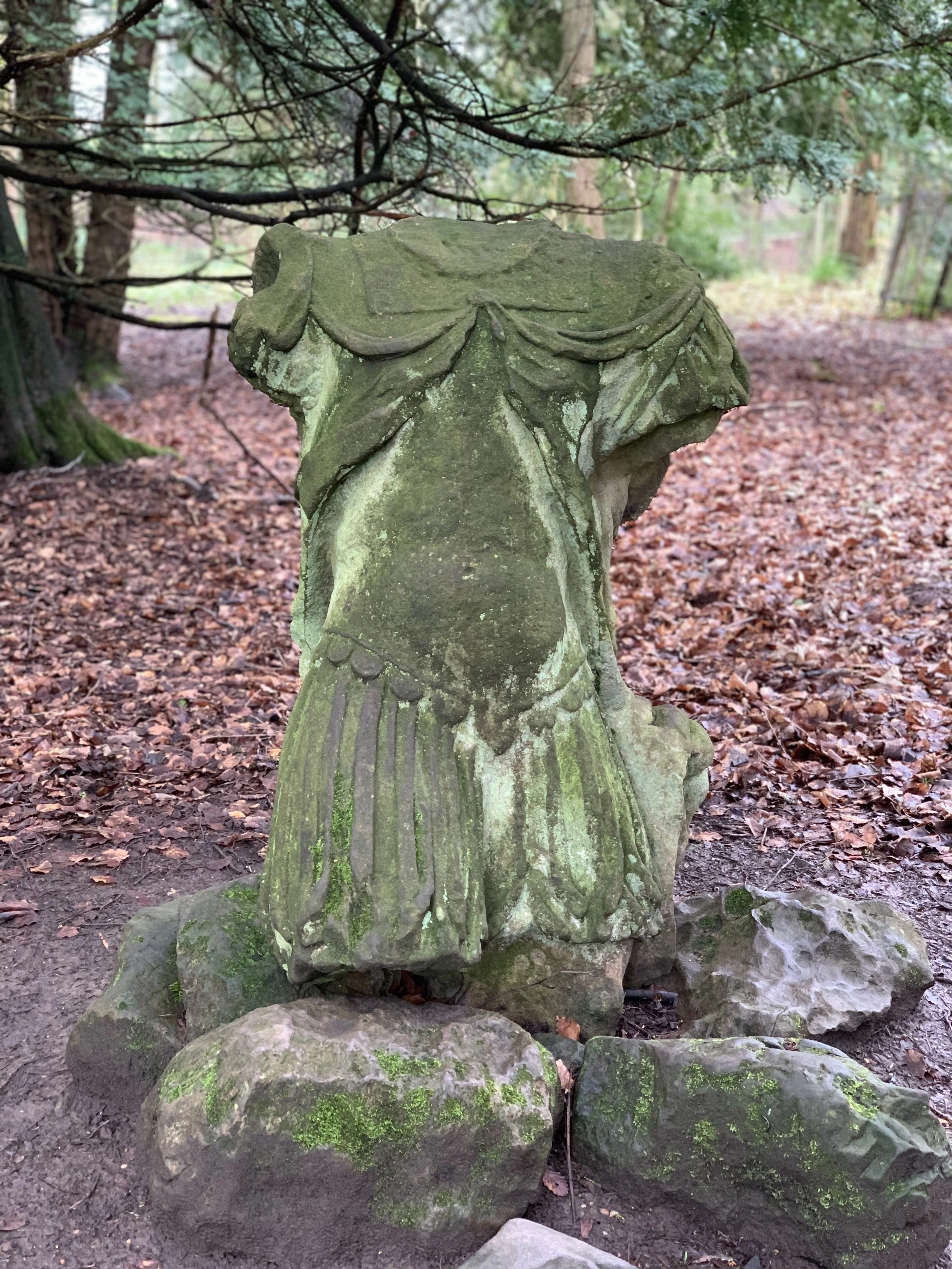
At the Classical statues
And imagines faraway figures
Classical in their flowing robes
and twisting turbans
Happy in their work and in their rest at
Beausejour, Belmont, Sagesse
Papa’s plantations have such pretty names
Seven plantations and more than a thousand slaves
All accounted for
In Classical columns of
Profit and loss
But ledgers don’t count
Fingers shatters and limbs lost
With the crush of the cane
The scars of whips, shackles and chains
The robbing of untold names
All such a pretty dowry for her beau…
Footnotes:
[1] ‘Beausejour’ translates as a beautiful stay.
The Reverend John Trevelyan (1735–1828) inherited seven sugar plantations in Grenada and around a thousand enslaved Africans, via his wife, Luisa Marianne Simond (https://www.hexham-courant.co.uk/news/18744497.country-house-links-slave-trade/). The family later received £34,000 (about £3 million in today’s money) in compensation for loss of human ‘property’ when African slavery was abolished in 1833 (https://www.bbc.co.uk/news/world-latin-america-61315877).
Contemporary depictions of the life and work of enslaved people on plantations were highly sanitised, as seen in ‘Ten Views in the Island of Antigua by Thomas Clay, 1823’ (https://collections.britishart.yale.edu/catalog/orbis:4515711). The names given to plantations, for example, ‘Beausejour’ (Beautiful Stay), ‘Belmont’ (Beautiful Mountain) and ‘Sagesse’ (Wisdom), those owned by the Trevelyans, belie the horrific realities of life in these places. For accounts of the production of sugar on plantations in the Caribbean and North America, see https://runaways.gla.ac.uk/minecraft/index.php/slaves-work-on-sugar-plantations/.
Enslaved people were also given Classical names, such as Hercules and Venus, by slave owners to dehumanise them and sanitise their relationships, see https://bcma.bowdoin.edu/antiquity/classical-names-and-concepts-used-in-the-service-of-slavery/#:~:text=Many%20enslaved%20men%20in%20the,Daphne%2C%20Dido%2C%20and%20Flora.
To access of a portrait of John and Louisa Trevelyan and their son and daughter see https://www.nationaltrustcollections.org.uk/object/584347.